The Stylist Whisperers: The Unsung Power Players Quietly Controlling Every Celebrity Moment You Think Is Spontaneous
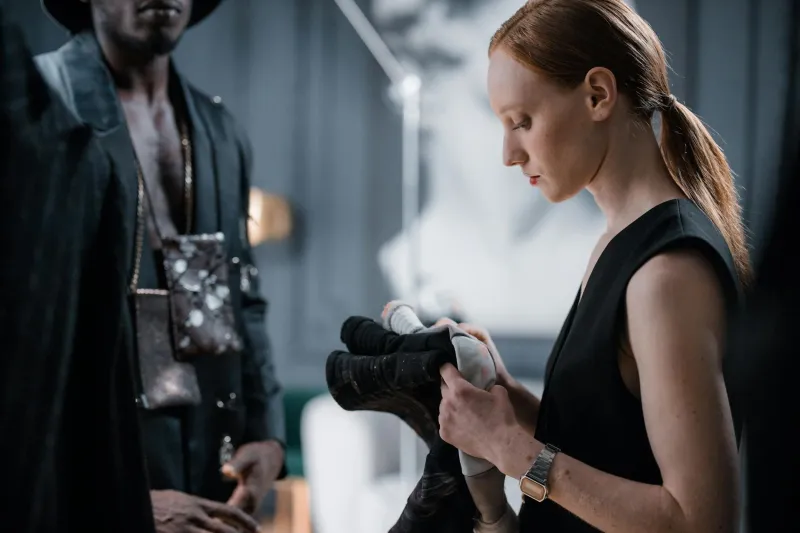
The Invisible Army Behind Every Look
That "effortless" airport outfit your favorite celebrity wore while dodging paparazzi? Planned three weeks in advance. The "casual" lunch ensemble that sparked a thousand Pinterest saves? Approved by committee. The courtroom blazer that somehow managed to convey both respectability and defiance? That was a $3,000 strategic decision disguised as business casual.
Welcome to the world of celebrity styling, where nothing is left to chance and every hemline carries a hidden message. While we've been busy analyzing red carpet looks and award show fashion, an entire industry of image architects has been quietly pulling strings behind the scenes, turning every public appearance into a calculated brand statement.
These aren't your grandmother's Hollywood stylists, the ones who simply made sure stars looked good for premieres. Today's celebrity stylists are part fashion expert, part brand strategist, part crisis manager, and part mind reader — and they wield more influence over public perception than most publicists.
From Fashion Police to Image Architects
The evolution of celebrity styling from "make them look pretty" to "control the entire narrative" happened gradually, then all at once. It started with stylists realizing that a single outfit could shift public opinion faster than a carefully crafted press statement. A strategic fashion choice could communicate humility, confidence, relatability, or untouchability without the celebrity ever having to say a word.
Consider the science behind a "casual" paparazzi shot. When a celebrity is photographed grabbing coffee, every element has been considered: the slightly oversized sweater that suggests they're comfortable in their own skin, the designer sneakers that maintain their aspirational status, the baseball cap that says "I'm just like you" while hiding any evidence of a professional blowout.
These stylists have become masters of visual storytelling, using clothing as a language that speaks directly to our subconscious. They understand that audiences will form an opinion about a celebrity's mood, intentions, and character within seconds of seeing a photo — and they dress accordingly.
The Court Date Costume Department
Perhaps nowhere is the strategic power of styling more evident than in legal proceedings. When celebrities face court appearances, their styling teams go into overdrive, crafting looks that could sway public opinion before a single word is spoken.
The formula is surprisingly consistent: muted colors that suggest seriousness and remorse, conservative cuts that imply respect for the institution, and subtle luxury details that maintain status without appearing tone-deaf. Hair is pulled back to suggest humility, makeup is minimal to convey sincerity, and accessories are chosen to tell a specific story about the celebrity's character.
Recent high-profile cases have shown us how effective this strategy can be. A celebrity arrives at court looking appropriately chastened in a navy blazer and pearls, and suddenly the narrative shifts from "entitled star" to "person taking responsibility." The outfit becomes part of the legal strategy, influencing not just public perception but potentially jury attitudes as well.
The Airport as Runway: When Transit Becomes Performance
Airport styling has become its own specialized field within celebrity image management. What should be the most casual, functional moments in a celebrity's life have been transformed into carefully orchestrated fashion moments that communicate everything from relationship status to career trajectory.
The "airport look" serves multiple strategic purposes. It shows celebrities as relatable (they fly commercial! they carry their own bags!), while maintaining their aspirational status through carefully chosen luxury items. It provides content for fashion blogs and social media, keeping the celebrity visible between official appearances. Most importantly, it allows for narrative control — a celebrity can signal major life changes, relationship developments, or career pivots simply through their choice of travel attire.
Stylists have developed an entire taxonomy of airport looks: the "I'm moving on" ensemble featuring fresh colors and confident silhouettes, the "relationship soft launch" outfit that includes subtle couple-y details, and the "I'm focusing on my career" look that's all sharp lines and power accessories.
The Psychology of Parasocial Styling
What makes modern celebrity styling so effective is how it exploits our psychological tendency to read meaning into clothing choices. Stylists have become amateur psychologists, understanding that audiences will project personality traits, emotional states, and moral qualities onto celebrities based on what they wear.
This has led to the rise of "relatability styling" — deliberately choosing pieces that make mega-wealthy celebrities appear more accessible to regular people. The $200 Target dress worn to a premiere, the drugstore sneakers paired with designer jeans, the "I shop my own closet" approach that suggests thriftiness and down-to-earth values.
But even relatability is strategic. These pieces are chosen not because the celebrity actually shops at Target, but because wearing Target creates a specific narrative about their values and personality. It's psychological manipulation disguised as fashion democracy.
The Crisis Wardrobe: Dressing for Damage Control
When celebrities find themselves in hot water, their styling team becomes part of the crisis management squad. Every public appearance during a controversy is an opportunity to communicate through clothing, and stylists have developed a sophisticated vocabulary of redemption fashion.
The crisis wardrobe typically includes pieces that suggest humility without weakness, accountability without defeat. Soft, touchable fabrics that make the celebrity appear more human. Classic cuts that suggest stability and trustworthiness. Muted colors that convey seriousness about the situation without appearing defeated.
Some stylists have built entire reputations on their ability to navigate celebrity crises through fashion. They understand that the right outfit can buy their client goodwill, shift focus away from negative headlines, and begin the process of image rehabilitation before any official statements are made.
The Business Behind the Looks
What most people don't realize is that celebrity styling has become a multi-billion dollar industry that extends far beyond individual fashion choices. Stylists negotiate product placement deals, coordinate with brands for mutual promotion, and often take percentages of the sales generated by their styling choices.
When a celebrity wears a specific designer to a high-profile event, it's rarely just because they liked how it looked. There are contracts involved, promotional commitments, and sometimes direct payment arrangements. The styling choice becomes a business transaction disguised as personal expression.
This commercialization has changed the entire dynamic of celebrity fashion. What appears to be authentic personal style is often a carefully orchestrated marketing campaign involving multiple brands, agencies, and financial arrangements. The celebrity becomes a living billboard, but one styled so expertly that audiences don't notice the advertising.
The Future of Image Control
As social media continues to collapse the distance between celebrities and audiences, styling has become even more crucial for image management. Every Instagram post, every paparazzi shot, every public appearance is an opportunity to communicate through fashion — and stylists are the ones controlling that communication.
We're entering an era where celebrity stylists have more influence over public perception than traditional publicists or managers. They're the ones crafting the visual narrative that audiences consume, and they're getting better at it every day.
The next time you see a celebrity looking "effortlessly" put-together in what appears to be a candid moment, remember: there's an entire team of people whose job it is to make sure you see exactly what they want you to see, and nothing is ever as spontaneous as it appears.