The Dress Didn't Just Happen: What Your Favorite Red Carpet Moment Is Actually Selling You
The Dress Didn't Just Happen: What Your Favorite Red Carpet Moment Is Actually Selling You
Every year, without fail, the internet loses its collective mind over a single outfit. A sheer gown. An architectural nightmare. A vintage archive look that somehow fits perfectly. Someone shows up at the Oscars or the Grammys or the Met Gala and within forty-five minutes, fashion critics are typing in all caps, Twitter has produced seventeen memes, and your group chat is asking but who made it? It feels spontaneous. Electric. Like genuine self-expression caught on camera.
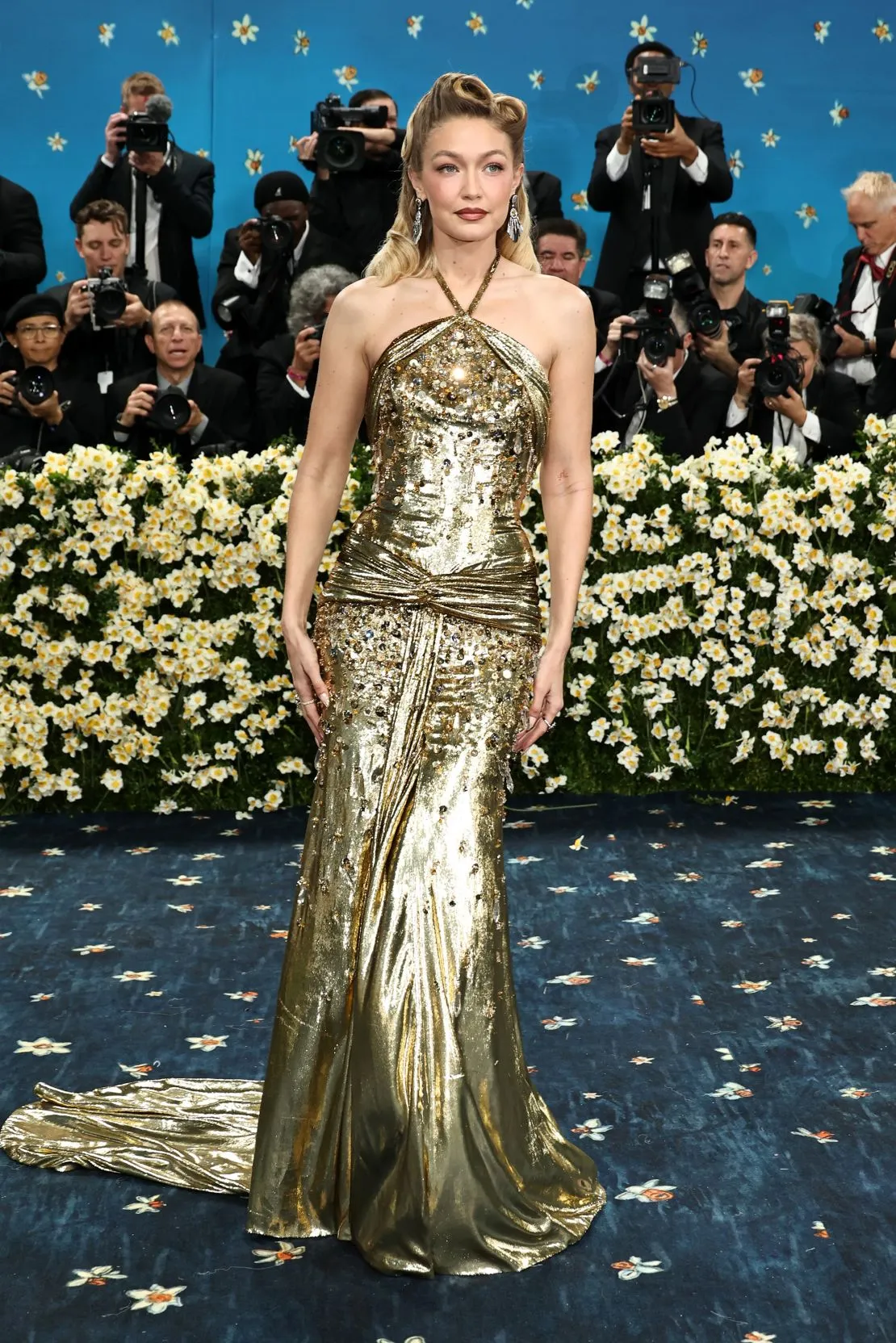 Photo: Met Gala, via media.cnn.com
It is almost never any of those things.
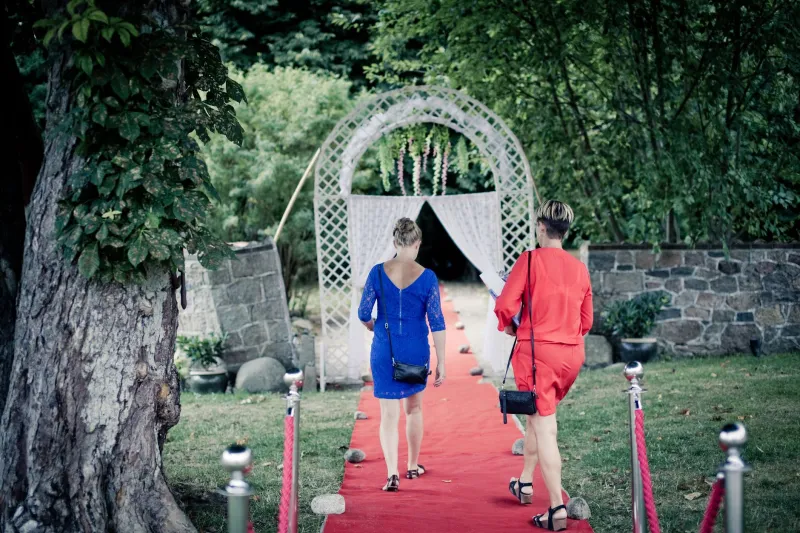
The red carpet — that velvet-roped stretch of real estate that precedes every major awards show — is one of the most expensive, most calculated, and most deliberately misunderstood stages in modern celebrity culture. What looks like fashion is actually a 48-hour media cycle, pre-planned down to the earring choice. And once you see the machinery behind it, you cannot unsee it.
The Fitting Room Is a Boardroom
Let's start at the beginning: the dress itself. The popular image of a celebrity flipping through a rack of couture and squealing this one is, to put it charitably, a fairy tale. In reality, the process of landing a major red carpet look is closer to a corporate procurement negotiation than a shopping trip.
Designer houses — particularly the major European couture brands — approach awards season like a marketing campaign, because that's exactly what it is. Being worn by the right person at the right event can translate into hundreds of millions of dollars in earned media. A single Oscars moment can do more for a label than a full year of runway shows. So the brands aren't just offering dresses. They're offering deals.
According to longtime fashion industry insiders, arrangements between celebrity stylists and designer houses routinely include financial compensation, gifted pieces, exclusive access for future seasons, and sometimes co-branded social media obligations that kick in the moment the look hits the step-and-repeat. The celebrity's stylist — the real power player in this ecosystem — brokers these arrangements, often managing relationships with multiple houses simultaneously and playing them against each other for the best terms.
The celebrity, in many cases, is the last person in the room to actually weigh in.
The Stylist Is the Strategy
If you want to understand red carpet fashion, stop looking at the celebrities and start looking at who dresses them. A-list stylists like Law Roach, Erin Walsh, and Jason Bolden don't just pick pretty clothes — they architect entire public image pivots, one look at a time.
Consider how deliberately a stylist-driven wardrobe shift can reframe a celebrity's entire narrative. An actress trying to shake a rom-com reputation shows up at the Met Gala in deconstructed avant-garde Comme des Garçons. A rapper pivoting toward mainstream credibility wears a bespoke Tom Ford tuxedo to the Grammys. A pop star in the middle of a very public personal reinvention debuts a shaved head — or, more precisely, debuts a look so visually arresting that it dominates the conversation for days and conveniently buries whatever story was circulating the week before.
That last part is not a coincidence. The timing of a major fashion moment relative to a celebrity's news cycle is almost always intentional. Red carpet appearances are scheduled. The looks are locked weeks in advance. If a scandal breaks and there happens to be an awards show on the calendar, a stylist worth their day rate is already on the phone with a designer, recalibrating.
The Political Dress Is Also a Press Release
Then there's the statement look — the outfit that arrives pre-loaded with a message. The suffragette white worn at a politically charged ceremony. The name or cause embroidered into a hem. The ribbon pinned to a lapel. These moments are genuinely meaningful, and it would be reductive to dismiss them entirely. But it would be equally naive to pretend they aren't also coordinated.
Celebrity publicists and awards campaign teams — yes, there are entire teams dedicated to managing a performer's awards season narrative — are acutely aware that a political fashion moment can do triple duty: it signals values to a particular audience, generates press coverage that isn't just about the project being promoted, and insulates the celebrity from criticism that they're being frivolous at a moment of cultural gravity.
The look becomes a talking point. The talking point becomes a headline. The headline feeds the awards campaign. It's a closed loop, and fashion is the ignition.
The Step-and-Repeat Is Staged, Too
Here's the detail that tends to break people's brains: the positioning on the red carpet itself is not random. Who stands next to whom, who arrives at the same time as whom, which celebrity pauses in front of which sponsor backdrop — all of it is managed. Publicists coordinate arrivals. Studios arrange for their nominated talent to cluster. Feuding celebrities are kept on opposite ends of the carpet with the precision of a seating chart at a very expensive, very televised wedding.
Even the candid moments — the laugh caught mid-turn, the surprised expression when someone calls your name — are practiced. Not necessarily scripted, but rehearsed enough that a veteran celebrity knows exactly which angle flatters the gown and exactly how long to hold a pose before it stops looking effortless.
So Does Any of It Mean Anything?
Here's the thing: knowing all of this doesn't have to ruin it. Fashion has always been performance. The red carpet has always been theater. The fact that the theater is more produced than it appears doesn't make the spectacle less spectacular — it just makes it more honest to call it what it is.
The looks that genuinely break through — the ones that still get referenced years later — tend to be the ones where the calculation and the authenticity somehow aligned. Where the strategic choice happened to also be the true one. Those moments exist. They're just rarer than the carpet would have you believe.
The next time a look stops you mid-scroll, by all means, appreciate it. Screenshot it. Send it to the group chat. Just know that somewhere, a stylist is already checking the press coverage, a designer is already updating their website, and a publicist is already deciding which interview their client will use to explain what the outfit really meant.
Because on the red carpet, the fashion is always the second story — and the first one was written weeks ago.