Exit Stage Left: Why Hollywood's Biggest Stars Are Quitting Their Own Franchises Before the Franchise Can Quit Them

Exit Stage Left: Why Hollywood's Biggest Stars Are Quitting Their Own Franchises Before the Franchise Can Quit Them
There is a moment in every blockbuster franchise — usually somewhere around the third sequel, occasionally as early as the second — when the star looks at the greenscreen, looks at the paycheck, looks at the next five years of contractual obligations, and makes a very quiet, very expensive calculation.
Do I leave now, on my own terms, while people still want more of me? Or do I stay until the audience doesn't?
Increasingly, the answer is: I leave. I leave loudly enough to generate a farewell press cycle, quietly enough to suggest it was always the plan, and strategically enough that the departure reads as artistic integrity rather than a reading of the box office tea leaves.
Welcome to the graceful exit era. Population: growing.
The Franchise Trap, Explained
For roughly two decades, landing the lead in a major franchise — Marvel, DC, a YA adaptation, a legacy sequel — was considered the ultimate career achievement. The money was generational. The visibility was global. The action figure was a thing that existed with your face on it.
But the deal came with terms that nobody fully read until they were already signed. Multi-picture contracts that locked talent into projects they hadn't seen scripts for. Sequel commitments tied to box office performance thresholds that could extend indefinitely. A public identity so thoroughly fused with a fictional character that the actor underneath started to disappear.
And then there was audience fatigue — the slow, grinding realization that superhero movies and franchise sequels were beginning to cannibalize themselves, with each new installment performing slightly less spectacularly than the last, and the star absorbing the reputational damage of diminishing returns they had no creative control over.
The math changed. And the exits started.
The Stars Who Got Out Early — and What Happened Next
The template for the strategic franchise departure was arguably set by actors who walked away from long-running series at the height of their cultural relevance, betting that the audience's appetite for them was larger than their appetite for the character. Sometimes, that bet paid off spectacularly.
Daniel Craig's departure from the Bond franchise after No Time to Die is the case study everyone in Hollywood is quietly referencing right now. He stayed long enough to rehabilitate the role, deliver a critically acclaimed final chapter, and exit on an emotional high note that generated more goodwill than any number of additional sequels would have. He controlled the ending. The character didn't control him.
 Photo: Daniel Craig, via static1.srcdn.com
Robert Downey Jr.'s arc as Iron Man is perhaps the most discussed example of franchise longevity done correctly — but even that story ended with a death scene, which is its own form of controlled exit. Nobody could recast him. Nobody could diminish what he built. He closed the loop himself.
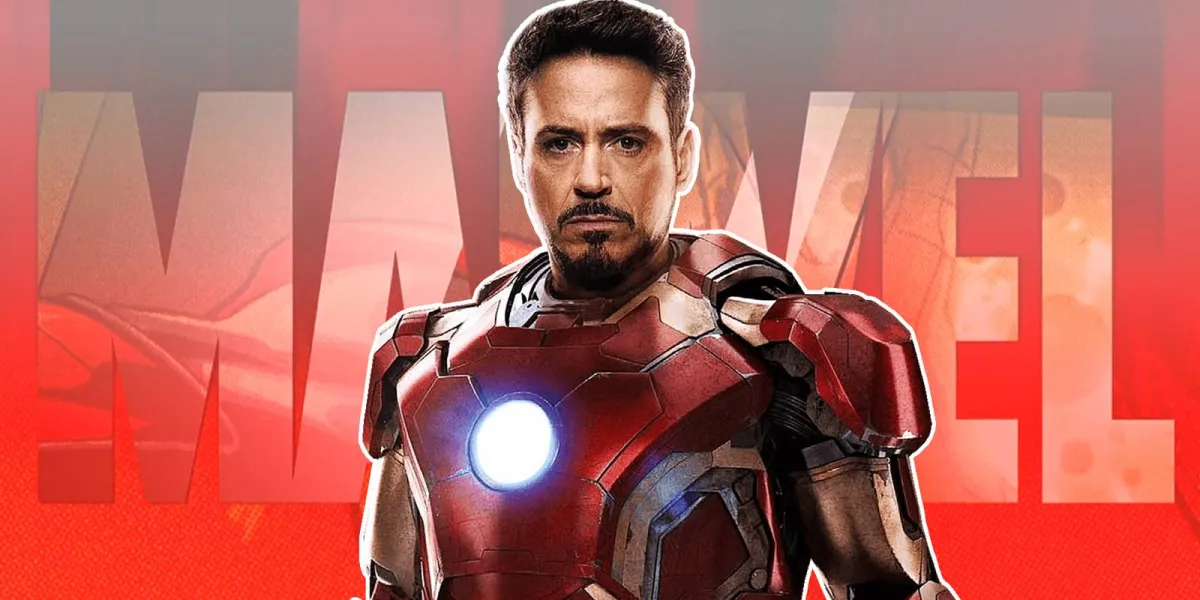 Photo: Robert Downey Jr., via static0.cbrimages.com
The counterexamples are equally instructive. Stars who stayed past the point of cultural enthusiasm, who watched their franchise decline in real time, who became associated in the public consciousness with a property that had stopped being cool — these are the cautionary tales that are quietly driving the current wave of early departures. Their names are known. Their situations are studied in management meetings.
The Current Exodus
Right now, Hollywood is processing a notable cluster of franchise exits, some confirmed, some heavily rumored, all generating the kind of industry conversation that suggests a genuine structural shift is underway.
The superhero genre — which functioned as a near-infallible career stabilizer for most of the 2010s — is experiencing what analysts and trades have been diplomatically calling 'audience recalibration.' What that means in practice is that not every Marvel or DC film is a guaranteed cultural event anymore, and the stars attached to underperforming entries are reassessing their positions with increasing urgency.
Several prominent actors have either confirmed they're done with their respective universes or have given interviews so carefully worded that the subtext is unmistakable. The language of the graceful exit is specific: 'It felt like the right time.' 'I'm proud of what we built.' 'I'm excited to explore other things.' Translation, industry-wide: my team ran the numbers and this is the move.
The Gamble That Doesn't Always Pay
Here's the uncomfortable truth that the graceful exit narrative tends to gloss over: walking away from a franchise does not automatically guarantee what comes next.
For every actor who successfully shed their franchise identity and built a compelling second act — dramatic roles, prestige television, awards campaigns — there are several who discovered that the franchise was the career, and without it, the phone got quieter than expected.
Streaming has complicated this further. The prestige drama that was supposed to signal a star's arrival as a serious actor now often disappears into an algorithmic void, generating critical praise but minimal cultural footprint. The awards campaign that was supposed to reintroduce the actor to serious audiences sometimes fails to gain traction against competitors who never needed reintroducing in the first place.
The exit works best, industry observers note, when the actor has been doing the groundwork — smaller films, interesting collaborations, strategic festival appearances — while still inside the franchise. The ones who coasted on the franchise until the exit and then expected the industry to welcome them as newly liberated artists tend to find the transition considerably bumpier.
The Ones Currently on the Edge
Without getting into specifics that would require a legal team to vet, there are at least four or five major franchise players whose current contract situations, recent interview tones, and very deliberate public positioning suggest that graceful exit announcements are coming within the next twelve to eighteen months.
The tells are consistent: a slightly more reflective interview register, an increased willingness to discuss the 'challenges' of long-term franchise work, a new independent project announced with conspicuous enthusiasm. These are not subtle signals. Hollywood is a town where the subtext is usually the text.
What the Smart Money Says
The actors who have navigated this transition most successfully share a few common traits. They left before the audience had a chance to want them to leave. They had a clear next project ready to announce, so the exit story and the 'what's next' story ran simultaneously. And they expressed genuine gratitude for the franchise without being so effusive about it that the exit read as an apology.
The ones who stumbled tended to either leave too late — after the box office had already delivered the verdict — or too early, before the public had fully invested in them as a draw outside the franchise context.
Timing, as with most things in Hollywood, is everything.
The next major franchise exit is probably already in a lawyer's inbox — the only question is whose, and whether the next chapter is already written.