The Stealth Empire Builders: How A-Listers Launch Billion-Dollar Businesses While We're Distracted by Their Drama
The Stealth Empire Builders: How A-Listers Launch Billion-Dollar Businesses While We're Distracted by Their Drama
While the entertainment press was busy dissecting every Instagram story and paparazzi photo, Rihanna quietly built a beauty empire worth $1.7 billion. While tabloids chased Ryan Reynolds' Twitter feuds with Hugh Jackman, he was orchestrating the $610 million sale of Aviation Gin. And while we were all arguing about whether Taylor Swift's re-recorded albums were petty or powerful, she was securing master ownership deals that redefined how artists control their catalogs.
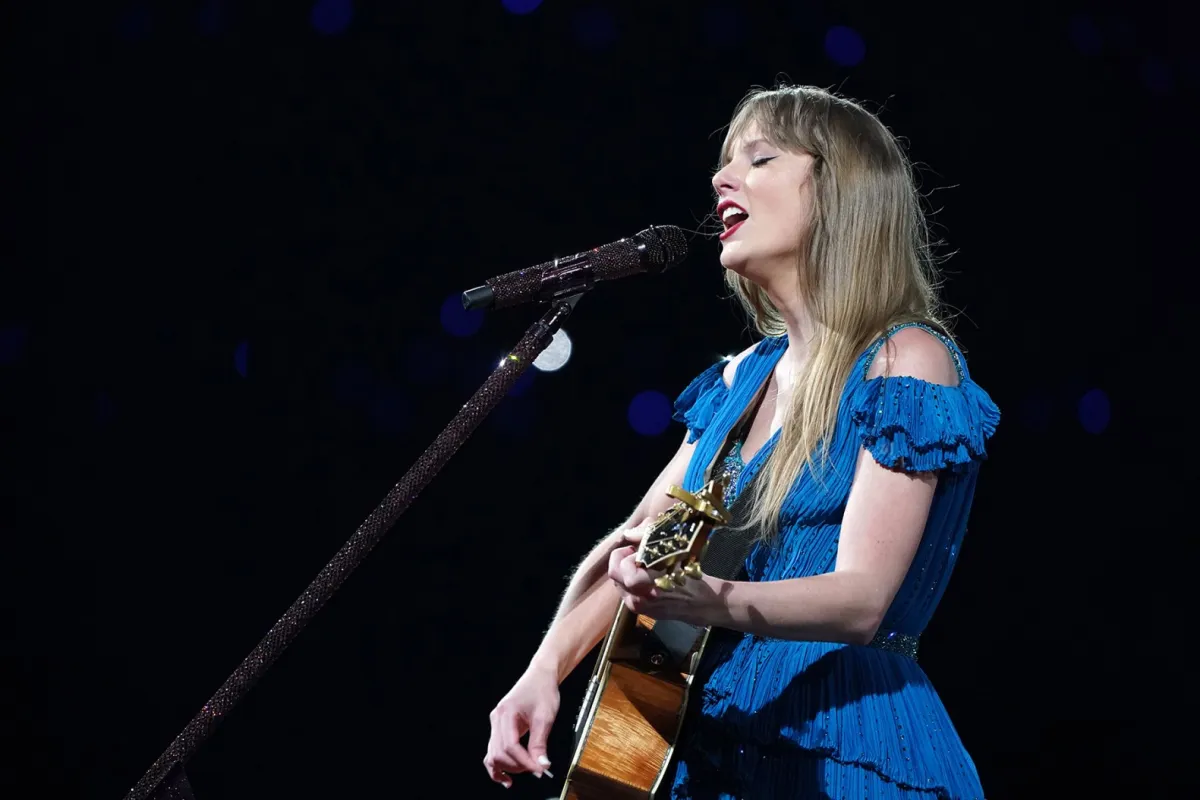 Photo: Taylor Swift, via www.rollingstone.com
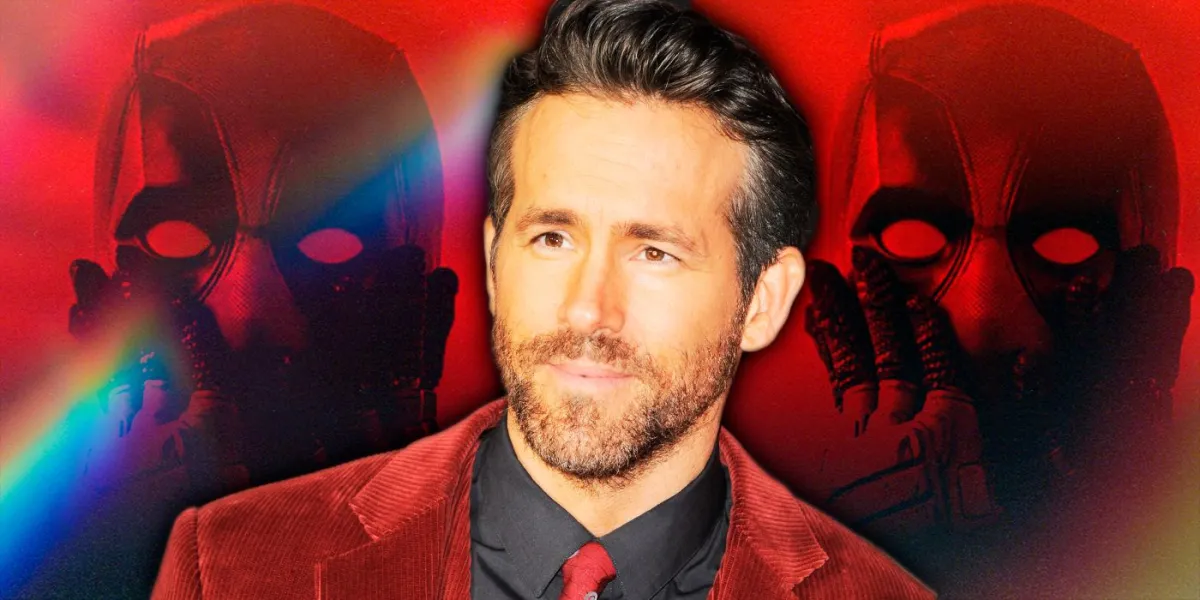 Photo: Ryan Reynolds, via static1.cbrimages.com
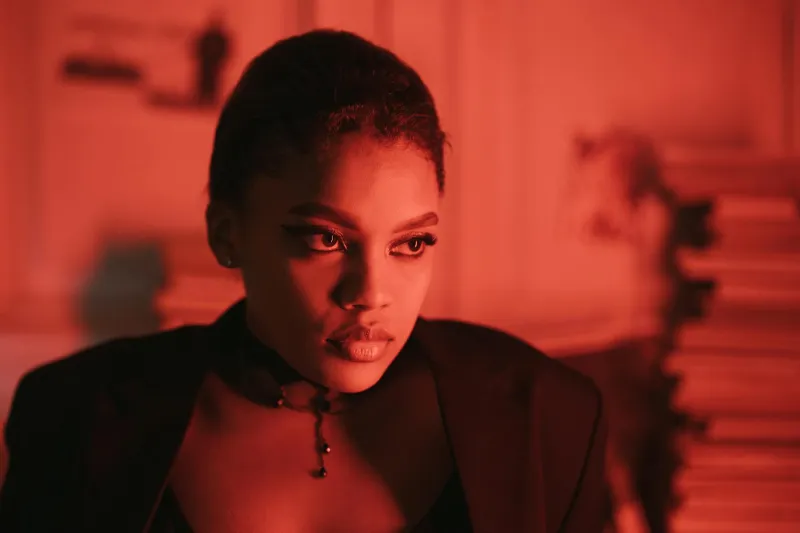
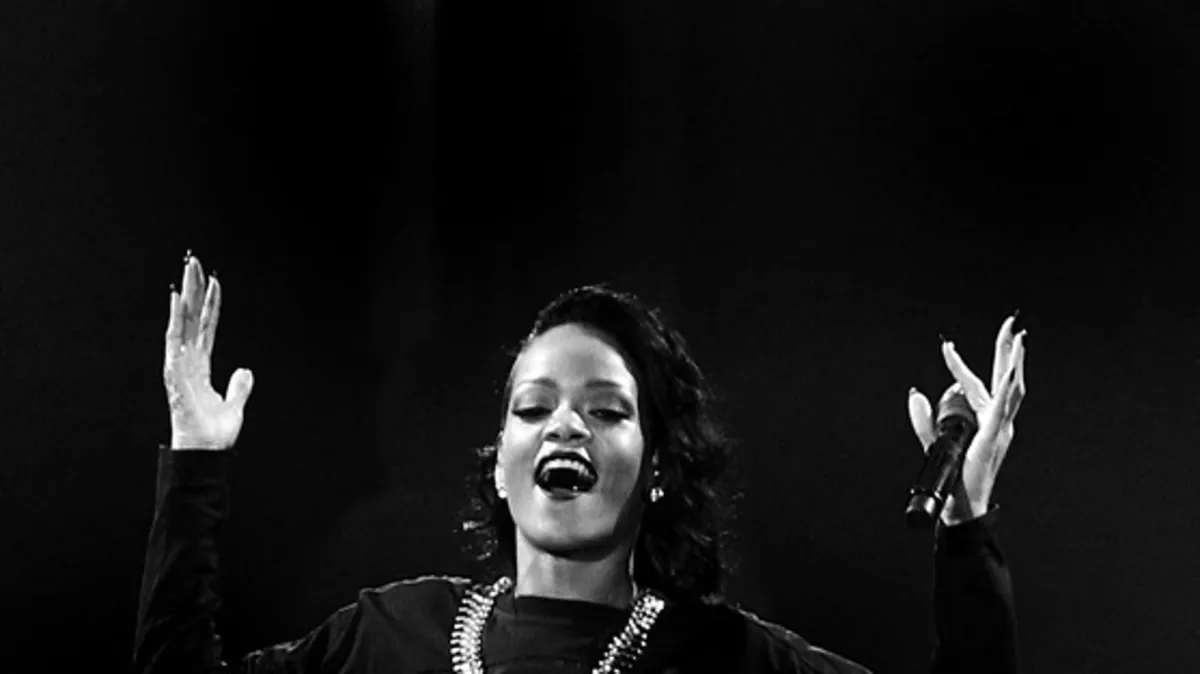 Photo: Rihanna, via imagez.tmz.com
Welcome to Hollywood's best-kept secret: the art of the distraction pivot, where A-listers use personal chaos as cover for building business empires that make their entertainment careers look like expensive hobbies.
The Rihanna Blueprint: How to Build an Empire in Plain Sight
Fenty Beauty didn't launch during Rihanna's peak music moment — it launched in 2017, when her last album was four years behind her and critics were wondering if she'd ever return to music. While entertainment journalists speculated about her next single, she was revolutionizing an entire industry with 40 foundation shades that made competitors scramble to catch up.
The timing wasn't coincidental. "When you're not the hottest thing in music, suddenly you have space to be the smartest thing in business," explains entertainment business analyst Sarah Chen. "The press attention shifts from scrutinizing every move to giving you room to actually make moves."
Savage X Fenty followed the same playbook — launched not during album promotion cycles, but during the quiet periods when Rihanna could focus on building infrastructure instead of managing headlines.
The Reynolds Strategy: Making Millions While Making Jokes
Ryan Reynolds perfected the art of hiding billion-dollar business moves behind carefully crafted chaos. His social media presence — full of self-deprecating jokes and manufactured beef with fellow actors — functions as the perfect smokescreen for serious dealmaking.
While fans were entertained by his Twitter wars and Deadpool marketing stunts, Reynolds was quietly building an investment portfolio that includes Aviation Gin (sold for $610 million), Mint Mobile (sold for $1.35 billion), and stakes in multiple tech companies. His "aw shucks, I'm just a regular guy" persona provides perfect cover for moves that would make Wall Street executives jealous.
"Reynolds has mastered the art of being famous for being funny while being rich for being smart," notes Hollywood business reporter Marcus Webb. "The jokes get the headlines, but the equity deals get the real money."
The Swift Doctrine: Turning Drama Into Ownership
Taylor Swift's re-recording project exemplifies how personal drama can become the perfect cover for revolutionary business strategy. While the media focused on the emotional narrative of reclaiming her masters from Scooter Braun, the real story was Swift pioneering a new model of artist ownership that's reshaping the entire music industry.
The "Taylor's Version" releases weren't just about revenge — they were about proving that established artists could successfully devalue their old catalogs while building new revenue streams entirely under their control. Other artists are now following the Swift playbook, using their own label disputes as launching pads for independence.
The Distraction Economy
This pattern extends far beyond music and movies. Jessica Alba built The Honest Company into a billion-dollar valuation while tabloids focused on her transition away from acting. Gwyneth Paltrow transformed from Oscar winner to wellness mogul while everyone was busy mocking Goop's more outrageous products — missing that the "ridiculous" jade eggs were subsidizing a legitimate lifestyle empire.
Even newer stars are catching on. Selena Gomez launched Rare Beauty not during her peak Disney fame, but during periods of personal struggle that kept entertainment reporters focused on her health rather than her business acumen. The brand is now valued at over $2 billion.
The New Hollywood Hierarchy
What's emerging is a two-tier system where traditional entertainment success — hit movies, chart-topping albums, awards recognition — increasingly functions as a loss leader for the real business: building brands, securing equity, and creating generational wealth that doesn't depend on staying young, relevant, or controversy-free.
"The smartest celebrities have realized that fame is temporary but equity is forever," explains entertainment finance expert David Park. "They're using their peak visibility to build businesses that will outlast their moment in the spotlight."
This shift explains why so many A-listers seem surprisingly unbothered by career "setbacks" that would have devastated previous generations of stars. When your beauty brand is worth more than your entire film career, a box office flop becomes just another Tuesday.
The Publicist Paradox
Perhaps most tellingly, many of these business moves happen with minimal involvement from traditional Hollywood publicists, who are trained to manage entertainment careers, not diversified business portfolios. The result is a growing disconnect between what the entertainment press covers and where the real power — and money — actually flows.
While publicists work overtime to manage red carpet moments and award season campaigns, their clients are quietly building empires that make traditional Hollywood success metrics look quaint. The future belongs to celebrities who understand that the best business moves happen when no one's watching — or when everyone's watching the wrong thing entirely.
In Hollywood's new economy, the biggest stars aren't just playing characters — they're playing the long game, and they're winning it one "distraction" at a time.