The Understated Ultimatum: Why Celebrities Are Quietly Firing Their Publicists — And Becoming Their Own PR Departments
The memo went out sometime around 2020, whispered between Hollywood Hills dinner parties and passed along through encrypted Signal threads: traditional publicists were officially out. Not just out of fashion — out of jobs. Because suddenly, everyone from pop superstars to Oscar winners decided they could handle their own image management, thank you very much.
The Great PR Purge
It started quietly. A few A-listers began posting their own Instagram captions instead of letting their teams craft them. Then came the unfiltered podcast appearances, the surprise album announcements, and the Twitter meltdowns that no crisis manager could have prevented because, well, there was no crisis manager in the room.
Taylor Swift arguably pioneered this shift when she started dropping albums with zero traditional press rollout, communicating directly with fans through cryptic social media posts and handwritten letters. Suddenly, the entire music industry was scrambling to figure out how she'd managed to generate more buzz with a single Instagram story than most artists get from a full-scale PR campaign.
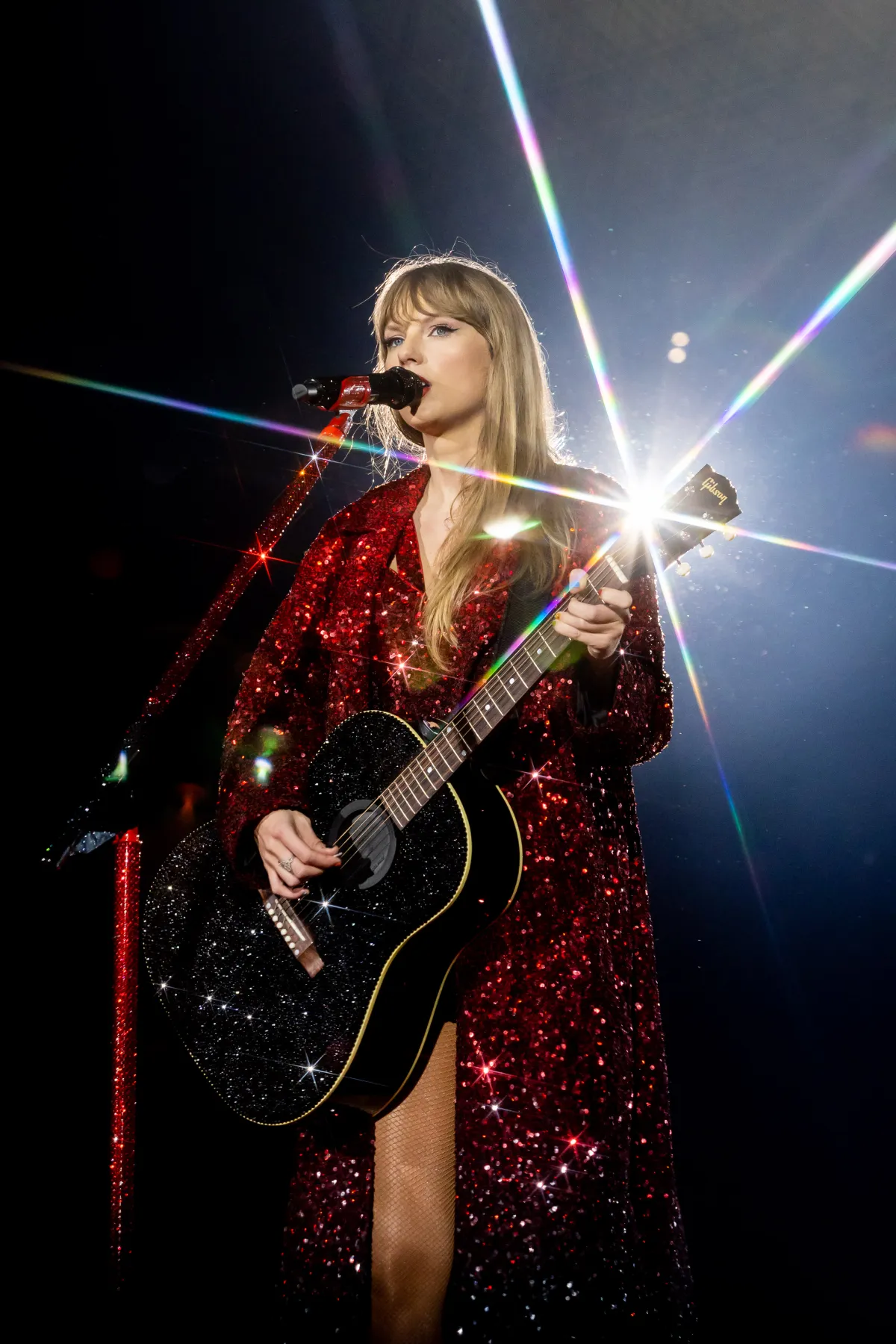 Photo: Taylor Swift, via pagesix.com
But Swift had something most celebrities lack: an almost supernatural understanding of her own brand and an army of fans who treat her every move like scripture. For everyone else trying to replicate her success, the results have been... mixed.
When DIY Goes Wrong
Take Kanye West, who famously fired his entire PR team in 2022 and proceeded to torch every bridge in Hollywood via a series of increasingly unhinged social media rants. Without professional handlers to step in, what might have been contained as private grievances became public spectacles that cost him lucrative partnerships and left his career in tatters.
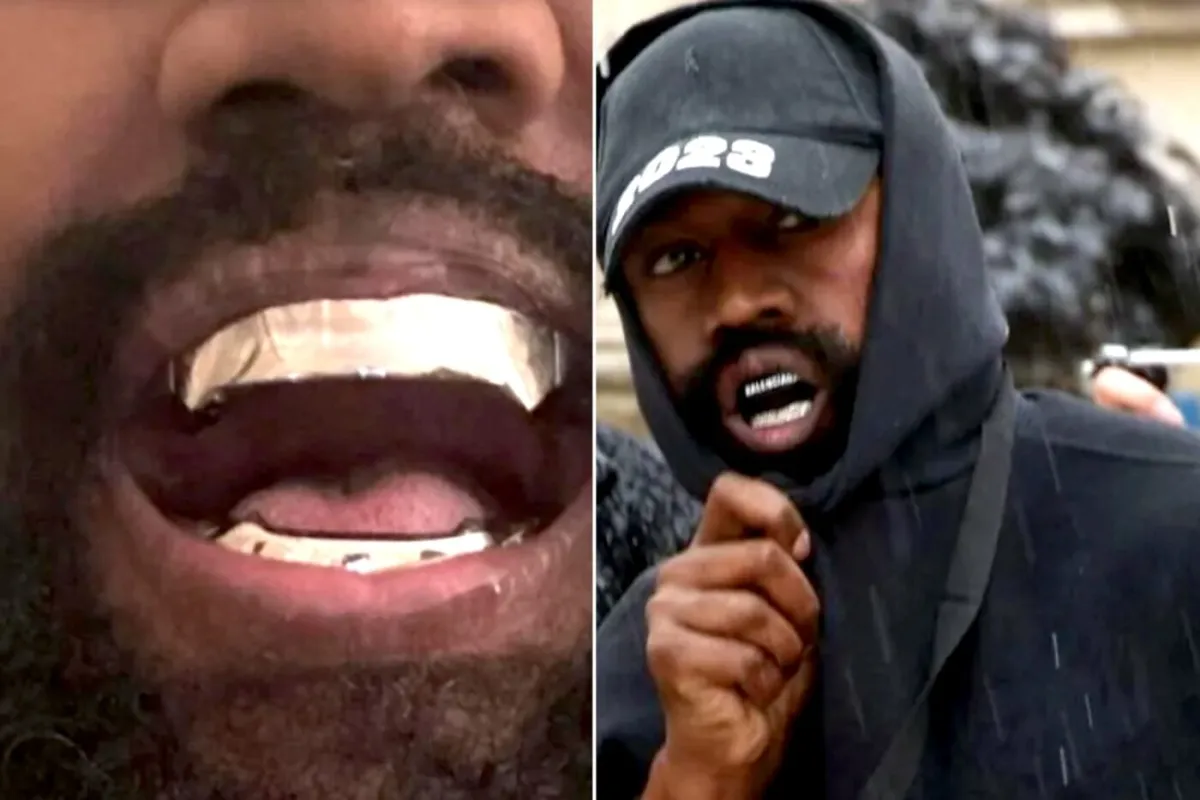 Photo: Kanye West, via www.dmarge.com
Or consider the parade of celebrities who've launched personal newsletters and podcasts, convinced they could bypass traditional media entirely. While some, like Gwyneth Paltrow with Goop, have successfully monetized their direct-to-fan communication, others have discovered that having something to say and knowing how to say it are two very different skills.
The problem isn't just that celebrities are bad at PR — it's that they're often the worst judges of their own public perception. When you're surrounded by people who depend on you for their paychecks, getting honest feedback about whether your latest Instagram caption makes you sound relatable or completely unhinged becomes nearly impossible.
The Control Freaks Are Taking Over
But here's what's really driving this trend: control. In an era where a single tweet can derail a career and where traditional media feels increasingly irrelevant to younger audiences, celebrities want to own their narrative completely. No more playing telephone through publicists who might soften their message or journalists who might take their quotes out of context.
The pandemic accelerated this shift dramatically. When red carpet events disappeared and traditional press opportunities dried up, celebrities had to find new ways to stay visible. Social media became their lifeline, and many discovered they preferred the immediate feedback loop of direct fan engagement to the slow, filtered process of traditional PR.
Some have genuinely thrived in this environment. Ryan Reynolds has turned his Twitter account into a masterclass in brand building, using his self-deprecating humor to promote everything from his gin company to his soccer team. His success comes from understanding that authenticity isn't about sharing everything — it's about being consistently, recognizably yourself.
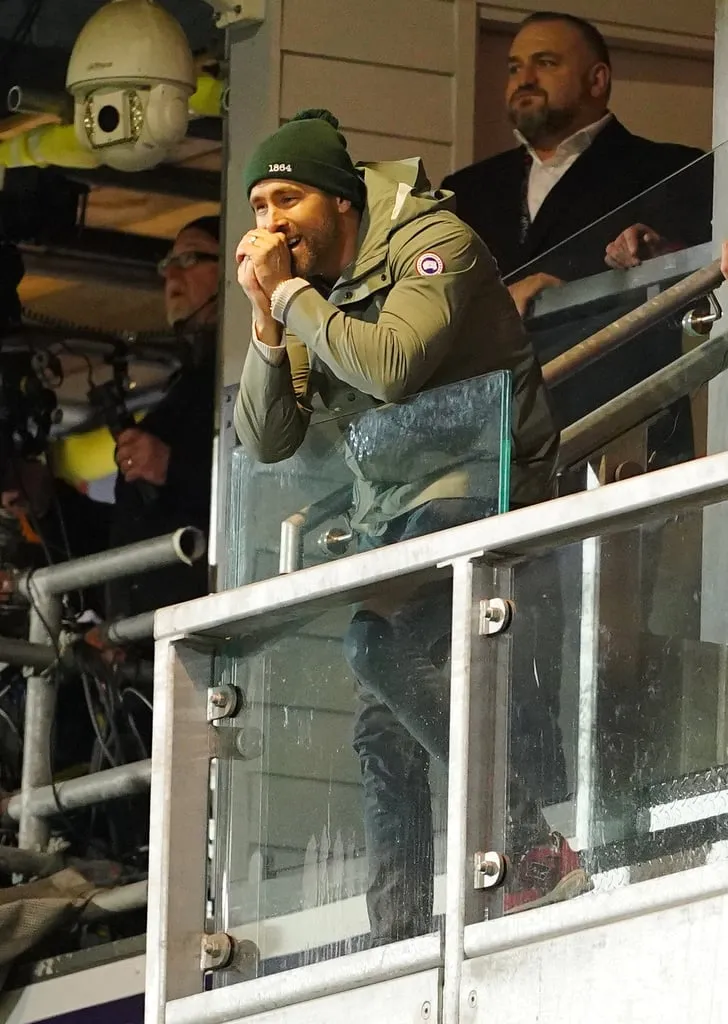 Photo: Ryan Reynolds, via media1.popsugar-assets.com
The New Rules of the Game
What we're witnessing isn't just celebrities firing their publicists — it's the complete restructuring of how fame works in the digital age. The old model relied on gatekeepers: publicists who controlled access, journalists who controlled narratives, and studios who controlled careers. Now, with a smartphone and a decent Wi-Fi connection, anyone can broadcast directly to millions of followers.
But this democratization comes with risks. Professional publicists don't just write press releases — they serve as a buffer between celebrities and their worst impulses. They're the ones who say "maybe don't post that at 3 AM" or "perhaps we should think about how this will be perceived." Without that layer of protection, we're seeing more celebrities implode in public than ever before.
The smart ones are finding a middle ground. They're keeping smaller, more specialized teams focused on crisis management and legal issues while handling day-to-day communication themselves. It's a hybrid model that maintains some professional oversight while preserving the authenticity that modern audiences crave.
The Authenticity Trap
Here's the dirty secret about the DIY PR movement: it's not really about authenticity at all. It's about a different kind of performance — one where celebrities get to play the role of "just like us" while maintaining complete control over how that relatability is packaged and sold.
When a celebrity posts an "unfiltered" selfie or shares a "candid" moment from their daily life, they're still making calculated decisions about their image. The difference is that now they're the ones doing the calculating, which feels more authentic to audiences even when it's just as manufactured as traditional PR.
This shift reflects a broader cultural moment where audiences have become sophisticated enough to see through traditional marketing but still crave the illusion of genuine connection. Celebrities who can master this balance — offering real insight while maintaining their mystique — are the ones who'll thrive in this new landscape.
The question isn't whether celebrities should fire their publicists — it's whether they have the skills, judgment, and self-control to replace them effectively, because in the age of cancel culture and viral moments, one unfiltered thought can cost millions.