The Residency Trap: How Las Vegas Became the Place Where Pop Careers Either Get a Second Life or Quietly Go to Die

Las Vegas has always been America's most honest city — a place where the house always wins and everyone knows it. So it makes perfect sense that it's become the ultimate truth-teller for celebrity careers, where the difference between a triumphant renaissance and a graceful retirement is often just a matter of marketing spin.
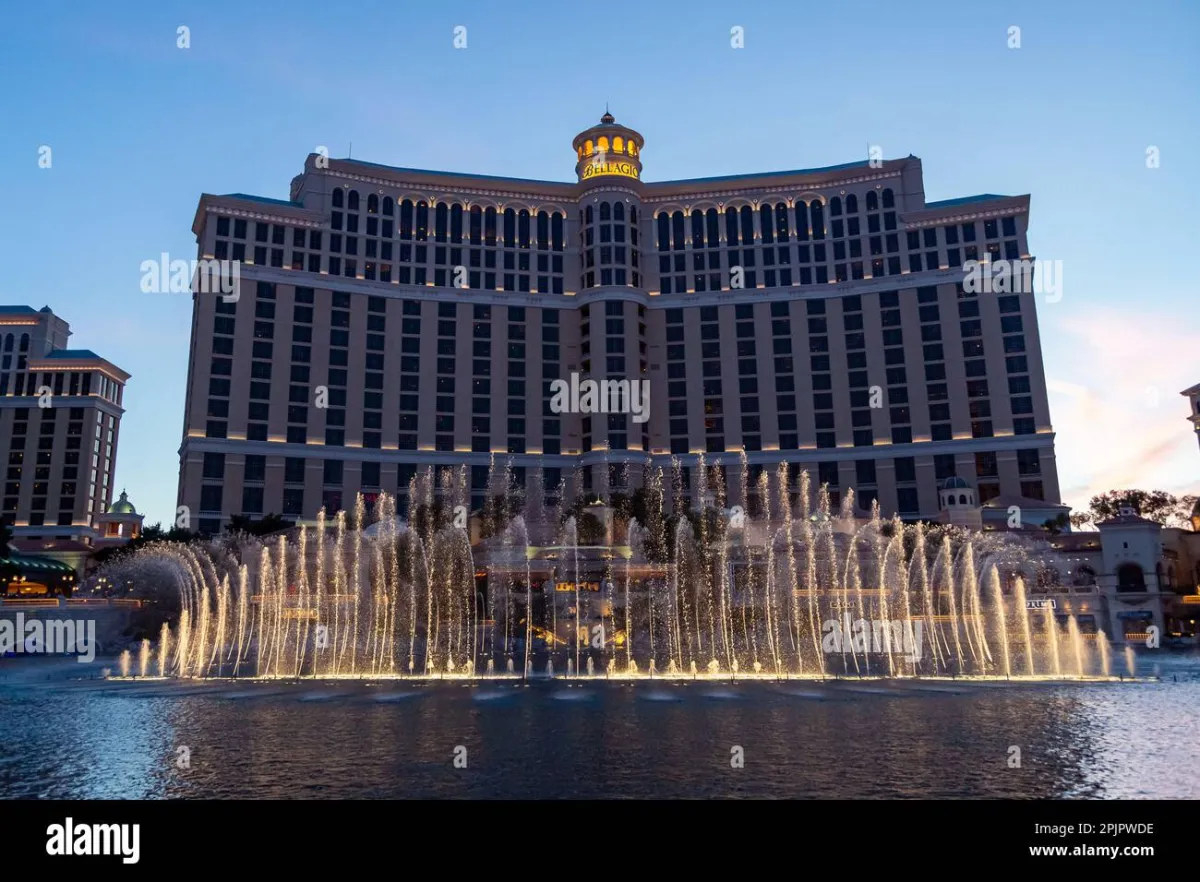 Photo: Las Vegas, via c8.alamy.com
The New Vegas Rules
The old Vegas playbook was simple: aging stars would sign lucrative deals to perform their greatest hits for tourists who wanted to relive their youth without leaving the air conditioning. Think Elvis in his jumpsuit years, or Wayne Newton becoming "Mr. Las Vegas" by essentially turning himself into a human jukebox.
But something shifted in the last decade. Suddenly, artists in their prime were choosing Vegas over world tours, treating residencies not as career endpoints but as creative laboratories. The Strip transformed from a place where careers went to die into a place where they could be reborn — with the right strategy, the right venue, and the right amount of cultural momentum.
The turning point was probably Celine Dion's residency at Caesars Palace, which ran from 2003 to 2019 and grossed over $680 million. Dion proved that Vegas could be both artistically ambitious and commercially massive, setting the template for what a modern residency could achieve.
 Photo: Celine Dion, via www.cheatsheet.com
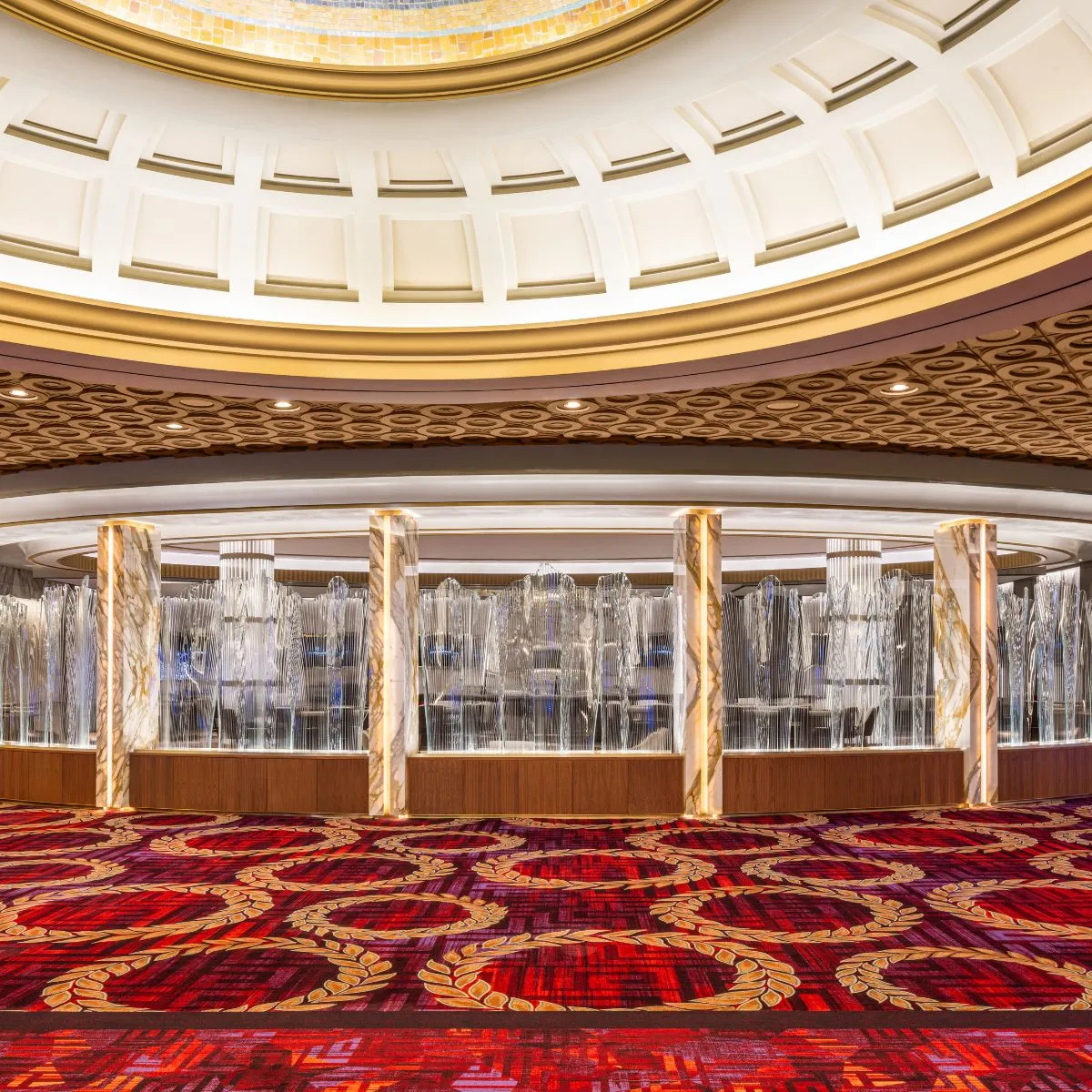 Photo: Caesars Palace, via www.preciosalighting.com
The Renaissance Squad
Lady Gaga's "Jazz & Piano" and "Enigma" residencies at Park MGM were masterclasses in using Vegas as a creative reset button. After a few years of mixed reception for her pop albums, Gaga used her Vegas shows to showcase her vocal range, experiment with different musical styles, and remind audiences why they fell in love with her in the first place. The residency didn't just make money — it repositioned her as a serious artist just in time for "A Star Is Born."
Adele's residency at Caesars Palace, "Weekends with Adele," became the hottest ticket in town despite — or perhaps because of — her decision to scale back from massive world tours. By creating an intimate setting that highlighted her personality and vocal power, she turned what could have been seen as a retreat into a statement of artistic confidence.
Bruno Mars has practically made Vegas his second home, with multiple residencies that feel less like nostalgia acts and more like exclusive parties that happen to feature one of the best live performers in the world. His shows sell out because they offer something you can't get anywhere else — not just the hits, but Mars at his most relaxed and charismatic.
The Retirement Home Residents
But for every Gaga or Adele, there's a cautionary tale of an artist who chose Vegas because the alternative was facing the reality that their touring days were behind them. These residencies often feel like elaborate victory laps, heavy on nostalgia and light on artistic risk.
The difference isn't always obvious from the outside. Both types of residencies feature elaborate staging, costume changes, and greatest hits setlists. But you can usually tell which category an artist falls into by looking at what they're doing outside of Vegas. Are they releasing new music, collaborating with other artists, or using their residency as a jumping-off point for other projects? Or has Vegas become their entire creative world?
Some artists have been surprisingly honest about this distinction. When Barry Manilow announced his residency at the Westgate, he openly positioned it as a celebration of his legacy rather than a platform for new material. There's something refreshing about that honesty, even if it confirms what everyone already suspected.
The Economics of Staying Put
The financial math of Vegas residencies has fundamentally changed how artists think about touring. Why spend months on the road, dealing with different venues, travel logistics, and varying sound quality, when you can make comparable money performing in the same theater every night?
For established artists, the economics are compelling: guaranteed income, predictable schedules, and the ability to perfect a show over multiple performances rather than having to nail it fresh every night. Vegas residencies also allow artists to maintain their lifestyle and family commitments in ways that traditional touring doesn't.
But there's a hidden cost to this convenience. Touring, for all its hassles, keeps artists connected to their audiences in ways that Vegas can't replicate. When you're performing for tourists who are already in vacation mode, you're not necessarily reaching the fans who will buy your next album or follow your career long-term.
The Cultural Litmus Test
Vegas has become an inadvertent barometer for where an artist stands in the cultural conversation. When an artist announces a residency, the public reaction often reveals more about their career trajectory than any album chart position or award nomination.
When Britney Spears announced her "Piece of Me" residency at Planet Hollywood, it was seen as a comeback after years of personal struggles. The fact that it was successful — both critically and commercially — helped rehabilitate her public image and proved she could still command an audience.
Conversely, when certain artists announce Vegas residencies, the response is often a collective "already?" — a sense that they're cashing out earlier than expected. The timing of the announcement matters almost as much as the residency itself.
The Streaming Era Paradox
The rise of streaming has created an interesting paradox for Vegas residencies. On one hand, artists can no longer rely on album sales to fund their careers, making the guaranteed income of a residency more attractive. On the other hand, streaming has made it easier for artists to stay relevant without traditional promotion, potentially extending their viable touring years.
This has created a new category of Vegas residency: the strategic retreat. Artists who might once have felt pressured to keep touring indefinitely can now use Vegas as a way to maintain their performance skills while focusing on other projects — whether that's new music, acting, business ventures, or just having a life outside of constant travel.
The Strip as Crystal Ball
Ultimately, Vegas residencies have become a mirror that reflects not just individual career trajectories, but broader changes in how celebrity and artistry work in the modern era. The city's transformation from a place where careers went to die into a legitimate artistic destination parallels larger shifts in how audiences consume entertainment and how artists manage their careers.
The most successful Vegas residencies understand that the city itself is part of the show — the excess, the spectacle, the unapologetic embrace of entertainment for its own sake. Artists who fight against that energy rarely succeed; those who lean into it often discover new dimensions of their own artistry.
Whether a Vegas residency represents a career renaissance or a comfortable retirement often depends less on the artist's age or hit count than on their willingness to embrace what the city does best: turning performance into an event that people will travel across the country to experience, because in a world of infinite streaming options, there's still something irreplaceable about being in the room where it happens.