Celebrities Ate the Sports World and the Athletes Are Still Waiting for Their Own Close-Up
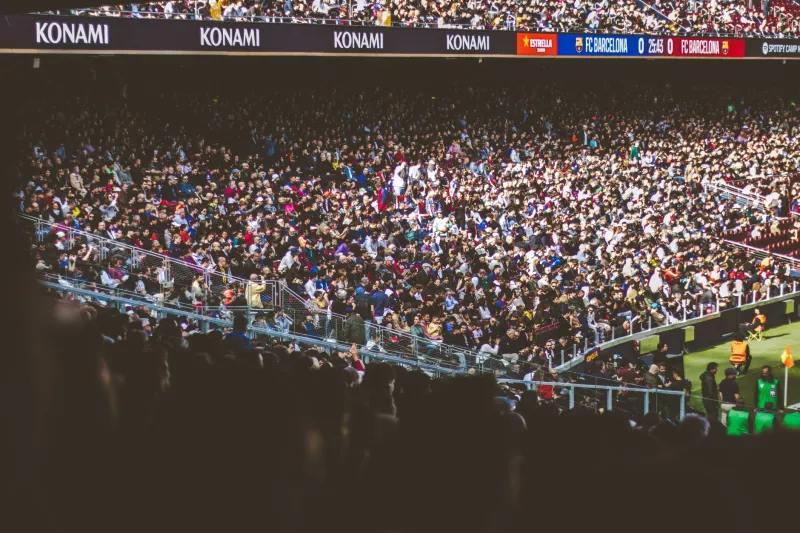
Let's set the scene: it's a primetime NFL game at Arrowhead Stadium, millions of viewers tuned in, and the broadcast cuts — not to the quarterback, not to the play, not to the third-down conversion that just shifted the entire momentum of the game — but to a woman in a friendship bracelet and a team-colored jacket sitting in a suite, reacting to something that happened on the field she's currently being filmed not watching. The internet goes supernova. The athlete who made the play trends briefly, then disappears into the general noise. The celebrity in the suite is on every front page by morning.
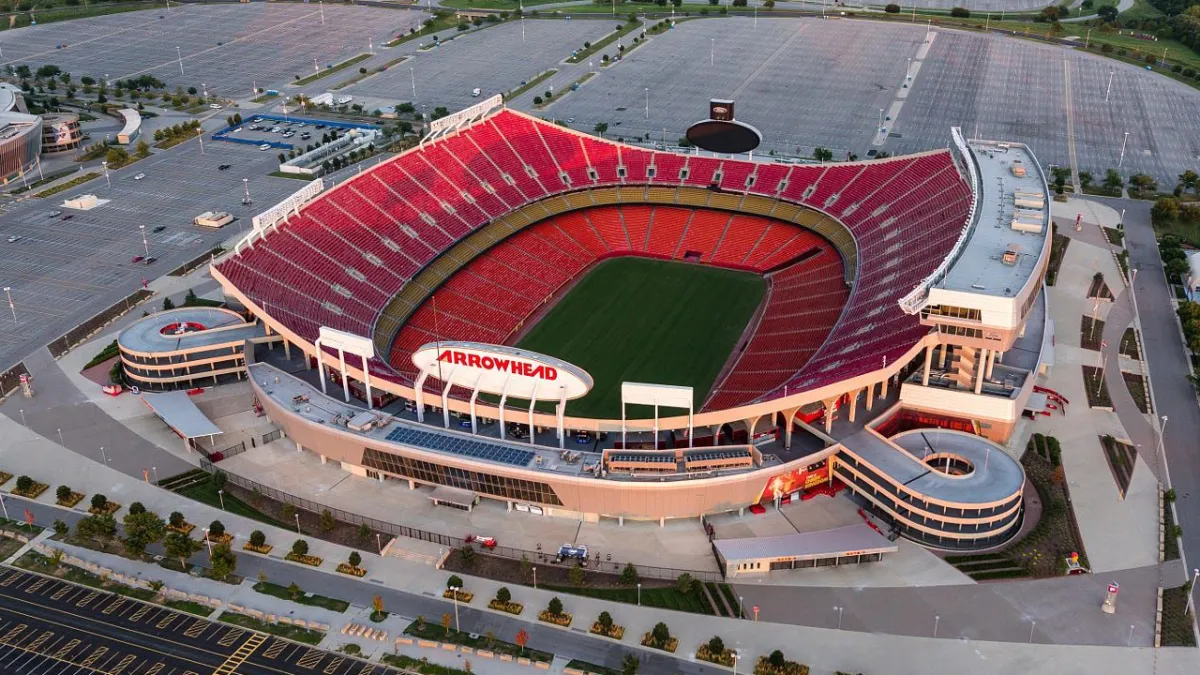 Photo: Arrowhead Stadium, via hitthatline.com
This is the Courtside Effect. And it has completely rewritten the PR rulebook for both Hollywood and professional sports — whether the sports world asked for it or not.
The New Red Carpet Has Bleachers
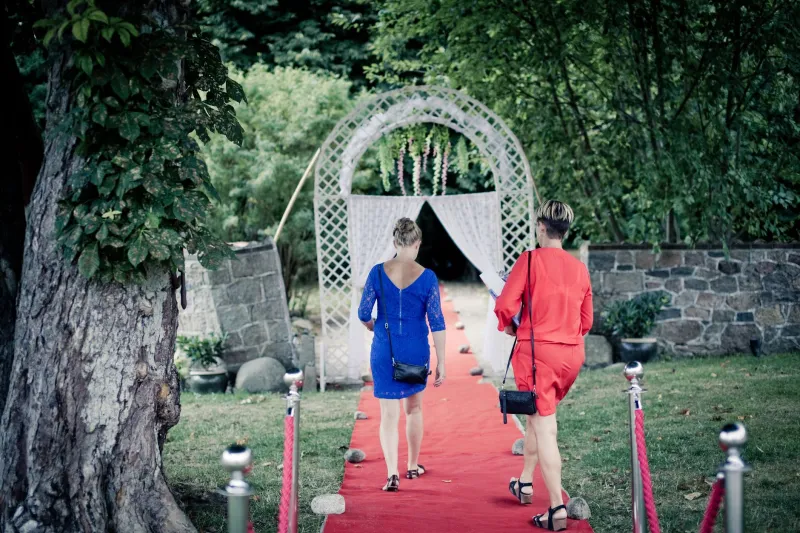
For decades, the celebrity visibility hierarchy was relatively stable. You did the awards circuit. You hit the premieres. You showed up at Met Gala and hoped your outfit broke the internet before someone else's did. The red carpet was the official arena, and everyone understood the rules.
Then something shifted. Red carpets started feeling predictable — controlled, over-styled, and increasingly performative in a way that audiences had grown immune to. The paparazzi shot outside a restaurant or an airport became more compelling precisely because it felt unscripted. And then, gradually, the sports stadium entered the picture as the ultimate hybrid: technically a real event, technically not about you, but with cameras everywhere and a captive audience of millions.
The calculus for celebrity publicists became obvious very quickly. A courtside NBA seat or an NFL suite appearance generates the kind of coverage that a traditional press event simply can't manufacture. It's organic-looking. It's aspirational. It telegraphs a social life, a personality, a set of real-world friendships — all without the clinical sterility of a red carpet backdrop. And crucially, it reaches a demographic that isn't necessarily watching the awards show or reading the trade press.
The Taylor Swift Effect Was Just the Most Visible Example
The conversation reached critical mass during the 2023-2024 NFL season when Taylor Swift's attendance at Kansas City Chiefs games became, somehow, one of the dominant sports media stories of the year. The coverage was staggering — and the backlash from football traditionalists was equally loud. Sports commentators, fans, and a handful of athletes (most of them not on the Chiefs) publicly grumbled that the game itself was being buried under celebrity spectacle.
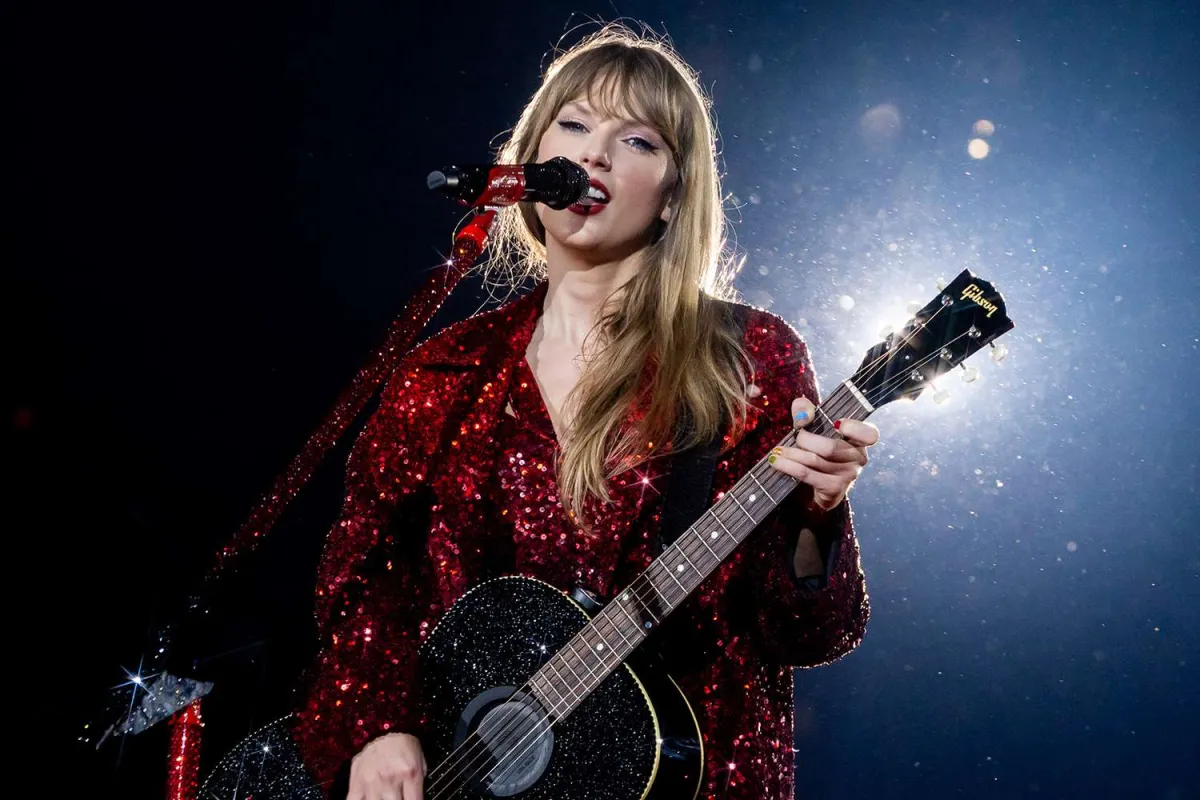 Photo: Taylor Swift, via people.com
But here's the thing: Swift's stadium appearances weren't an anomaly. They were just the loudest expression of a trend that had been building for years. Courtside NBA seats have been a celebrity status symbol since the Jack Nicholson era at the Staples Center. The US Open has a celebrity section that functions as its own micro red carpet. The Kentucky Derby, the Masters, Wimbledon — every major sporting event now has a celebrity component that the broadcast treats as equal programming.
What changed recently is the scale, the intentionality, and the social media amplification. Publicists now actively book sporting event appearances as part of coordinated press campaigns. Album drops, film releases, brand launches — all of them can be quietly timed around a high-profile game appearance that gets the celebrity's face in front of 20 million people without a single official press release.
The Symbiotic Machine Nobody Wants to Fully Acknowledge
Here's the part that both industries are somewhat coy about: the relationship between sports leagues and celebrity culture is not accidental. It is actively managed, and both sides benefit enormously.
Leagues like the NFL and NBA have understood for years that celebrity adjacency expands their audience beyond core sports fans. When a pop star shows up at a game, her fan base — which may skew younger, more female, more culturally diverse than the traditional sports demographic — suddenly has a point of entry. Ratings go up. Merchandise sells. The moment becomes a cultural event rather than just a sporting one.
For the celebrity's team, the calculation is equally straightforward. Sports audiences are enormous, engaged, and watching in real time — which is increasingly rare in an era of streaming and on-demand consumption. A celebrity in the stands is guaranteed live, undivided eyeballs in a way that almost no other format can promise.
The NFL has reportedly become more deliberate about which celebrity appearances get the in-broadcast camera treatment and how often. That's not accidental coverage. That's a production decision. Which means the 'spontaneous' celebrity moment in the stands has, in many cases, been negotiated before anyone took their seat.
The Athletes Are Noticing
Not everyone is thrilled. A quiet but persistent undercurrent of frustration has emerged from within the sports world itself — players, coaches, and longtime sports journalists who feel the celebrity-industrial complex is reshaping coverage in ways that actively shortchange the athletes.
Several NFL players made comments during the 2023 season — some diplomatic, some considerably less so — about the celebrity coverage overshadowing the game. The sentiment was understandable: these are professional athletes at the peak of their careers, competing at the highest level, and the broadcast is cutting to a celebrity reacting to a play rather than the player who made it.
There's also a subtler status question at play. The courtside or suite celebrity is, in the traditional sense, an audience member. They are there to watch. But the camera logic of modern sports broadcasting has quietly elevated the watcher above the watched — which is a genuinely strange inversion that the sports world is still figuring out how to feel about.
What Comes Next
The trend isn't reversing. If anything, it's accelerating — and it's spreading to sports that previously resisted celebrity culture. Formula 1's explosion in American popularity has been explicitly linked to the influx of celebrity fans and the Netflix documentary series that reframed the sport as a glamorous, personality-driven drama. Celebrities at F1 races are now a fixture, and the paddock has become one of the most coveted social appearances on the circuit.
The question isn't whether celebrities will keep showing up at sporting events. They will. The question is whether the sports world will eventually push back hard enough to recalibrate the camera, or whether the athletes will simply accept that they're now the supporting cast at their own show.
Either way, the courtside seat has officially replaced the red carpet — and somewhere, a publicist is already booking the next one.
The athletes built the stadium, sell the tickets, and make the plays — but if you want to trend on a Sunday night, apparently you just need to show up in the right suite and look mildly excited.