Table for Two Hundred, Please: Why Celebrities Keep Opening Restaurants They Have Absolutely No Business Running
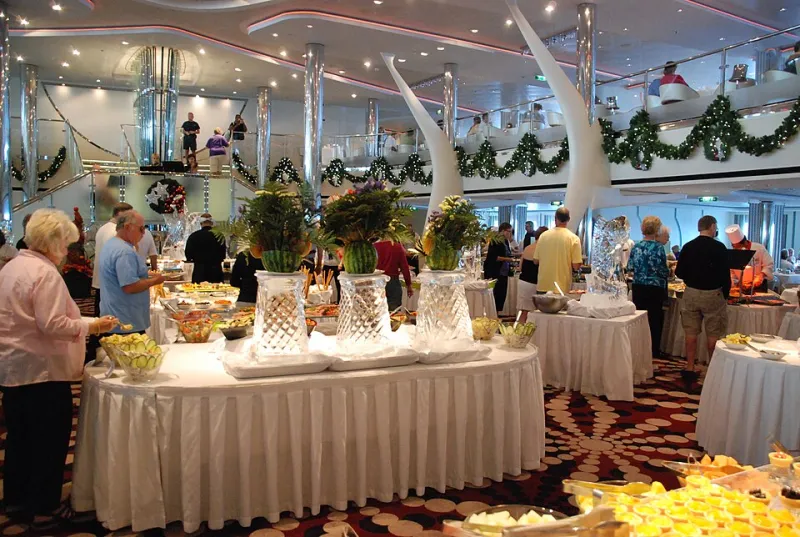
Photo: Joe Ross from Lansing, Michigan, CC BY-SA 2.0, via Wikimedia Commons
The restaurant industry kills approximately 60% of new establishments within their first year. It is a notoriously brutal, margin-thin, operationally complex business that has humbled professional restaurateurs with decades of experience and genuine passion for the craft.
Celebrities, apparently, have not received this memo. Or they received it, glanced at it, and decided it did not apply to them because they have a verified Instagram account and a vision board.
The celebrity restaurant moment is upon us, and it is magnificent in its predictability. Every few months, a new famous face announces a dining venture — a fast-casual concept, an exclusive members-only club, a chef-forward tasting menu restaurant that will 'redefine the experience' — and every few months, the rest of us watch the opening night coverage with the particular mixture of admiration and dread that one reserves for someone attempting something genuinely dangerous without adequate preparation.
Sometimes they survive. Often they do not. Occasionally they flame out so spectacularly that the closure itself generates more press than the opening did.
And yet the pipeline never stops.
Why a Restaurant? Why Now? Why Them?
Before we get to the carnage, it's worth asking the foundational question: why is the restaurant the celebrity vanity project of this particular cultural moment?
The answer, like most things in the celebrity economy, is multi-layered and only partially about food.
First, there's the brand logic. A restaurant is a physical, tangible manifestation of a personal brand in a way that a fragrance or a clothing line simply isn't. You can walk into it. You can sit in it. You can consume something inside it and then post about consuming something inside it, which is the entire point. In an era where celebrity brands are expected to have texture and dimension and 'authenticity,' a restaurant offers all three simultaneously. It says: I have taste, I have vision, I have a sense of hospitality that extends beyond my art. It says: I am a whole person with interests.
Second, there's the financial diversification argument, which is real but often misapplied. Celebrities with genuine business acumen — and there are some, they exist — understand that a restaurant can function as a revenue-generating asset, a marketing vehicle, and a community hub all at once. The hospitality industry, when run correctly, produces loyalty and cultural cachet that translates back to the broader brand ecosystem.
The problem is that 'when run correctly' is doing an enormous amount of work in that sentence.
Third — and this is the one nobody says out loud in the press release — sometimes a celebrity opens a restaurant because their primary career has hit a plateau and they need a new personality. An actor between major roles. A musician whose last album underperformed. An influencer whose content metrics are sliding. A restaurant gives them something to talk about, something to be photographed in front of, something to generate coverage that isn't about the plateau. It is, in the most charitable reading, a pivot. In the less charitable reading, it is a distraction with a liquor license.
The Hall of Fame (and Infamy)
The celebrity restaurant landscape is littered with monuments to ambition that reality eventually dismantled.
Mariah Carey's short-lived restaurant venture. The various athlete-backed steakhouses that opened with enormous fanfare and closed with a brief statement about 'shifting priorities.' The rapper-owned fast-casual concepts that turned out to be more concept than fast or casual. The actress-fronted 'wellness dining' experiment that charged forty dollars for a salad and still couldn't cover its rent.
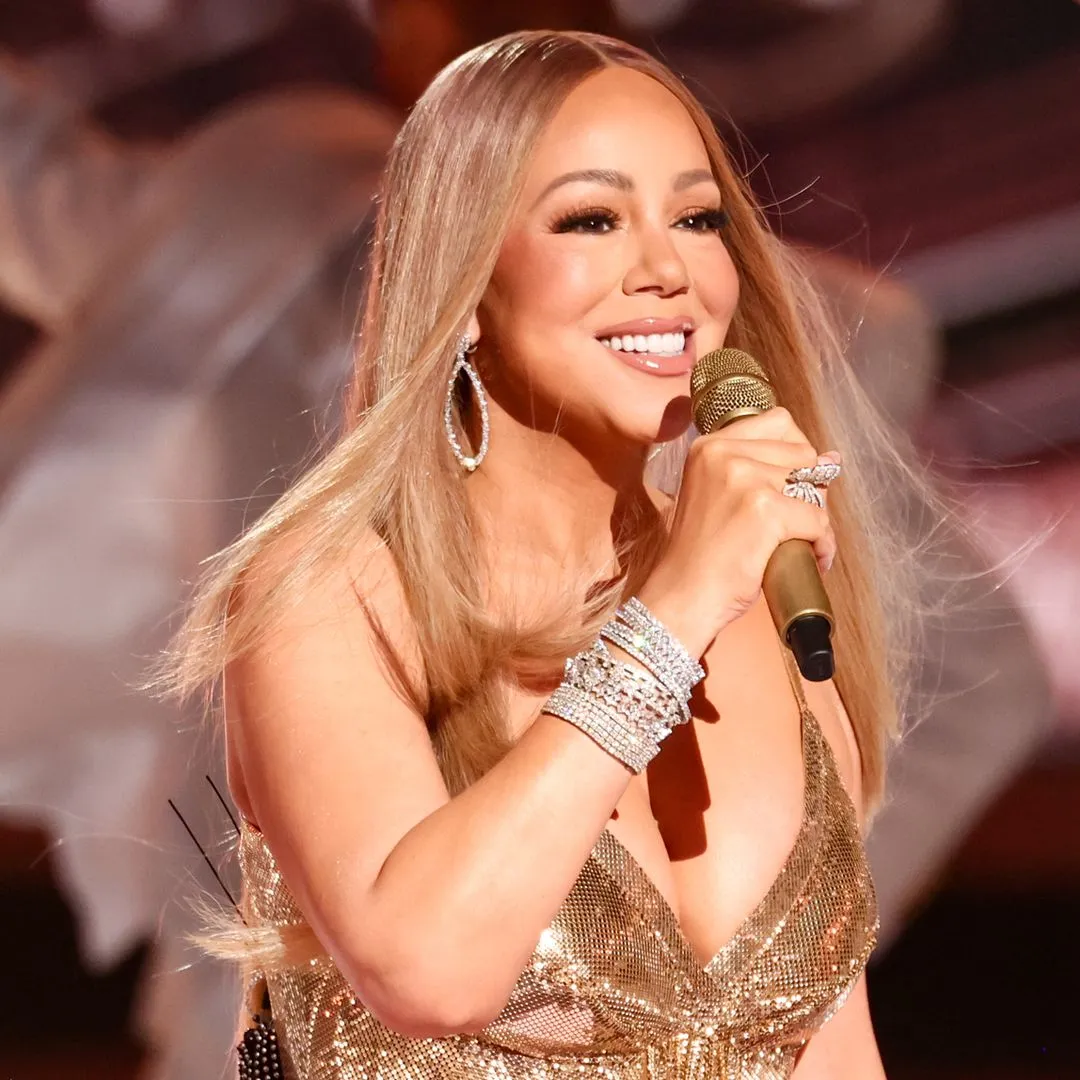 Photo: Mariah Carey, via www.hola.com
What's notable about most of these failures isn't the failure itself — restaurants fail constantly, this is known — but the specific texture of the failure. Celebrity restaurants tend to open with a level of buzz that masks fundamental operational problems: locations chosen for Instagram aesthetics rather than foot traffic logic, menus designed to impress rather than to function at scale, staffing structures that assume celebrity proximity is a substitute for actual management infrastructure.
The opening night is always incredible. The three-month mark is when the problems surface. The six-month mark is when the Yelp reviews start mentioning that the service has gotten inconsistent. The twelve-month mark is when the 'exciting new chapter' announcement quietly appears.
The Ones That Actually Work — and Why
To be fair — and Velour Digest is nothing if not scrupulously fair when fairness is warranted — some celebrity restaurant ventures do work, and the ones that work tend to share a few distinguishing characteristics.
The celebrity is genuinely, substantively involved in the operational reality of the business, not just the opening party. They hired actual hospitality professionals to run the day-to-day and stayed out of their lane. The concept is specific enough to have a real identity but accessible enough to generate repeat business. The location was chosen by someone who understands real estate rather than someone who understood the vibe.
Actors and musicians who grew up in the food industry, or who have genuinely spent years developing culinary knowledge before attaching their name to a restaurant, tend to produce more durable ventures than those who had a great meal in Italy once and decided that was sufficient preparation.
The difference between a celebrity restaurant that becomes a genuine institution and one that becomes a cautionary tale is usually invisible from the outside on opening night. That's what makes the whole spectacle so compelling.
What's Currently on the Menu
Right now, the celebrity restaurant landscape features several high-profile ventures that industry observers are watching with varying degrees of optimism and skepticism. Fast-casual concepts backed by athletes and musicians continue to multiply, with some showing genuine traction and others displaying the early warning signs — aggressive expansion before the original location has proven sustainable, brand licensing deals that suggest the celebrity is already treating the restaurant as a content vehicle rather than a business — that tend to precede a quiet closure.
The members-only dining club trend, which briefly threatened to become the dominant celebrity hospitality format, appears to be cooling slightly after several high-profile ventures discovered that exclusivity is a powerful marketing tool but a challenging business model when your membership base is finite and your fixed costs are not.
The Uncomfortable Question Nobody in the Press Release Is Asking
Here it is: when a celebrity opens a restaurant, what are they actually selling?
In the best cases, they're selling food and an experience and a genuine vision that happens to have famous backing. In the more common cases, they're selling access to their proximity, and access to proximity is a commodity with a very specific and very limited shelf life.
The moment the celebrity stops showing up — stops being photographed at the bar, stops doing the 'surprise appearance' that gets the social media posts — the restaurant has to survive on its own merits. And if those merits were always secondary to the celebrity's presence, the math gets very difficult very quickly.
The restaurant industry doesn't care about your follower count. The health inspector does not care about your Grammy. The rent is due regardless of whether you're currently trending.
This is, apparently, a lesson that requires repeated learning.
Somewhere right now, a publicist is drafting a press release about a celebrity's 'passion project' restaurant opening — and somewhere else, a restaurant consultant is quietly drafting a survival plan for when the opening week is over.