So Long, Franchise: Why A-Listers Are Quitting Their Biggest Paychecks Like They Just Got a Better Offer

There's a specific kind of Hollywood announcement that's been circulating with increasing frequency lately, and it goes something like this: a major star, attached to a massively profitable franchise, sits down for a glossy magazine profile and explains — with remarkable composure and suspiciously polished language — that they've decided to "move on to new creative challenges." The franchise will continue without them. They wish everyone involved nothing but the best. They are, they want you to know, growing.
This is the Exit Interview Era. And it is absolutely a whole thing.
The New Resignation Letter Is a Vanity Fair Profile
For decades, leaving a franchise was treated like a quiet death. Studios controlled the narrative. Actors were "not returning" due to "scheduling conflicts" — a phrase so transparently fictional it might as well come with a laugh track. The message was clear: the IP is bigger than the individual, and the individual would do well to remember that.
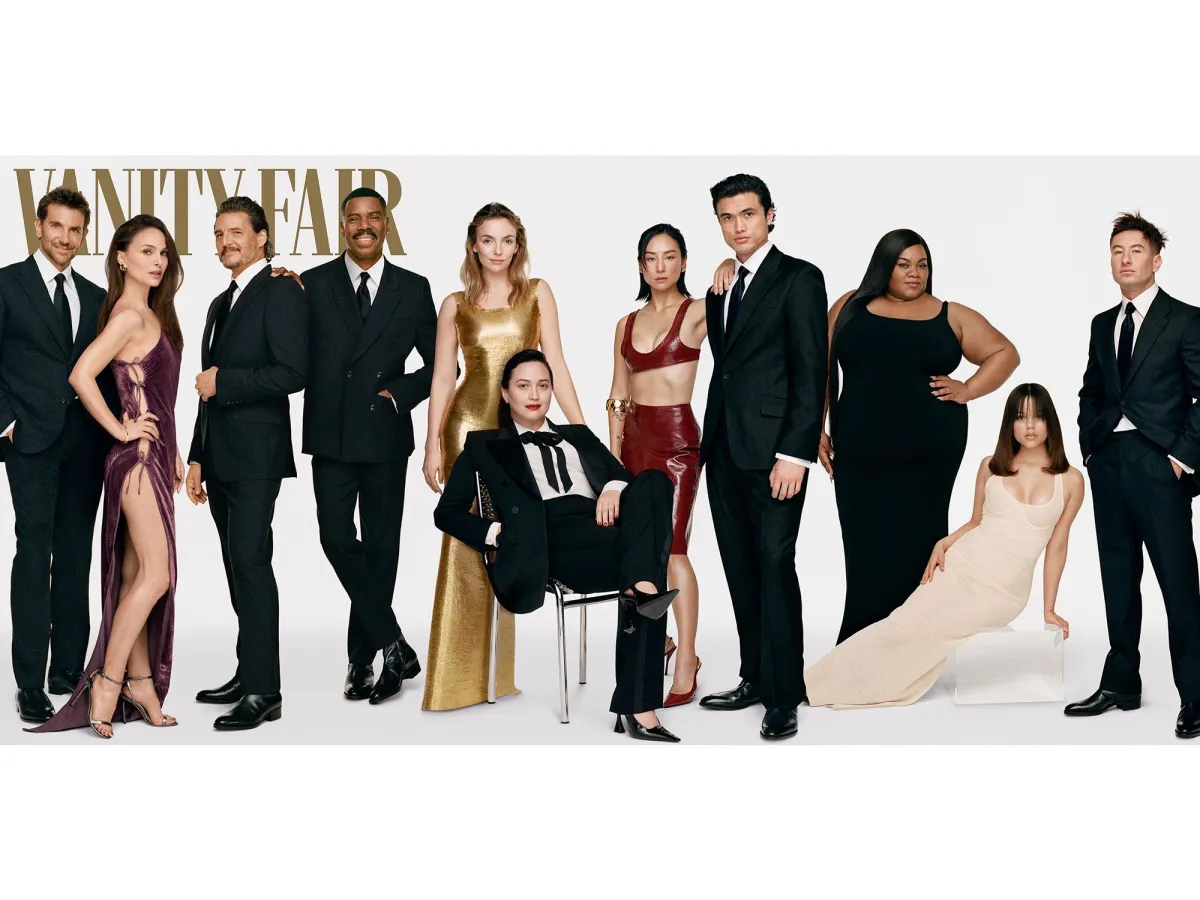 Photo: Vanity Fair, via media.vanityfair.com
But somewhere between the streaming wars, the post-pandemic renegotiation of celebrity power, and the collective cultural reckoning with how studios have historically treated their talent, the calculus shifted. Stars started talking. Loudly. Publicly. On their own terms.
The modern franchise exit now comes with full press infrastructure: a sit-down interview, a thoughtful quote about "creative fulfillment," possibly a mention of wanting to spend more time with family or explore independent film. It reads less like a Hollywood goodbye and more like a senior employee submitting a two-weeks notice with a Glassdoor review already drafted.
The template is practically a genre at this point.
The Power Move Nobody's Saying Out Loud
Here's the thing about the Exit Interview Era that doesn't get enough airtime: for every star who genuinely chose to walk away on their own terms, there's a non-trivial number who read the contract renewal offer, clocked the direction the franchise was heading, and decided to get out before the recast announcement got out first.
Leaving is only a power move if you leave before you're pushed. And Hollywood has a long, well-documented history of pushing.
Industry insiders will tell you — off the record, always off the record — that the timing of these announcements is rarely accidental. A star who senses declining creative investment in their character, or who's heard through the grapevine that the studio has been "exploring options," has every incentive to frame their departure as a voluntary evolution rather than a quiet phase-out. The exit interview becomes a form of pre-emptive reputation management. You're not being replaced. You're transcending.
And frankly? It usually works. The press covers it as an empowering pivot. The fans mourn rather than mock. The star lands a prestige limited series within eighteen months and everyone agrees they made the right call.
The Franchise Itself Is the Real Villain Here
It would be easy to frame this trend as celebrity ego — stars too precious for the machine that made them. But spend five minutes looking at how major franchises have actually treated their talent over the past decade and the picture gets more complicated fast.
Multi-picture contracts that lock actors into commitments spanning nearly a decade. Creative decisions made entirely above their pay grade, even when they're the face of the entire operation. Storylines that sideline established characters to make room for spinoff setups. The gradual realization that you are, functionally, a costume on a conveyor belt.
When you put it that way, the Exit Interview starts to look less like a career pivot and more like a hostage negotiation where the hostage finally figured out the door was unlocked.
Sources close to several talent agencies — none of whom would go on record, because this town runs on plausible deniability — suggest that the current wave of franchise exits reflects a broader renegotiation of what top-tier talent is willing to accept. Streaming money changed the math. The prestige TV boom gave dramatic actors somewhere else to be taken seriously. And the audience appetite for "authentic" storytelling made the shiny, committee-approved blockbuster feel increasingly like diminishing creative returns.
The Fan Reaction Is Its Own Entire Subplot
Of course, no Exit Interview is complete without the fan response, which tends to cycle through the same five stages with clockwork reliability: denial, bargaining, a petition, a conspiracy theory that the star is actually coming back for a secret cameo, and finally, grudging acceptance paired with aggressive support for whoever gets recast.
Social media turns every franchise departure into a referendum. Half the timeline eulogizes the actor's tenure like they've personally lost something. The other half has already fan-cast the replacement and is writing essays about why the recast is actually better for the character's long-term arc. The star themselves often watches all of this unfold from a carefully maintained Instagram distance, occasionally liking a supportive post, never directly engaging with the chaos they've seeded.
It is, in its own bizarre way, masterful.
What Happens Next
The Exit Interview Era isn't slowing down. If anything, as more franchises overextend, as sequel fatigue sets in at the box office, and as the gap between "franchise star" and "critically respected actor" continues to feel like a chasm worth crossing, more departures are coming. More polished quotes about creative journeys. More two-page spreads in magazines that used to run breathless profiles of these same actors entering these same franchises.
Watch for the actors currently attached to underperforming franchise installments. Watch for the ones whose characters have been quietly deprioritized in recent entries. And watch for the sudden spike in indie film announcements — because nothing says "I left on my own terms" quite like a Sundance premiere six months later.
The franchise will always find a new face. The real question is whether the face finds a better franchise — or just a better press strategy.
The door's unlocked, the resignation letter is already drafted, and the Vanity Fair photographer is booked — all that's left is deciding which quote makes you sound the most evolved.