The Second Wife Cinematic Universe: Why Hollywood Keeps Casting the Same Woman as the Villain in Someone Else's Love Story

There's a script that Hollywood follows with the precision of a Marvel movie, except instead of superheroes, it stars the "other woman" — and she's always cast as the villain. Whether she's a co-star, a backup dancer, or just someone who happened to swipe right at the wrong time, the moment she appears on the arm of a recently separated celebrity, she becomes public enemy number one.
The Homewrecker's Handbook
The playbook is so predictable you could set your watch by it. First, there's the timeline scrutiny — eagle-eyed fans and tabloids dissect every Instagram like and public appearance to determine if the relationship started before the previous one officially ended. Then comes the comparison phase, where every aspect of the new woman is measured against her predecessor: younger or older, prettier or plainer, more or less successful.
Finally, there's the character assassination. She's either a gold digger, a social climber, or a naive young thing being taken advantage of. The narrative rarely allows for the possibility that she might just be a person who fell in love with someone who happened to be famous.
Look at how the media treated Jennifer Aniston versus Angelina Jolie during the Brad Pitt era. Despite both women being accomplished actresses, Aniston was cast as America's sweetheart while Jolie became the femme fatale who destroyed a marriage — a narrative that persisted for years until Jolie's own marriage to Pitt ended, suddenly making her the sympathetic figure.
 Photo: Angelina Jolie, via api.time.com
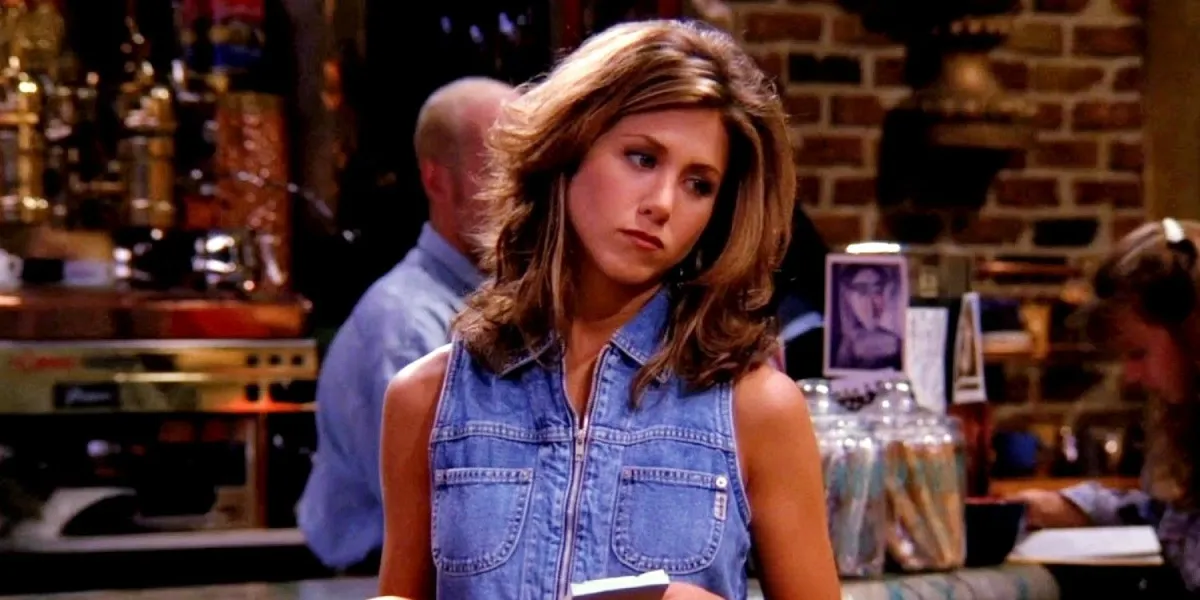 Photo: Jennifer Aniston, via static3.srcdn.com
The Fan Fiction Factory
Social media has supercharged this phenomenon, turning every celebrity relationship into a crowdsourced investigation. Fan accounts dedicated to "exposing" new girlfriends spring up overnight, armed with screenshots, timelines, and conspiracy theories that would make QAnon proud.
These digital detectives don't just analyze public appearances — they're reverse-engineering LinkedIn profiles, tracking down college roommates, and creating elaborate theories about secret pregnancies and hidden agendas. The new woman becomes less a real person than a character in an ongoing soap opera, with fans writing her dialogue and motivations based on grainy paparazzi photos and cryptic Instagram stories.
The irony is that many of these fan armies claim to be protecting their favorite celebrity from manipulation, but they're often the ones creating the most toxic narratives. They've convinced themselves that they know what's best for someone they've never met, based on carefully curated public personas.
The Upgrade/Downgrade Olympics
Perhaps nowhere is this phenomenon more obvious than in how the media frames celebrity "rebounds." Every new relationship is immediately categorized as either an upgrade or a downgrade, as if human beings were iPhone models with measurable specs.
When Pete Davidson dated Kim Kardashian, the narrative focused on how he'd "upgraded" from his previous relationships — despite the fact that he'd previously dated accomplished women like Ariana Grande and Kate Beckinsale. When their relationship ended and Kardashian moved on to date other people, suddenly those men were being compared to Davidson, creating an endless cycle of relationship rankings that reduced everyone involved to a score on some imaginary compatibility scale.
This obsession with ranking and comparing reveals something uncomfortable about how we view relationships — as competitions where there are winners and losers, rather than complex human connections that might end for any number of private reasons.
The Redemption Arc Rulebook
What's fascinating is how consistently the narrative can flip once the "second wife" becomes famous enough in her own right. Suddenly, the same woman who was painted as a homewrecker becomes a feminist icon who "found her voice" and "refused to be silenced."
Meghan Markle experienced this transformation in real time. Initially, much of the British press coverage focused on her as the American actress who "stole" Prince Harry from his royal duties. But as the couple began speaking out about their treatment by the royal family and the media, Markle was repositioned as a victim of institutional racism and sexism — the same woman, but now with a completely different narrative frame.
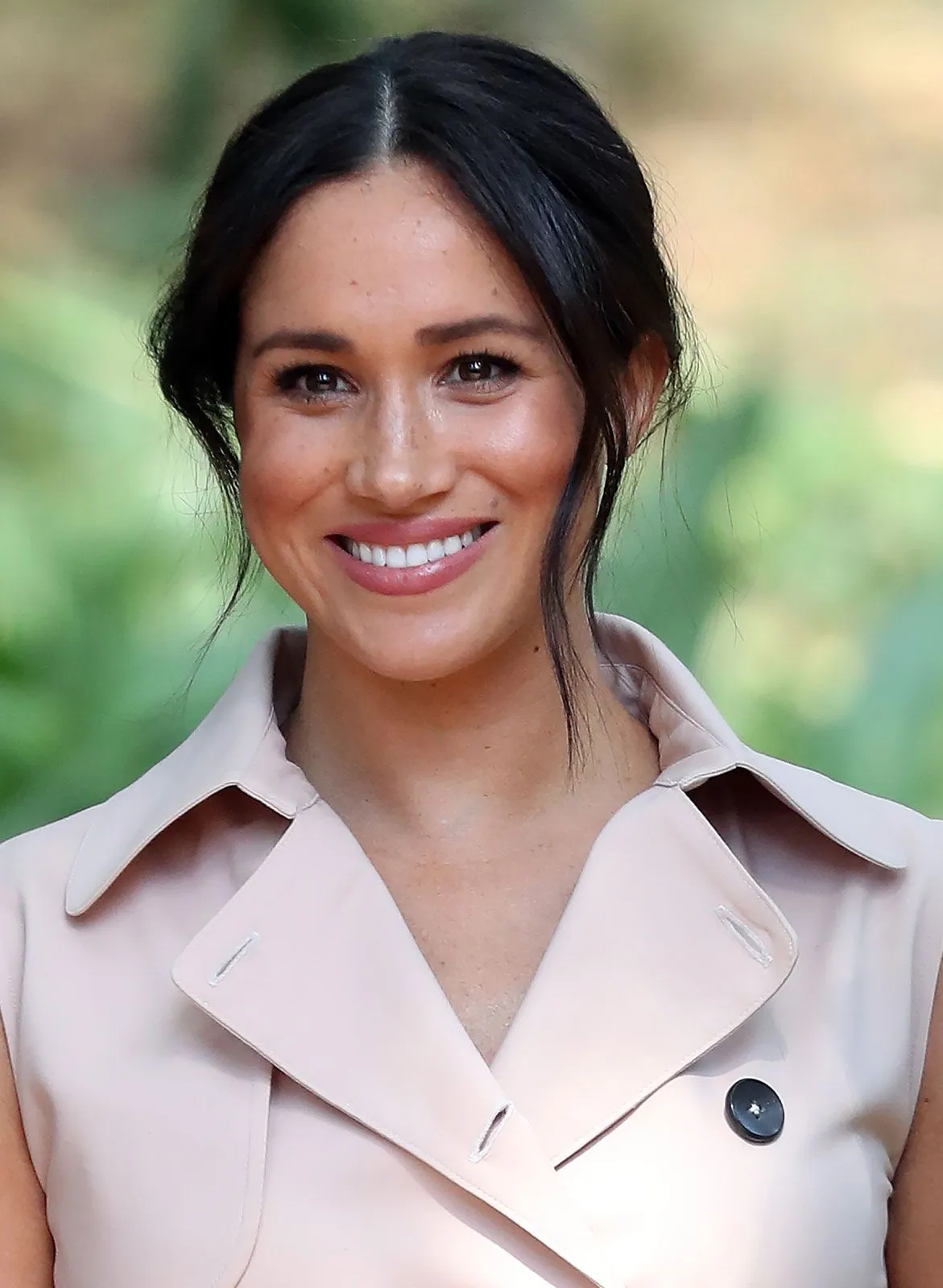 Photo: Meghan Markle, via cdn.britannica.com
This pattern suggests that the "second wife villain" story isn't really about the women themselves — it's about maintaining a particular kind of story that audiences find compelling. We want our celebrities to have messy, dramatic love lives because it makes them more interesting than their actual work.
The Economics of Outrage
There's also a financial incentive driving these narratives. Tabloids know that stories about relationship drama generate more clicks than career updates or charitable work. The "other woman" angle provides a ready-made villain that audiences love to hate, creating engagement that translates directly to advertising revenue.
Social media algorithms amplify this effect, promoting content that generates strong emotional reactions — and nothing generates reactions quite like righteous indignation about someone "stealing" a beloved celebrity. The platforms profit from the outrage, the tabloids profit from the traffic, and the celebrities often profit from the increased attention, even when it's negative.
The only people who don't profit are the women caught in the crossfire, who often find themselves facing harassment, death threats, and career damage for the crime of falling in love with the wrong person.
Breaking the Fourth Wall
What's most insidious about this pattern is how it masquerades as moral judgment while actually being pure entertainment. We tell ourselves we're defending marriage or protecting vulnerable celebrities, but really we're just enjoying a guilt-free way to tear down women who have something we want — whether that's beauty, success, or access to our favorite star.
The "second wife" narrative persists because it serves multiple psychological needs: it lets us feel superior to wealthy, beautiful women; it provides a simple explanation for complex relationship dynamics; and it feeds our appetite for drama without requiring us to examine our own relationships or choices.
Until we're willing to acknowledge that celebrities are real people whose private lives deserve the same respect we'd want for ourselves, we'll keep casting the same villains in the same tired story — and wondering why nobody wants to audition for the role.