Manufactured Chaos: How Reality TV Became Hollywood's Most Calculated Career Resurrection Tool
Manufactured Chaos: How Reality TV Became Hollywood's Most Calculated Career Resurrection Tool
When Pamela Anderson signed up for "Dancing with the Stars" in 2010, industry insiders whispered that the former "Baywatch" star had finally hit rock bottom. When she returned to reality TV with "The Traitors" in 2023, those same insiders called it a "brilliant strategic pivot." What changed? Reality television transformed from career graveyard to career gold mine — and Hollywood finally figured out how to game the system.
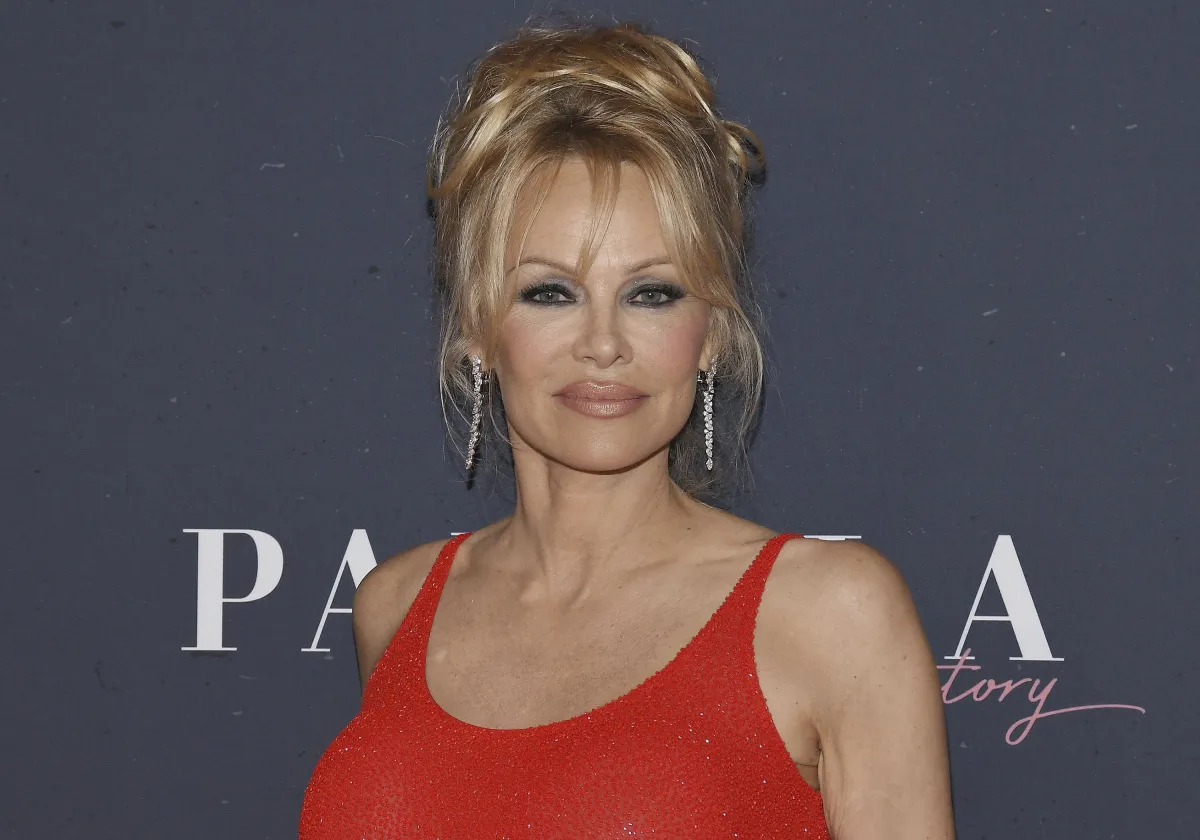 Photo: Pamela Anderson, via media.cnn.com
The shift has been so complete that appearing on reality TV now requires the same level of strategic planning, team consultation, and contract negotiation as landing a Marvel movie. The "unscripted" label is doing the heaviest lifting in show business, because there's nothing spontaneous about how celebrities deploy these appearances to rehabilitate reputations, launch comebacks, and stay relevant in an attention economy that devours careers faster than ever.
The Kardashian Theorem
Before we analyze how established celebrities weaponized reality TV, we have to acknowledge the family that proved it could be a launching pad rather than a landing strip. The Kardashians didn't just succeed despite reality television — they succeeded because they understood that "reality" TV was actually the most controlled environment in entertainment.
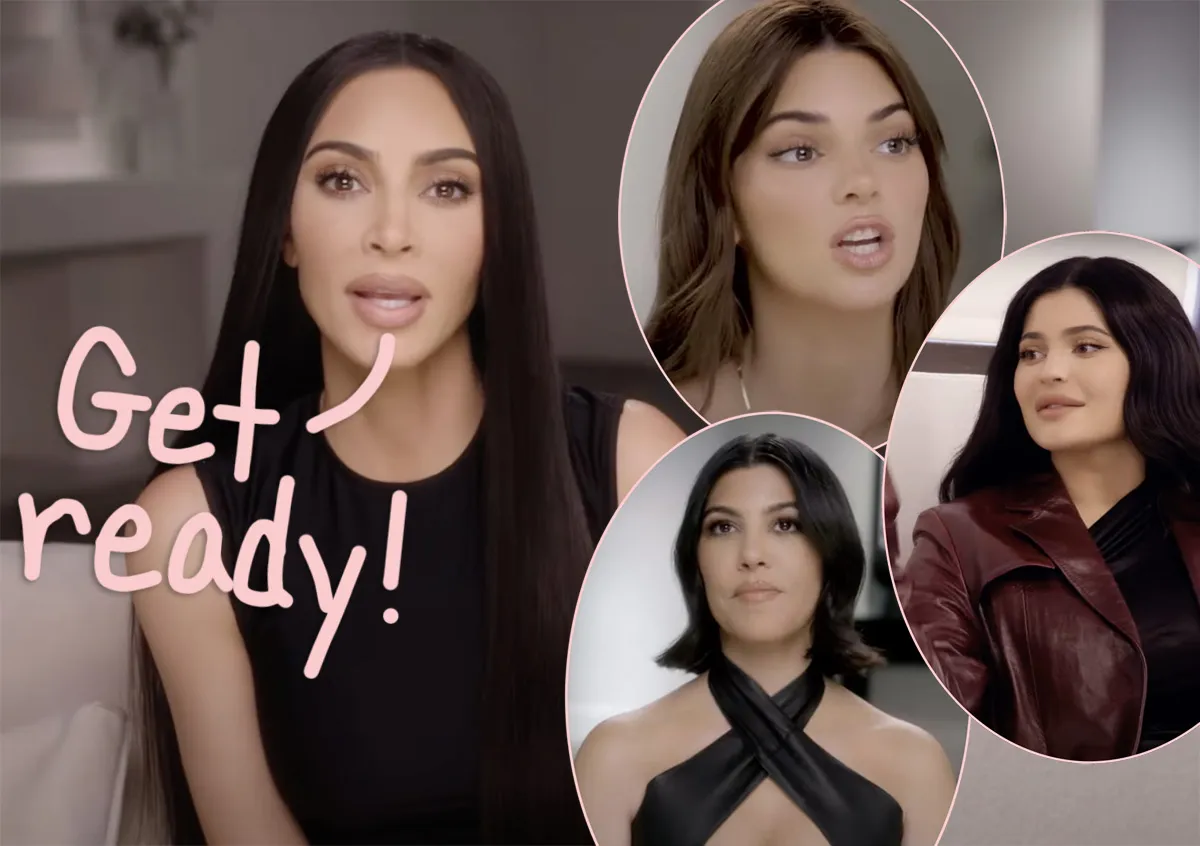 Photo: The Kardashians, via perezhilton.com
Every storyline, every family drama, every "candid" moment was carefully crafted content designed to build individual brands while maintaining collective relevance. The show wasn't documenting their lives; it was manufacturing their empire. Other celebrities took notes.
The Comeback Kings and Queens
Fast-forward to today, and reality TV has become the preferred rehabilitation center for celebrities whose traditional career paths have stalled. Take Nicole Richie's transformation from tabloid punchline to lifestyle guru — a journey that began with "The Simple Life" but was cemented through strategic reality appearances that repositioned her as an aspirational figure rather than cautionary tale.
Or consider how NeNe Leakes used "The Real Housewives of Atlanta" to transition from struggling actress to multimedia mogul, leveraging her reality TV persona to secure hosting gigs, Broadway roles, and business opportunities that her pre-reality career never offered.
The pattern is clear: reality TV provides a controlled environment where celebrities can craft new narratives about themselves while appearing "authentic" and "relatable."
The Competition Show Strategy
Singing competitions have become particularly sophisticated vehicles for career repositioning. When celebrities appear on "The Masked Singer," they're not just performing — they're conducting focus groups in real time, testing which aspects of their personality resonate with current audiences.
Take Donny Osmond's "Dancing with the Stars" victory in 2009. What looked like a nostalgic appearance was actually a masterclass in brand rehabilitation, transforming him from "retro curiosity" to "timeless entertainer" and launching a Las Vegas residency that ran for over a decade.
More recently, celebrities like Rob Gronkowski and Kaitlin Olson have used "The Masked Singer" to showcase unexpected talents and personality facets that their primary careers never highlighted, effectively expanding their brand portfolios through strategic vulnerability.
The Dating Show Gambit
Perhaps no reality TV subset has been more strategically deployed than dating shows. When celebrities appear on programs like "Celebrity Dating Game" or "The Celebrity Dating Show," they're not looking for love — they're looking for relevance rehabilitation.
These appearances allow stars to address personal controversies in a "fun" context, demonstrate growth and vulnerability, and remind audiences why they fell in love with them in the first place. The dating element provides built-in storylines and emotional stakes that traditional talk show appearances can't match.
The Controlled Chaos Economy
What makes modern reality TV so appealing to celebrity teams is the level of control participants actually maintain. Despite the "unscripted" label, celebrities negotiate storyline approval, editing consultation, and often producer credits that give them significant influence over their final portrayal.
This is reality TV as performance art, where the "real" person being revealed is actually a carefully constructed character designed to achieve specific career objectives. The authenticity is manufactured, but the results are genuine.
The International Pivot
One of the smartest recent developments is how American celebrities use international reality shows to test new personas with lower stakes. Appearing on "I'm a Celebrity... Get Me Out of Here!" in Australia or the UK allows stars to experiment with different aspects of their personality while maintaining plausible deniability if the experiment fails.
These international appearances also provide content for American audiences without the full commitment of a domestic reality show, allowing celebrities to gauge reaction before making bigger moves.
The Next Generation Strategy
Younger celebrities have taken this strategy even further, using reality TV not for rehabilitation but for diversification. Stars like Addison Rae and Noah Centineo have leveraged reality appearances to demonstrate range beyond their primary platforms, essentially using "unscripted" television to audition for scripted opportunities.
This represents a fundamental shift in how entertainment careers are built. Reality TV is no longer the last resort — it's often the first strategy.
The Production Company Play
The most sophisticated celebrities aren't just appearing on reality shows — they're producing them. This allows them to maintain creative control while building new revenue streams and industry relationships. When a celebrity executive produces a reality show, they're not just appearing on television; they're building a media empire.
This production strategy also provides perfect cover for other business ventures, allowing celebrities to use their reality TV platforms to launch product lines, secure endorsement deals, and build personal brands that extend far beyond entertainment.
The Authenticity Paradox
The ultimate irony of reality TV's evolution is that its most successful practitioners are those who understand it's completely artificial. The celebrities who thrive in this environment are those who can perform "realness" so convincingly that audiences forget they're watching a performance.
This requires a specific skill set that traditional acting or music training doesn't provide. It's method acting applied to your own life, where the character you're playing is a strategic version of yourself designed to achieve specific career objectives.
The Future of Calculated Chaos
As traditional entertainment industry gatekeepers lose power and social media platforms become increasingly saturated, reality TV offers celebrities something increasingly rare: sustained, long-form content that allows for complex narrative development and audience relationship building.
The shows provide weeks or months of content, multiple storylines, and built-in audience engagement — all while maintaining the illusion of spontaneity that audiences crave in an obviously manufactured entertainment landscape.
Reality TV has become Hollywood's most sophisticated career tool precisely because it pretends not to be sophisticated at all. In an industry built on illusion, the biggest illusion is that any of this chaos is actually real.
The celebrities who master this game aren't just surviving in the attention economy — they're winning it, one "unscripted" moment at a time.