'Final' Is Just a Word: How the Celebrity Farewell Became Entertainment's Most Profitable Lie
'Final' Is Just a Word: How the Celebrity Farewell Became Entertainment's Most Profitable Lie
Elton John said goodbye. Then he said it again. Then he spent five years on the most elaborately staged, logistically staggering, emotionally manipulative farewell tour in the history of live music — the Farewell Yellow Brick Road tour — and by the time it actually concluded in 2023 after being extended multiple times (including a pandemic pause that, let's be honest, nobody was going to count against him), the whole thing had grossed over $900 million.
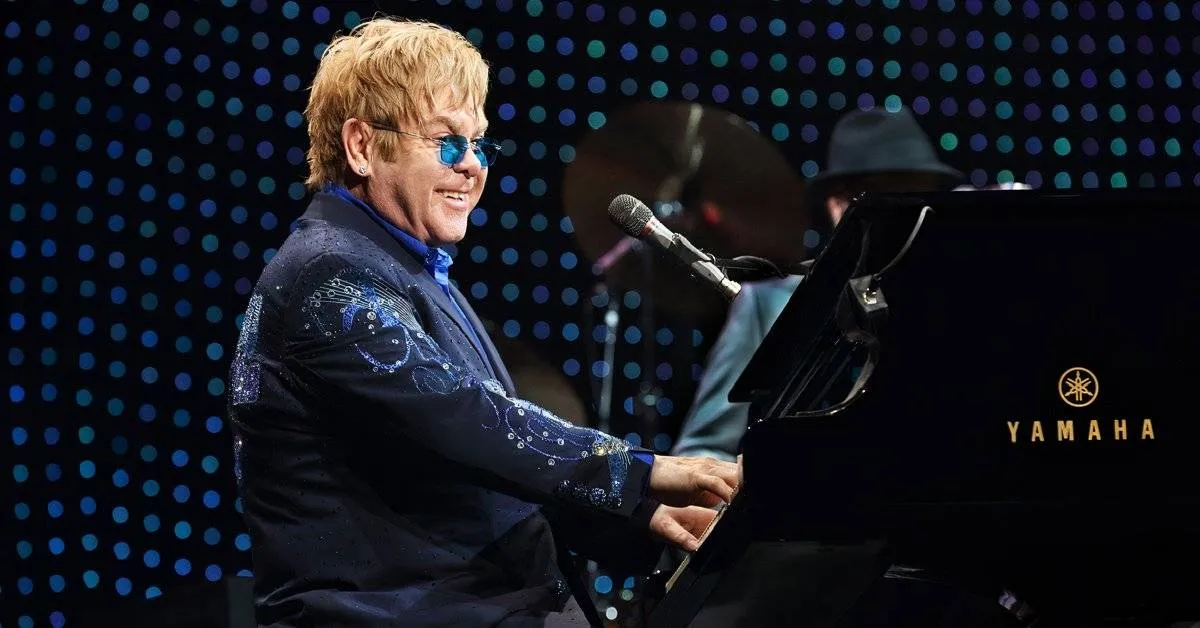 Photo: Elton John, via static1.therichestimages.com
Nine hundred million dollars.
For a goodbye.
If that doesn't tell you everything you need to know about the economics of the celebrity farewell, nothing will.
The Word 'Final' Has No Legal Definition in Show Business
This is not a metaphor. There is no industry body, no contractual standard, no consumer protection framework that governs what a celebrity is allowed to call their last project. 'Final.' 'Farewell.' 'The last time.' These are marketing adjectives. They carry approximately the same legal weight as 'artisanal' on a bag of chips.
And the industry knows it. Labels know it. Studios know it. Promoters absolutely know it. The farewell is not a promise — it's a positioning tool, one that creates a specific emotional urgency in the audience that no regular tour or album rollout can replicate.
Scarcity is one of the oldest sales mechanics in existence. The farewell tour is just scarcity applied to a human being.
The Psychology of the Permanent Goodbye
Why does it work? Every time, reliably, across genres and generations and fan demographics that should theoretically know better by now — why does the farewell announcement still move tickets and units the way it does?
The short answer is that fans aren't buying a concert. They're buying a memory. The farewell frame transforms a live show from entertainment into an event — something that, if missed, cannot be recovered. The fear of missing out on a genuine ending is powerful enough to override the very reasonable suspicion that the ending might not be genuine at all.
There's also a parasocial dimension that doesn't get discussed enough. For many fans, a beloved artist's retirement feels like a personal loss — something closer to grief than disappointment. The farewell tour gives that grief a container, a ritual, a place to process the feeling. Fans aren't being irrational. They're responding to something emotionally real. The industry has simply learned to monetize it.
The Pattern Is Older Than You Think
Frank Sinatra retired in 1971. He was back on stage by 1973. Cher has been on a farewell tour, by various counts, since approximately the Clinton administration. Jay-Z announced his retirement in 2003 with The Black Album and has released six studio albums since. Even in film, the 'final role' announcement has a remarkable track record of not being final — actors who declared themselves done with franchises have a tendency to reappear when the offer is right and the nostalgia is ripe.
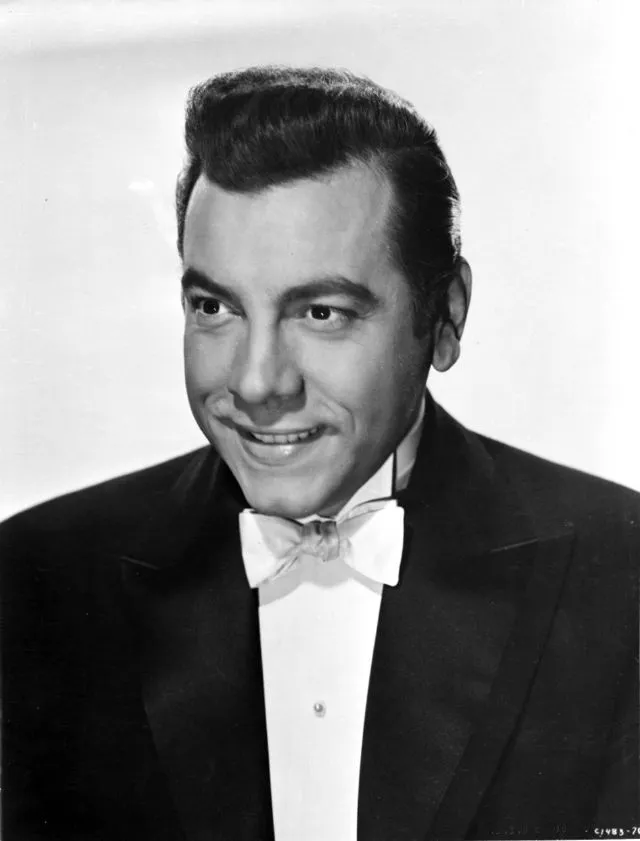 Photo: Frank Sinatra, via blogger.googleusercontent.com
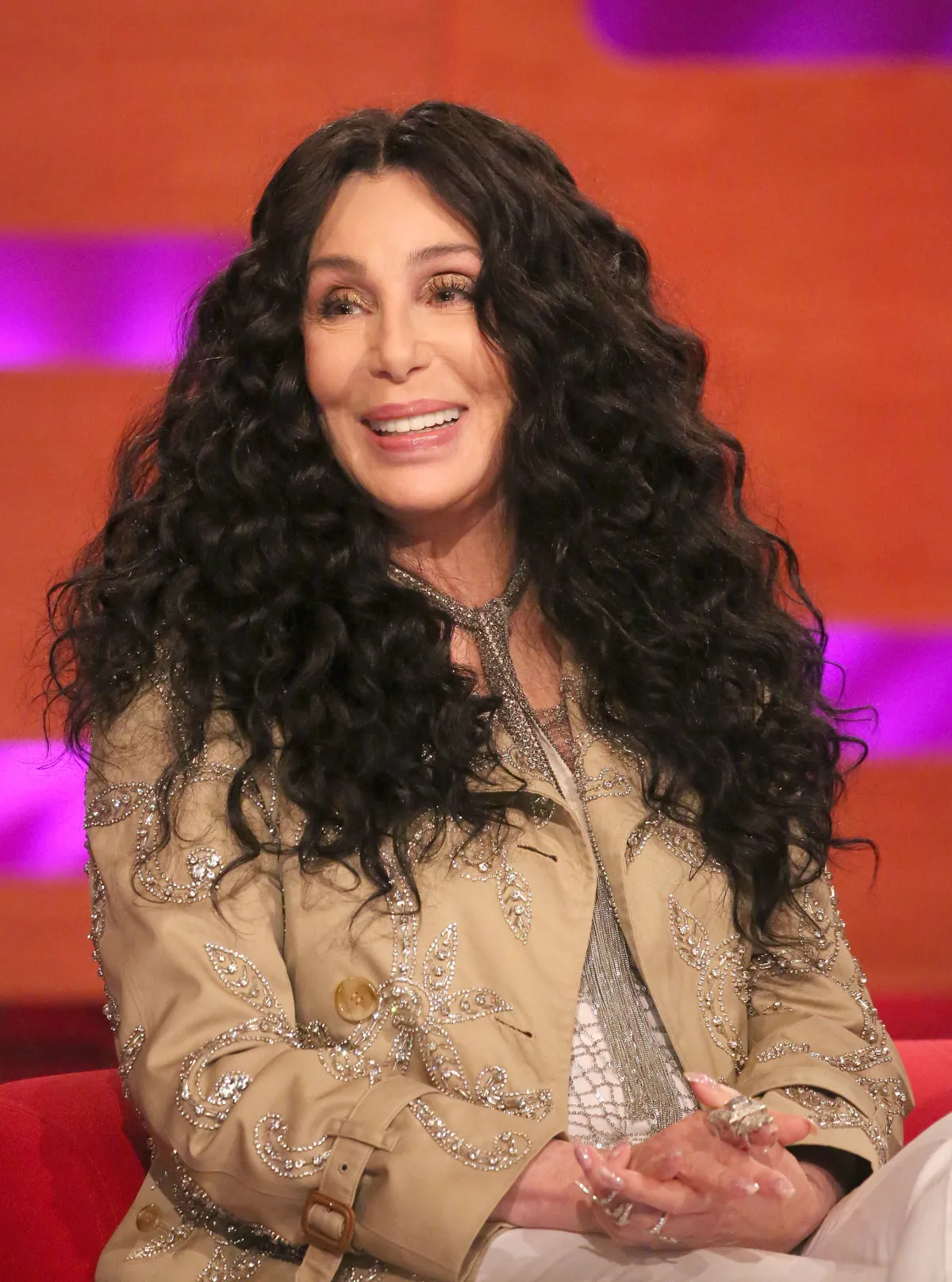 Photo: Cher, via static.independent.co.uk
This is not a new phenomenon. What's new is the scale, the sophistication, and the complete absence of embarrassment with which the cycle now repeats itself.
In previous decades, the un-retirement carried at least a faint whiff of awkwardness — a sense that the artist owed the audience some acknowledgment of the reversal. Today, the return is often just as elaborately marketed as the departure, with its own emotional narrative: The world needed me back. You called me back. How could I say no?
It's not a U-turn. It's a sequel.
The Label and Studio Incentive Structure
Here's where it gets interesting from a business perspective. The perpetual farewell isn't just tolerated by the industry — it's actively encouraged, because it serves institutional interests that have nothing to do with artistic integrity.
For record labels, a farewell album triggers a specific kind of media coverage and consumer behavior that a regular release simply cannot. The retrospective profiles, the career-spanning playlist curation, the 'ranking their albums' discourse — all of it functions as free promotion. Legacy artists on farewell cycles often outperform their recent catalog in streaming numbers simply because the goodbye prompts new listeners to go back to the beginning.
For live promoters, the farewell tour is the ultimate high-margin event. Premium ticket pricing is easier to justify when the show is framed as a once-in-a-lifetime experience. VIP packages sell faster. Merchandise moves at a different velocity. The emotional stakes of the farewell create a consumer who is less price-sensitive than usual — and promoters price accordingly.
The Fan Contract Nobody Signed
There's a reasonable argument that nobody is actually being deceived here. Fans have watched this cycle long enough to understand the terms, even if those terms are never explicitly stated. The farewell is a performance within the performance — a shared fiction that both parties agree to sustain because the alternative (a regular tour with regular ticket prices and no emotional urgency) is less exciting for everyone involved.
But there's something slightly uncomfortable about normalizing 'final' as a word that means nothing. Language still matters, even in entertainment. When everything is the last time, nothing is.
And the artists who do actually retire — who say goodbye and mean it, who resist the financial and ego pressure to come back — tend to be treated as anomalies rather than the standard. Which tells you something about what the standard actually is.
What Comes Next
The next farewell announcement is probably already in production somewhere. A stadium tour being quietly mapped. A 'final album' being mixed. A press release being drafted that will use the word 'legacy' at least four times.
And when it drops, tickets will sell. Because even knowing the game, there's a part of every fan that thinks: but what if this time they actually mean it?
That's not naivety. That's hope. And hope, it turns out, is the most reliably monetizable emotion in the entertainment industry.
The only thing more certain than a celebrity's final farewell is the announcement of the one after that — and honestly, at this point, we'd be disappointed if there wasn't one.