The Casting Announcement That Broke the Internet: Inside the Fan Revolt That Actually Changed a Movie
In 2019, when Paramount announced that James Corden would voice Peter Rabbit in the live-action sequel, the internet collectively lost its mind. Within 48 hours, #NotMyPeterRabbit was trending globally, fan petitions had gathered 200,000 signatures, and entertainment blogs were running daily countdown clocks to the film's box office doom. Six weeks later, Paramount quietly announced a "creative restructuring" that saw Corden's role significantly reduced. The fans had won — sort of.
 Photo: James Corden, via images.hellomagazine.com
Welcome to the era where casting announcements can make or break a film before a single frame is shot, and where passionate fanbases have discovered they actually can change Hollywood's mind. Sometimes.
The Anatomy of a Fan Revolt
The modern fan campaign follows a predictable pattern that studios are still learning to navigate. It starts with the casting announcement, usually dropped on a Tuesday morning to maximize entertainment news cycle coverage. Within hours, fan communities on Reddit, Twitter, and TikTok have mobilized, creating hashtags, petition drives, and elaborate comparison videos explaining why the choice is "completely wrong for the character."
What separates successful fan campaigns from the noise is organization and specific demands. The most effective revolts don't just express outrage — they provide detailed alternatives, reference source material, and create content that demonstrates deep knowledge of the property. When fans organized against Ben Affleck's Batman casting in 2013, they didn't just complain; they created side-by-side comparisons with comic panels, analyzed his previous roles, and presented alternative actor suggestions with detailed reasoning.
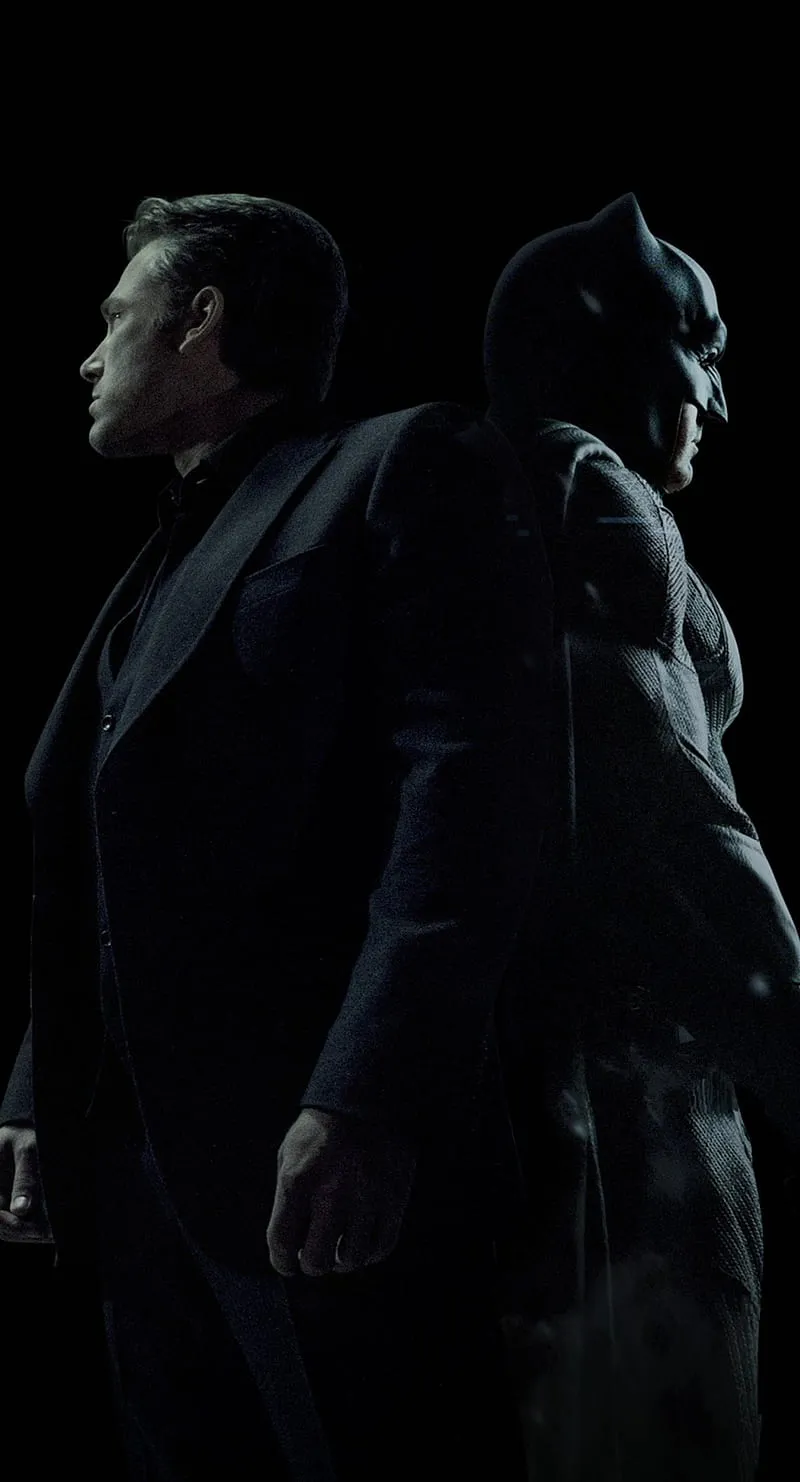 Photo: Ben Affleck, via w0.peakpx.com
When Fan Power Actually Works
The truth is, successful fan revolts are rarer than social media makes them appear. For every James Corden situation, there are dozens of campaigns that generate headlines but change nothing. The key factors that determine success often have more to do with timing and money than fan passion.
Casting changes are most likely when they happen early in pre-production, before significant money has been spent on costumes, marketing materials, or script rewrites tailored to specific actors. The infamous Sonic the Hedgehog redesign wasn't technically a casting change, but it followed the same principle — fan backlash during the trailer phase, when visual changes were still financially feasible.
Studios are also more responsive when the property has a built-in fanbase that directly translates to box office dollars. Disney learned this lesson with their live-action adaptations, where casting choices for beloved animated characters generate immediate and passionate responses from audiences who've been emotionally invested in these stories since childhood.
The Dark Side of Fan Democracy
Not all fan campaigns are created equal, and the line between passionate advocacy and harassment culture has become increasingly blurred. Some of the most vocal casting revolts have been rooted in problematic attitudes about race, gender, or physical appearance rather than legitimate concerns about acting ability or character interpretation.
The backlash against Halle Bailey's casting as Ariel in The Little Mermaid revealed the ugly underbelly of fan activism, where "staying true to the source material" became a thin disguise for racist harassment. Similarly, campaigns against female-led reboots often focus more on gender politics than actual filmmaking concerns.
 Photo: Halle Bailey, via static1.moviewebimages.com
Industry insiders note that studios now have to distinguish between legitimate fan concerns and organized harassment campaigns, often by looking at the specific language being used and whether the criticism focuses on professional qualifications or personal characteristics.
The Pre-Emptive Strike Strategy
Smart studios have started conducting informal "fan temperature checks" before major casting announcements, using focus groups, social media monitoring, and fan convention feedback to gauge potential reactions. This isn't official polling — it's more like strategic eavesdropping on fan communities to identify potential landmines.
Some productions now soft-launch casting news through "insider scoops" and entertainment blog speculation, allowing them to gauge fan reaction before making official announcements. If the response is overwhelmingly negative, they can always claim the reports were "premature" or "inaccurate" while quietly reconsidering their choices.
The Economics of Fan Appeasement
From a business perspective, studios are caught between appealing to vocal fan communities and reaching broader mainstream audiences who might not care about casting orthodoxy. The challenge is that passionate fans often represent a small but loud minority of the total audience, while casual viewers — who ultimately determine box office success — rarely engage in casting campaigns at all.
This creates a strange dynamic where studios sometimes make changes to appease fans who were going to see the movie anyway, while potentially alienating the mainstream audiences they actually need to reach profitability. It's why some executives privately refer to fan campaigns as "expensive noise" — they generate headlines and require response resources, but don't necessarily translate to better box office performance.
The Influence Arms Race
As fan campaigns have become more sophisticated, so have the counter-strategies. Studios now employ social media teams specifically trained to handle casting backlash, with prepared response strategies and damage control protocols. Some have started partnering with influencer networks to generate positive content that can compete with negative fan reactions.
Meanwhile, fan communities have developed their own professional-level organization, with dedicated campaign coordinators, media outreach strategies, and cross-platform messaging coordination. The most successful fan campaigns now look remarkably similar to actual political movements, complete with talking points, designated spokespeople, and strategic timing.
The Future of Fan Democracy
The casting revolt phenomenon has fundamentally changed how Hollywood approaches major announcements, even when changes aren't ultimately made. Studios now factor potential fan reaction into casting decisions from the beginning, sometimes ruling out actors not because of their ability, but because of anticipated backlash.
This has created an interesting feedback loop where fan preferences increasingly influence casting choices before campaigns even become necessary. The most successful fan revolts might be the ones that never happen — because studios have already learned to avoid the casting choices that would trigger them.
As streaming platforms continue to adapt beloved properties for new audiences, the tension between fan expectations and creative freedom will only intensify. The question isn't whether fan campaigns will continue to influence Hollywood — it's whether that influence will push the industry toward better storytelling or just safer, more predictable choices that never risk upsetting anyone.