The Retirement Bluff: Why Every Celebrity Farewell Tour Is Really Just an Intermission

Cher announced her farewell tour in 2002. Twenty-two years later, she's still saying goodbye — and somehow, we're all still showing up to watch her do it. Welcome to Hollywood's most enduring con: the retirement announcement that's really just a very expensive intermission.
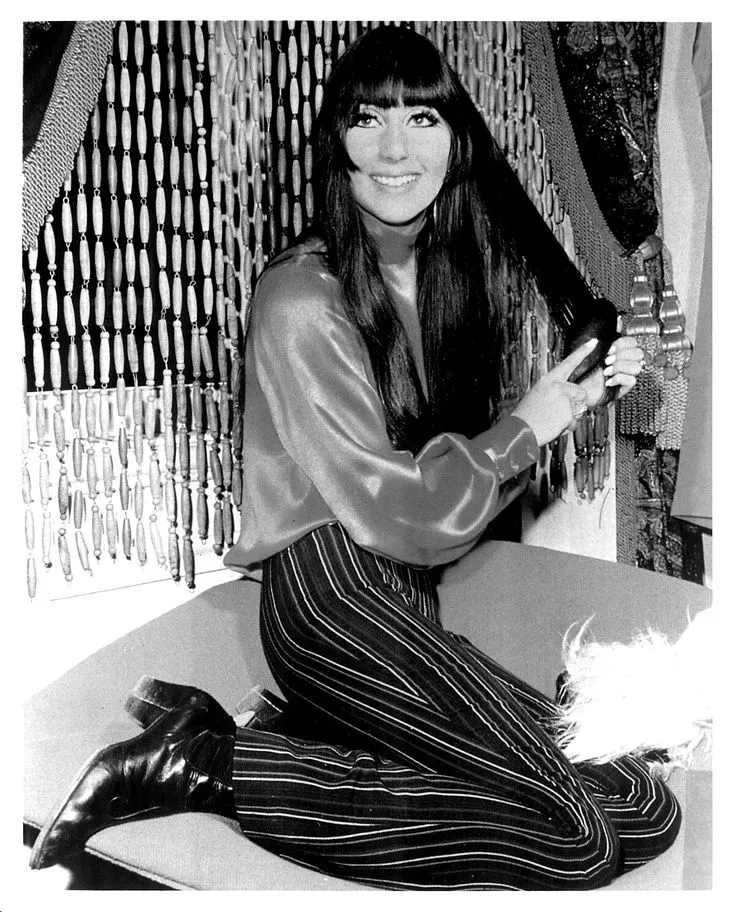 Photo: Cher, via i.pinimg.com
The Goodbye That Never Comes
Last month, another A-lister declared they were "stepping back" from the spotlight, citing burnout and a desire for privacy. Give it eighteen months, and they'll be back with a Netflix deal and a press tour explaining how they "couldn't stay away from what they love." It's become so predictable that entertainment journalists have started betting pools on comeback timelines.
The retirement bluff isn't new — it's just gotten more sophisticated. What used to be genuine career transitions have morphed into calculated marketing moves designed to squeeze every last dollar out of audience nostalgia and FOMO. When Jay-Z announced The Black Album as his "final" solo record in 2003, fans rushed to buy what they thought was hip-hop history. Three years later, he was back with Kingdom Come, and nobody seemed particularly surprised.
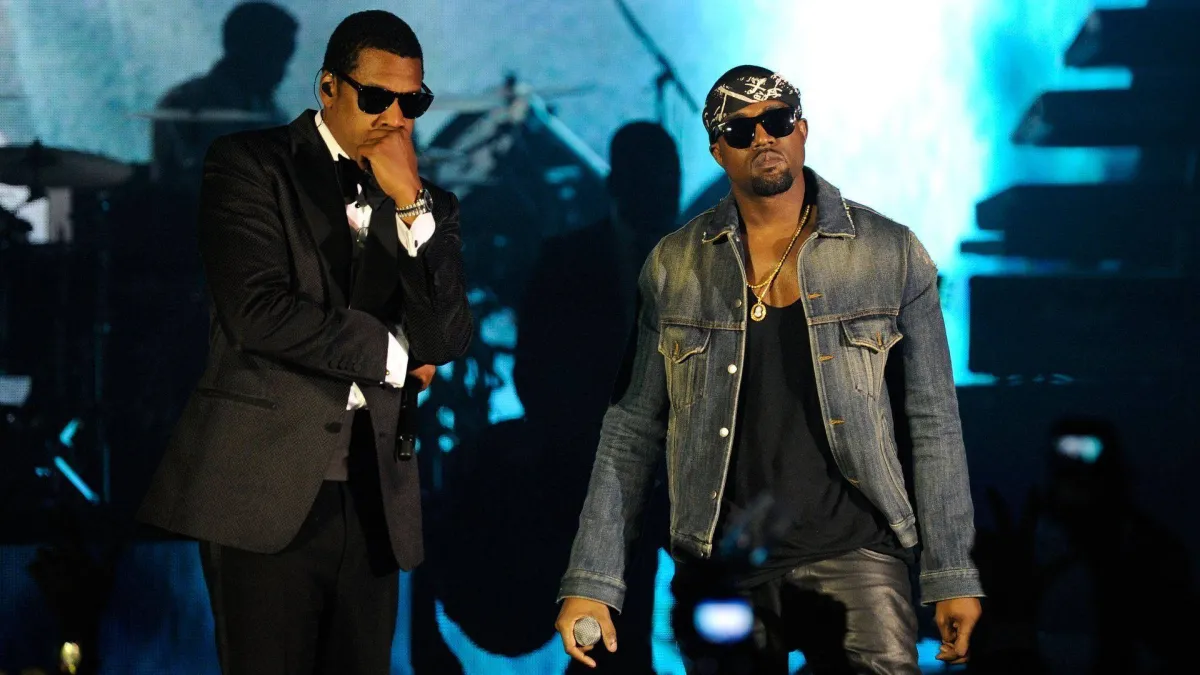 Photo: Jay-Z, via wallpapers.com
The Economics of Farewell
There's a reason why "farewell" tours consistently outsell regular tours by 30-40%. Nothing drives ticket sales quite like the fear that you're witnessing something for the last time. Elton John's current "Farewell Yellow Brick Road" tour has grossed over $800 million worldwide — making it one of the highest-grossing tours in history. The psychological trigger is simple: scarcity creates value, even when that scarcity is entirely manufactured.
Music industry insiders have started calling it "retirement economics." The announcement itself becomes a marketing campaign that can run for years. First comes the initial shock and media coverage, then the "final" album or tour announcement, followed by months of "last chance" promotional messaging. By the time the actual farewell happens, you've essentially run three separate marketing cycles for the same product.
The Hollywood Retirement Playbook
Actors have their own version of this game. How many times has Hugh Jackman "retired" from playing Wolverine? Each announcement generated massive headlines and speculation about his replacement, driving up interest in what fans believed were his final X-Men appearances. When he inevitably returns — and he will — the comeback story becomes just as valuable as the farewell.
The pattern is so established that publicists now have template strategies for retirement announcements. Step one: cite creative fulfillment and wanting to "explore new challenges." Step two: emphasize gratitude to fans while hinting this might be goodbye. Step three: leave just enough wiggle room for a "special project" that could lure them back. Step four: wait for the right offer.
The Audience That Enables the Bluff
Here's the uncomfortable truth: we're all complicit in this charade. Despite knowing that most celebrity retirements are temporary, audiences continue to respond with the same urgency and emotional investment. Part of it is genuine affection for performers who've been part of our cultural landscape for decades. But there's also something deeper at play — we want to believe in the myth of the graceful exit, even when all evidence suggests otherwise.
Social media has amplified this dynamic. Retirement announcements now generate weeks of trending hashtags, tribute videos, and speculation threads. The conversation itself becomes valuable content, extending the marketing reach far beyond traditional media coverage. When Barbra Streisand hints at a final tour, Twitter explodes with memories and bucket list declarations, creating organic promotion that money can't buy.
The Comeback Industrial Complex
The flip side of retirement theater is the comeback narrative, which has become equally formulaic. After the appropriate amount of time away — usually just long enough for fans to start missing them — comes the "I've been creatively recharged" interview circuit. The story writes itself: they needed the break, they're grateful for the rest, but they simply couldn't resist this particular project.
Netflix and streaming platforms have become the primary enablers of this cycle. They offer the perfect low-stakes comeback vehicle — a documentary series, a limited run show, or a "passion project" film that allows celebrities to return without the pressure of a full-scale career relaunch. It's retirement with benefits: you get the farewell attention and the comeback story without ever really leaving.
When Retirements Actually Stick
Of course, some celebrities do actually retire and stay retired. But they're usually the ones who slip away quietly, without farewell tours or announcement campaigns. They simply stop taking projects, decline interviews, and fade from public view. The irony is that genuine retirements rarely get the fanfare, while the fake ones get red carpet send-offs.
The entertainment industry has trained us to view retirement as just another career phase rather than an actual ending. In a business built on reinvention and second acts, the idea of a permanent goodbye feels almost quaint.
The Next Act
As audiences become more media-savvy, some celebrities are adapting their approach. Instead of dramatic retirement announcements, we're seeing more "indefinite hiatus" language or "stepping back to focus on family" statements. It's retirement-adjacent messaging that provides the same scarcity marketing without the credibility issues of an outright farewell that everyone knows is temporary.
The retirement bluff will continue because it works — for the celebrities banking on nostalgia economics and for audiences who prefer the comfortable fiction of meaningful endings in an industry that never really lets anyone leave. We all know the farewell tour is really just intermission, but we keep buying tickets anyway, because sometimes the most entertaining part of show business is pretending it might actually end.