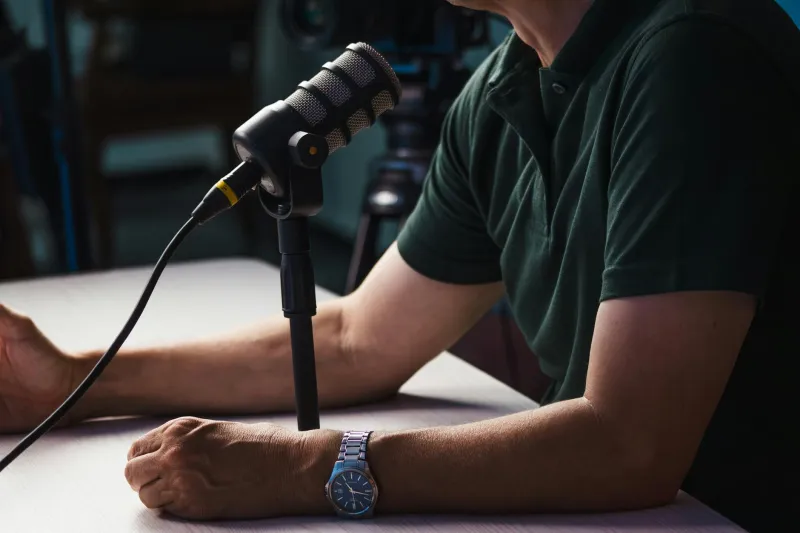
The New Damage Control Playbook
Remember when celebrities used to disappear for a while after a scandal, maybe resurface with a carefully crafted statement through their publicist, and hope the internet moved on to the next shiny object? Those days are deader than flip phones and low-rise jeans. Welcome to the era of the immediate podcast confessional, where every fallen star, cancelled creator, or "mutually parted ways" celebrity suddenly develops an urgent need to "share their truth" with a sympathetic host and a Ring light.
The formula has become so predictable you could set your watch to it: Celebrity gets fired/cancelled/exposed → Radio silence for exactly 72 hours → Strategic podcast booking appears → Tears flow on cue → Narrative successfully reframed before the other party can lawyer up for a response.
From Magazine Exclusives to Microphone Meltdowns
There was a time when the post-scandal celebrity interview was an art form. Think Oprah's couch, Barbara Walters' penetrating stare, or even a carefully orchestrated sit-down with People magazine. These interviews took weeks to arrange, involved teams of publicists, and came with the implicit understanding that tough questions would be asked.
 Photo: Barbara Walters, via bonhams.shorthandstories.com
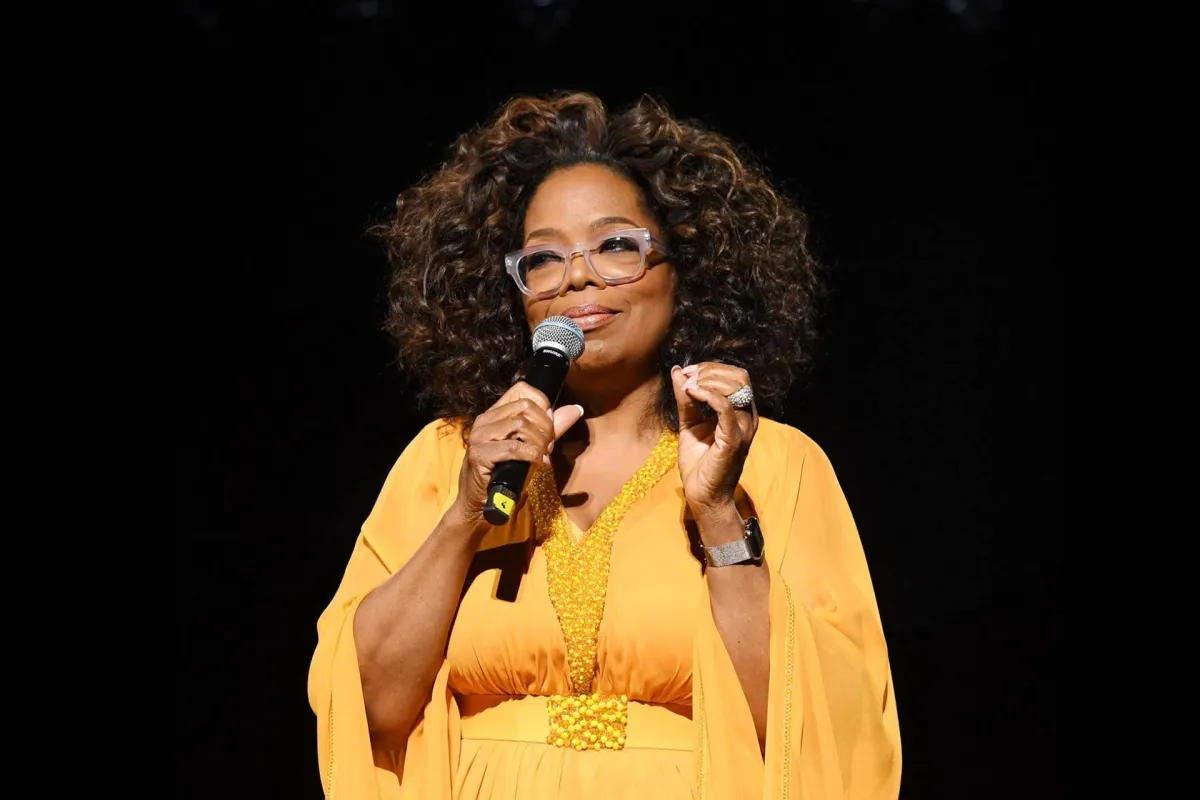 Photo: Oprah, via wallpapers.com
Now? Any celebrity with a scandal and a smartphone can slide into the DMs of a podcast host who's hungry for downloads and book themselves a two-hour therapy session disguised as an interview. The barrier to entry is essentially zero, the editorial oversight is minimal, and the host often has more to gain from a viral moment than from actual journalism.
The podcast confessional offers something traditional media never could: complete narrative control. No surprise questions, no fact-checkers calling sources, and most importantly, no time limit on the sob story. When you've got two hours to fill and a host who's already bought into your victim narrative, you can really work that redemption arc.
The Anatomy of a Strategic Breakdown
Let's be real about what we're watching here. These aren't spontaneous emotional moments – they're carefully orchestrated PR campaigns with production values that would make Netflix jealous. The timing is always suspiciously perfect: just late enough to seem "authentic" but early enough to control the narrative before the news cycle moves on.
 Photo: Netflix, via images.ctfassets.net
The talking points are remarkably consistent across different celebrities and different scandals. There's always the moment of "taking accountability" (while somehow making it clear they're actually the victim). There's the strategic vulnerability – just enough tears to seem human, but not so many that they look unhinged. And there's always, always the pivot to how this experience has made them "grow as a person."
The hosts, meanwhile, have figured out that playing therapist gets more downloads than playing journalist. Why ask the hard questions when you can just nod sympathetically and let the celebrity monologue their way back to relevance?
The Business Behind the Breakdown
Here's what's really happening behind the scenes: This isn't just celebrities going rogue and spilling their feelings. There's a whole ecosystem of PR professionals, podcast bookers, and reputation management firms who've identified the podcast circuit as the new frontier of damage control.
Some publicists now have dedicated "podcast specialists" whose entire job is maintaining relationships with hosts who are willing to provide a friendly forum for their clients' redemption stories. These aren't the hard-hitting investigative podcasters – these are the ones who've built their brands on being "authentic" and "empathetic," which in PR speak translates to "will ask softball questions and provide tissues on demand."
The economics make sense for everyone involved. The celebrity gets to control their narrative without the traditional media gatekeepers. The podcast gets massive download spikes and social media buzz. The PR team gets to charge premium rates for "crisis management." It's a win-win-win situation, except for anyone who actually cares about accountability or truth.
When Audiences Start Clocking the Game
But here's the thing about formulas – once people recognize them, they stop working. Social media is already full of users pointing out the suspicious timing of these podcast appearances, creating bingo cards for common talking points, and generally treating the whole thing like the performance art it's become.
The comments sections under these podcast episodes tell a different story than the sympathetic hosts might suggest. Audiences are getting savvier about recognizing manufactured vulnerability and strategic emotional manipulation. They're asking why someone who claims to want privacy is doing a two-hour tell-all interview, or why someone who says they're "taking accountability" spends the entire time explaining why everything was actually someone else's fault.
The Oversaturation Problem
Like any good PR strategy, the podcast confessional is rapidly approaching its expiration date due to overuse. When every cancelled celebrity follows the exact same playbook, the strategy stops feeling authentic and starts feeling desperate. The market is becoming oversaturated with tearful redemption stories, and audiences are developing immunity to the format.
Plus, there's the uncomfortable reality that not every scandal deserves a redemption arc, and not every cancelled celebrity is actually the victim of their own story. But the podcast confessional format treats all grievances as equally valid, creating a false equivalency between someone who made a genuine mistake and someone who engaged in genuinely harmful behavior.
What Comes After the Confessional
The real test of these podcast confessionals isn't whether they generate headlines or downloads – it's whether they actually lead to career rehabilitation. And increasingly, the answer seems to be no. Audiences might tune in for the drama, but they're not necessarily buying the redemption story being sold.
The celebrities who've successfully navigated scandals in recent years haven't been the ones crying on podcasts – they've been the ones who quietly did the work, made genuine amends, and let their actions speak louder than their podcast appearances.
The Future of Celebrity Damage Control
As audiences become more sophisticated about recognizing these PR strategies, celebrities and their teams will need to evolve their approach. The podcast confessional might be the current meta, but like all trends in the attention economy, it's already showing signs of diminishing returns.
The smart money is on a return to actually addressing issues substantively rather than performatively – but then again, that would require celebrities to prioritize genuine accountability over narrative control, and we all know how likely that is.