The Art of the 'Accidental' Photo Op
You know the drill: your favorite pop star gets photographed looking absolutely stunning while "casually" grabbing iced coffee in West Hollywood, conveniently the same day their ex releases a tell-all interview. Or maybe it's that "random" paparazzi shot of an A-lister looking mysteriously happy and glowing, only for pregnancy rumors to be confirmed three days later. Coincidence? Absolutely not.
Welcome to the publicist pivot — the entertainment industry's worst-kept secret that somehow still works like a charm. Every single time.
The Playbook: Timing Is Everything
The formula is deceptively simple: create a narrative through strategic "candid" moments that feel organic but are actually more choreographed than a Super Bowl halftime show. The key is timing these photo ops to either distract from negative press, build anticipation for upcoming projects, or control the conversation around personal drama.
Take the classic post-breakup coffee run. Within 48 hours of any major celebrity split announcement, you can practically set your watch by the appearance of photos showing the "wronged" party looking absolutely radiant while doing something relatable like buying groceries or walking their dog. The message is clear: I'm thriving, unbothered, and definitely not crying into a pint of Ben & Jerry's like the rest of us would be.
The airport strut is another fan favorite. Nothing says "I'm booked and busy" quite like getting photographed in a perfectly curated "off-duty" look while catching a flight. Bonus points if it's the day before a major announcement or album drop. The subtext practically screams: "I'm so in-demand I'm literally jet-setting to my next fabulous opportunity."
The Tell-Tale Signs
Once you know what to look for, staged paparazzi shots become glaringly obvious. The lighting is too perfect for a "random" street encounter. The outfit is too coordinated for someone who supposedly just threw on whatever was closest. The timing aligns too perfectly with their publicity calendar.
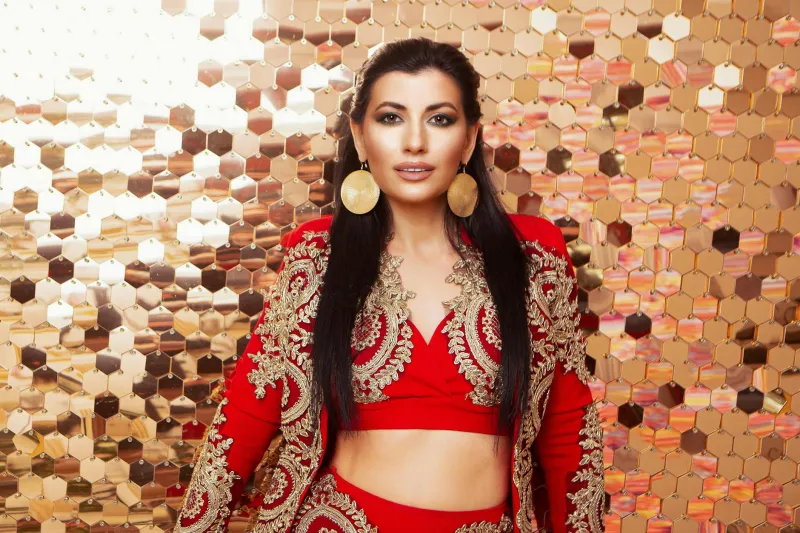
Real paparazzi shots often catch celebrities looking... well, human. Unflattering angles, wrinkled clothes, genuine surprise at being photographed. But the staged variety? Everyone looks like they just stepped off a magazine cover, complete with perfect hair and strategically placed designer accessories.
The location choices are another dead giveaway. Certain spots in Los Angeles and New York have become notorious celebrity photo op locations — places where paparazzi are guaranteed to be lurking and the lighting is consistently flattering. It's no accident that the same coffee shop in Beverly Hills keeps appearing in "candid" celebrity photos.
The Psychology Behind Why It Works
Here's the thing: we know it's staged, and we consume it anyway. There's something oddly satisfying about feeling like we're getting a glimpse into a celebrity's "real" life, even when that reality is carefully curated. It feeds our desire for authenticity while still maintaining the aspirational fantasy that makes celebrity culture so addictive.
Social media has only amplified this phenomenon. Now celebrities can control their own narrative through Instagram posts and paparazzi photos, creating a multi-platform approach to image management. The "candid" paparazzi shot gets posted to gossip blogs and fan accounts, while the celebrity's own social media maintains plausible deniability about seeking attention.
The Evolution of the Game
The publicist pivot has evolved significantly in the digital age. What used to be limited to traditional tabloids and entertainment shows now spreads instantly across social media platforms, reaching millions of people within hours. The stakes are higher, but so is the potential payoff.
Celebrities and their teams have also gotten more sophisticated about reading the room. They know when to deploy the "thriving after drama" photo shoot versus the "humble and relatable" grocery store run. It's all about matching the energy to the moment and the audience's expectations.
The Future of Fake Candids
As audiences become more media-savvy, celebrities are having to work harder to make their staged moments feel authentic. Some have started embracing the artifice, almost winking at their audience about the performative nature of it all. Others have doubled down on the illusion, investing in more elaborate setups to maintain the facade.
The rise of TikTok and short-form video content has also created new opportunities for "spontaneous" celebrity content. Now we get "candid" behind-the-scenes clips and "unfiltered" moments that are just as carefully produced as traditional paparazzi photos.
The Bottom Line
At the end of the day, the publicist pivot works because it gives us what we want: the illusion of access to celebrity lives combined with aspirational content that makes us feel like we're part of the story. We're not just passive consumers; we're active participants in a collective fantasy.
So the next time you see a perfectly timed "candid" celebrity photo, remember: you're not witnessing a spontaneous moment — you're watching a master class in modern publicity, and honestly? The choreography is kind of impressive.