The Price of Pretend Friendship
Remember when celebrity worship was free? Those days are officially over. In 2024, your favorite stars have discovered something more valuable than box office receipts or streaming numbers: your desperate need to feel personally connected to them. And they're charging admission.
From Emma Chamberlain's $4.99 monthly newsletter where she shares "unfiltered thoughts" to Bella Thorne's OnlyFans empire that reportedly earned her $1 million in 24 hours, celebrities have cracked the code on monetizing intimacy. The result? A booming economy built entirely on the illusion of closeness, where fans willingly pay premium prices for what amounts to a curated performance of authenticity.
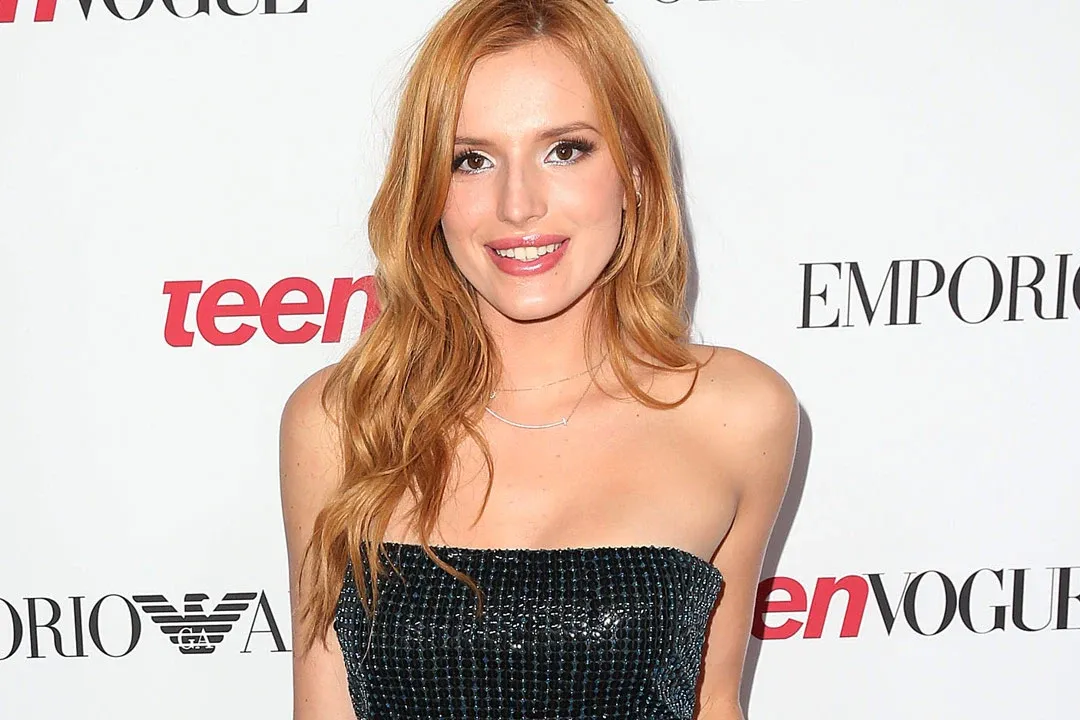 Photo: Bella Thorne, via townsquare.media
 Photo: Emma Chamberlain, via wallpapers.com
The Subscription to Your Soul
The numbers are staggering. Cameo, the platform where celebrities record personalized video messages, has facilitated over 5 million bookings since 2017. A 30-second birthday message from a Real Housewife costs $150. A pep talk from a former Bachelor contestant? $75. Even D-list TikTokers are charging $25 for the privilege of hearing them say your name.
But the real money isn't in one-off videos — it's in ongoing subscriptions. Patreon, originally designed for artists and creators, now hosts everyone from podcast hosts to reality TV alumni offering "exclusive content" for monthly fees ranging from $5 to $500. The top tier usually promises "direct access" to the creator, which typically means the occasional generic response to comments or a monthly group video call with 200 other paying "friends."
The Psychology of Paid Parasocial Relationships
Dr. Alice Marwick, a researcher who studies internet culture, explains the appeal: "These platforms offer the fantasy of reciprocal relationship without the actual demands of real friendship." Fans get to feel special and chosen, while celebrities get to monetize that feeling without the messy complications of genuine human connection.
The genius lies in the tiered system. Basic followers get Instagram posts and TikToks. Premium subscribers get "behind-the-scenes" content. Top-tier supporters get "personal" messages and "exclusive" access. Each level creates the illusion of increasing intimacy while maintaining carefully constructed boundaries.
Influencer Tana Mongeau's Patreon perfectly illustrates this model. For $5, supporters get "exclusive vlogs." For $25, they receive "personal updates and voice messages." The $100 tier promises "FaceTime calls" — though subscribers quickly discover these are group calls with hundreds of other fans, each believing they're part of an exclusive inner circle.
The Authenticity Industrial Complex
What makes this particularly insidious is how these platforms weaponize vulnerability. Celebrities share "raw" moments, "unfiltered" thoughts, and "real" struggles — all carefully curated and packaged for maximum emotional impact. The more authentic they appear, the more valuable the access becomes.
Bella Hadid's recent newsletter launch exemplifies this trend. For $9.99 monthly, subscribers receive "intimate thoughts on mental health, fashion, and life." The marketing promises "the real Bella, unedited and honest." But followers aren't getting actual intimacy — they're purchasing a performed version of it, complete with professional photography and carefully crafted vulnerability.
 Photo: Bella Hadid, via designformal.com
When Fans Become ATMs
The most troubling aspect isn't that celebrities are charging for access — it's how effectively they've convinced fans that paying for this access is somehow empowering. Subscription platforms market themselves as "supporting your favorite creators," framing financial transactions as acts of loyalty and friendship.
This messaging is particularly effective with younger demographics who've grown up with social media. Gen Z fans, raised on the idea that following someone's daily life creates genuine connection, are especially susceptible to platforms that promise to deepen that relationship for a monthly fee.
The Economics of Emotional Labor
From a business perspective, it's brilliant. Traditional celebrity income streams — movies, music, endorsements — require significant investment and carry substantial risk. Parasocial monetization has virtually no overhead. A celebrity can earn six figures annually by posting occasional videos to a private Instagram account or sending monthly voice messages to paying subscribers.
The profit margins are extraordinary. Once the initial content is created, it can be packaged and sold to thousands of fans simultaneously. A single "intimate" video diary can generate tens of thousands of dollars with minimal additional effort.
The Illusion of Intimacy
Perhaps most importantly, these platforms exploit a fundamental human need for connection during an era of increasing social isolation. The COVID-19 pandemic accelerated this trend, as people sought digital relationships to replace real-world interactions. Celebrities stepped into this void, offering paid friendship to anyone willing to subscribe.
But this commodified intimacy comes with hidden costs. Fans report feeling more disconnected after subscribing to celebrity content, not less. The transactional nature of the relationship becomes impossible to ignore once money changes hands. The fantasy of genuine connection crumbles when confronted with the reality of a monthly charge on your credit card statement.
The New Normal
As this model becomes standard across entertainment, we're witnessing the complete commodification of celebrity-fan relationships. What was once free — the basic human pleasure of admiring someone from afar — now comes with a price tag.
The most successful practitioners of parasocial monetization understand that they're not selling content; they're selling the feeling of being chosen, special, and loved by someone famous. And as long as fans are willing to pay for that feeling, celebrities will continue cashing those checks.
The real question isn't whether this trend will continue — it's whether we'll eventually recognize that the most authentic thing about these "authentic" relationships is how authentically transactional they really are.