The Performance Behind the Performance
Every January, as the entertainment world collectively loses its mind over snubs and surprises, there's one truth nobody wants to acknowledge: those Oscar nominations didn't just happen. They were bought, sold, and strategically orchestrated by an industry that makes political campaign managers look like amateur hour.
Welcome to the Academy Awards' dirty little secret — the multi-million dollar influence machine that determines which performances get remembered and which get conveniently forgotten. And honey, the best acting of awards season isn't happening on screen.
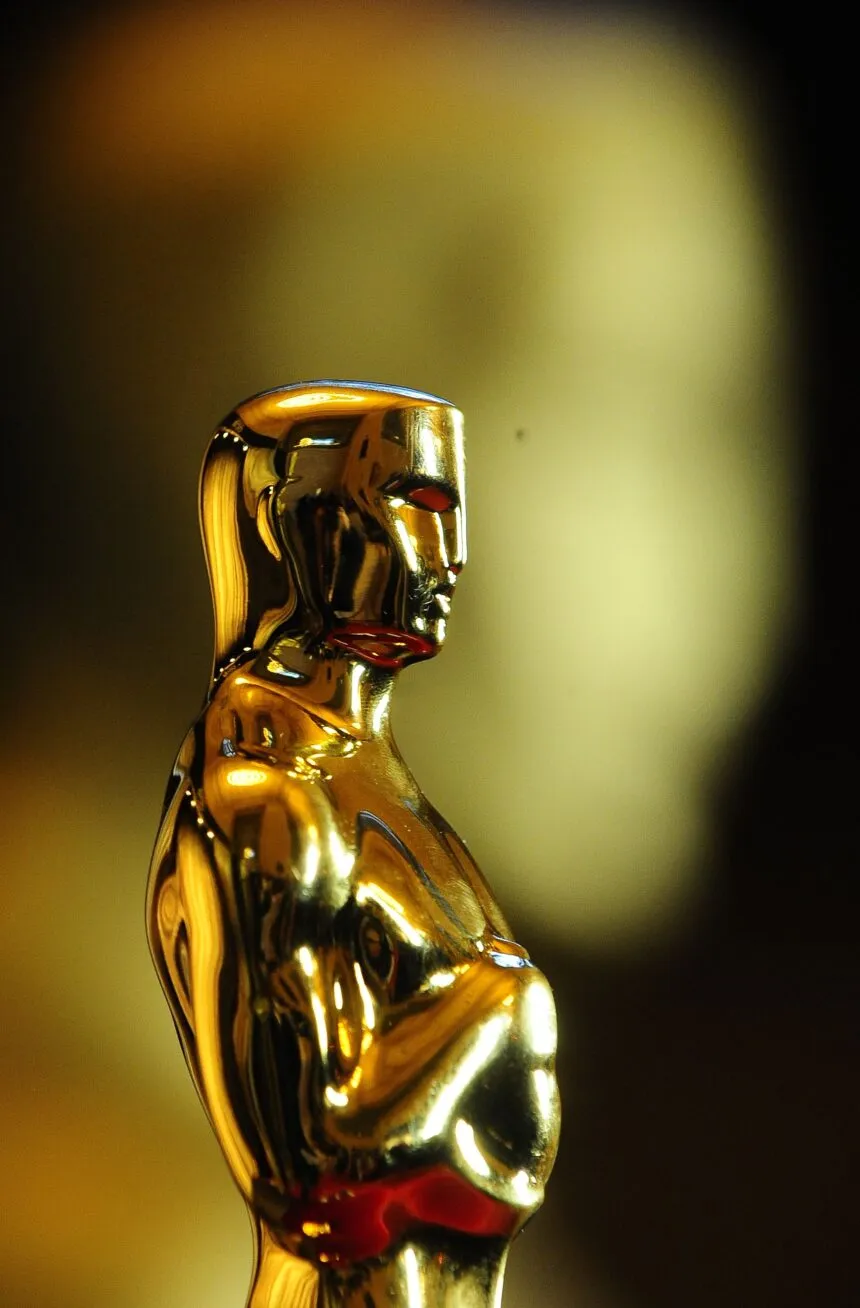 Photo: Academy Awards, via ktvz.b-cdn.net
The Price of Gold
Let's talk numbers, because in Hollywood, everything comes down to the bottom line. A typical Oscar campaign for a major studio contender runs anywhere from $5 to $20 million. That's not a typo. Netflix reportedly spent $25 million campaigning for "Roma" in 2018. Disney dropped an estimated $15 million pushing "Black Panther" into the Best Picture conversation. These aren't marketing budgets — this is pure, concentrated lobbying.
What does that money buy? Everything you see during awards season, and plenty you don't. Those glossy "For Your Consideration" ads that flood Variety and The Hollywood Reporter? That's just the tip of the iceberg. The real action happens in private screening rooms, exclusive dinners, and carefully curated meet-and-greets that make speed dating look spontaneous.
The Strategists Behind the Curtain
Meet the shadow players who've turned awards campaigning into an art form. Companies like 42West, Rogers & Cowan, and ID-PR don't just handle publicity — they orchestrate entire narratives. These firms employ former Academy voters, entertainment journalists, and industry insiders who know exactly which buttons to push.
Their playbook reads like psychological warfare. They craft "underdog" stories for A-list millionaires, manufacture "overdue" narratives for established stars, and somehow convince voters that the actor who's already got three Emmys really needs that Oscar to complete their journey. It's method acting for publicists.
Take the 2020 campaign for Joaquin Phoenix in "Joker." Warner Bros didn't just promote a performance — they positioned Phoenix as a tortured artist finally getting his due, complete with carefully leaked stories about his method preparation and strategic appearances at industry events where he could showcase his "authentic" discomfort with the spotlight. Spoiler alert: it worked.
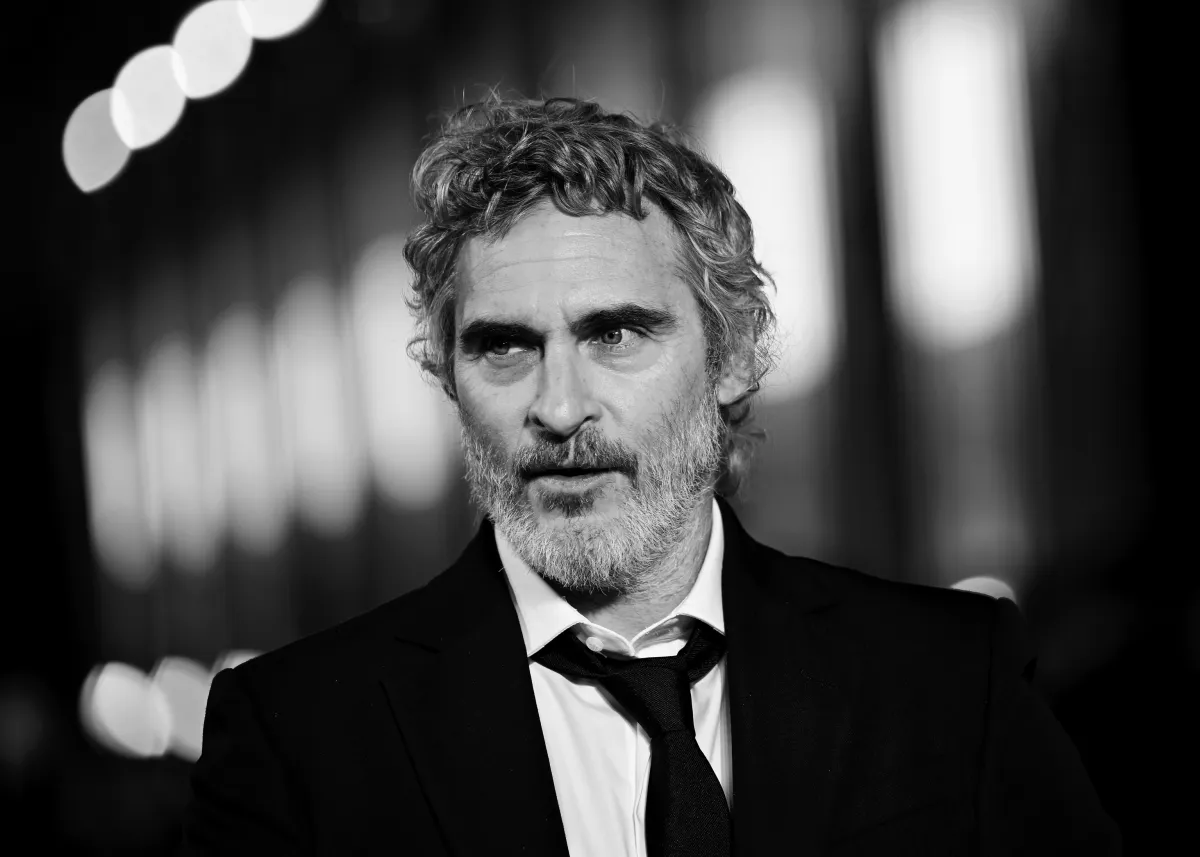 Photo: Joaquin Phoenix, via e00-elmundo.uecdn.es
The Screening Circuit Circus
If you think those exclusive Academy screenings are about celebrating cinema, think again. These events are psychological operations disguised as cocktail parties. Studios coordinate everything from the venue (intimate screening rooms create emotional connection) to the timing (right after dinner, when voters are relaxed but not sleepy) to the post-screening discussions (always featuring the director and key actors, never the problematic producer).
The most successful campaigns don't feel like campaigns at all. They feel like organic groundswell, like the entire industry just happened to fall in love with the same performance at the same time. That's not coincidence — that's $10 million in strategic messaging working exactly as intended.
The Whisper Network That Decides Everything
Here's where it gets really interesting: the most effective Oscar campaigning happens in conversations you'll never hear. Industry insiders call it "the whisper network" — a web of agents, managers, producers, and Academy voters who can make or break a campaign with a single well-placed comment.
These aren't formal endorsements. They're casual mentions at industry lunches, strategic name-drops during podcast interviews, and carefully timed social media posts from respected figures. When someone like Steven Spielberg casually mentions loving a particular performance in an interview, that's not accident — that's campaign strategy in action.
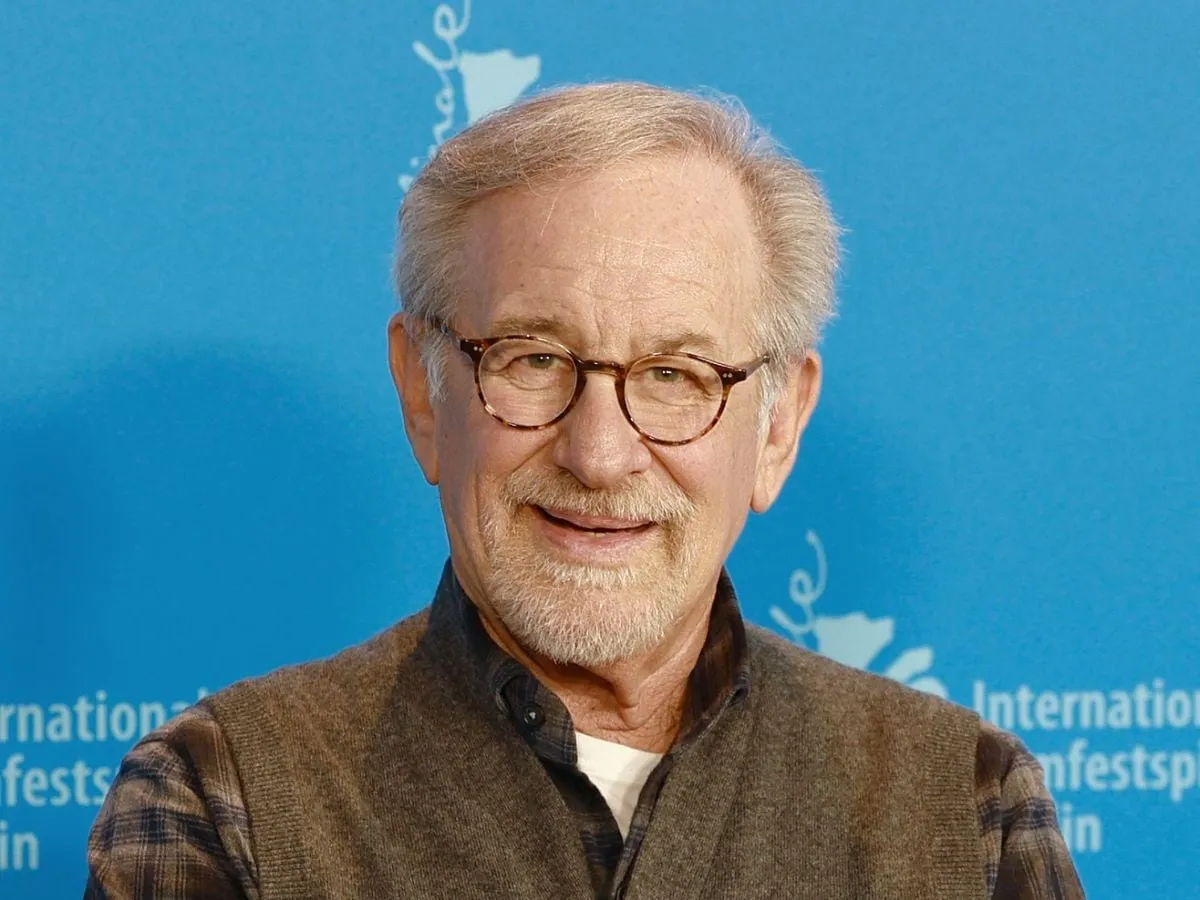 Photo: Steven Spielberg, via faroutmagazine.co.uk
The flip side? Whisper campaigns can also destroy frontrunners. Remember when "Green Book" somehow won Best Picture despite lukewarm critical reception? Industry sources later revealed a coordinated effort to position it as the "safe" choice, while simultaneously seeding doubts about more controversial contenders.
The Trades: Hollywood's Most Expensive Newsletter
Those full-page ads in Variety aren't really for you — they're for the 9,000 Academy voters who supposedly read every issue. But here's the twist: most voters admit they barely glance at the trades. So why do studios keep spending millions on ads that might as well be expensive wallpaper?
Because the ads aren't really about the ads. They're about creating the impression of momentum, about making campaigns look legitimate and well-funded. It's psychological warfare disguised as marketing, designed to make voters think everyone else is taking this contender seriously.
Plus, those ads serve another purpose: they're resume builders for the campaign strategists themselves. Nothing says "hire me for your Oscar campaign" like a Variety spread that somehow convinced voters to nominate a Netflix algorithm movie for Best Picture.
The New Rules of the Game
The streaming wars have completely changed Oscar campaigning. Netflix, Amazon, and Apple aren't just buying campaigns — they're buying legitimacy. These companies treat Oscar wins like stock prices, investing whatever it takes to prove they belong at the adults' table.
Netflix's strategy is particularly fascinating: they nominate everything, hoping something sticks. It's the throw-spaghetti-at-the-wall approach to prestige, and it's working. When you've got unlimited money and no traditional studio overhead, you can afford to run 15 different campaigns simultaneously.
What This Means for You (Yes, You)
Here's the uncomfortable truth: every time you argue about Oscar snubs or celebrate unexpected nominations, you're participating in a conversation that was carefully orchestrated by people paid to manipulate your emotions. Those "obvious" choices? They were made obvious. Those "shocking" snubs? Someone decided they weren't worth the investment.
The Academy keeps talking about diversity and inclusion, but the real barrier isn't bias — it's economics. If you can't afford a $10 million campaign, your brilliant performance might as well not exist. The Oscars aren't celebrating the best of cinema; they're celebrating the best-funded campaigns for cinema.
The Show Must Go On
Despite all the strategic manipulation, there's something beautifully absurd about the whole enterprise. Grown adults spending millions of dollars to convince other grown adults to vote for their favorite movie is peak Hollywood delusion, and we're all complicit in pretending it matters.
But maybe that's the point. In an industry built on make-believe, the biggest fantasy isn't what happens on screen — it's the idea that merit alone determines who gets remembered.
The envelopes might be sealed, but the campaigns never really end — they just get more expensive.