The Age of Oversharing Just Got a Publishing Deal
Somewhere between Britney Spears dropping bombshells in The Woman in Me and every former Disney star suddenly remembering their "dark childhood," the celebrity memoir became the hottest ticket in publishing. But here's the plot twist nobody's talking about: half these "tell-all" authors aren't even old enough to legally rent a car without restrictions, yet they're getting multi-million dollar book deals to spill tea that's barely had time to steep.
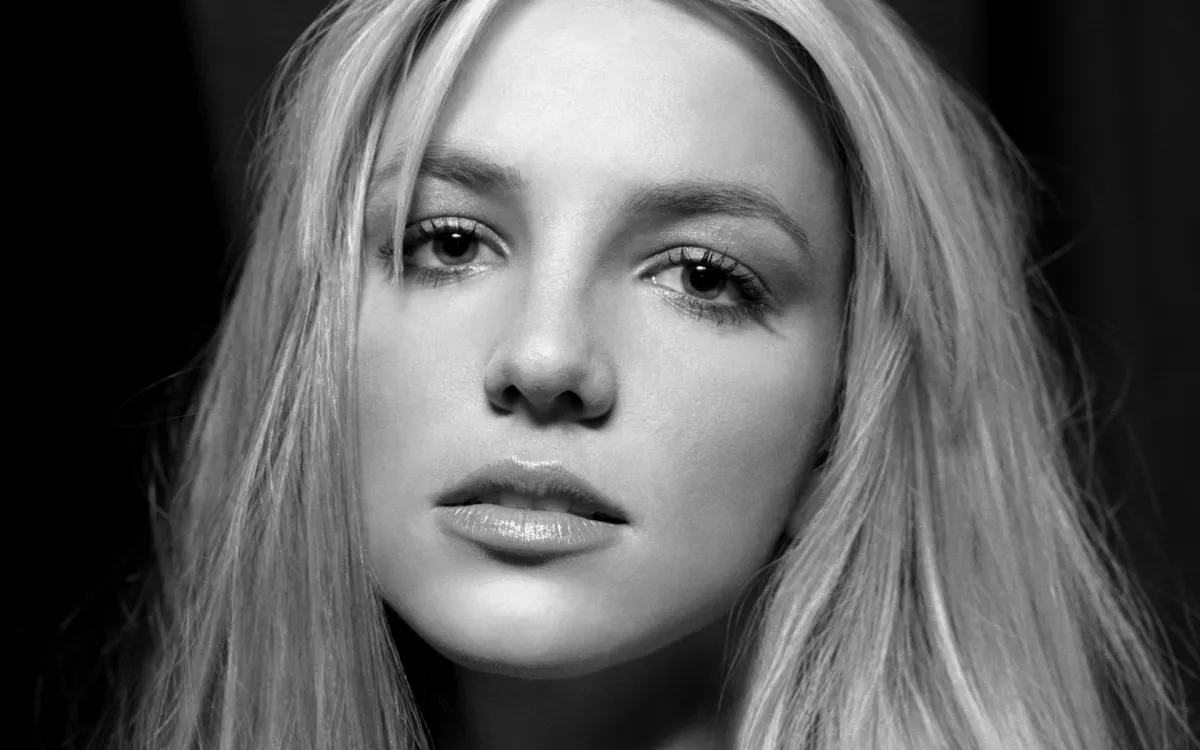 Photo: Britney Spears, via 4kwallpapers.com
Welcome to the memoir industrial complex, where trauma is the new currency and everyone under 40 apparently has a devastating truth that just happens to coincide with their latest project launch.
When Life Experience Meets Marketing Strategy
Let's be real: there's something deeply weird about a 23-year-old influencer getting a bigger book advance than most Pulitzer Prize winners will see in their lifetime. Yet here we are, watching publishers throw seven-figure deals at celebrities whose biggest life crisis was getting canceled on Twitter last Tuesday.
The formula has become painfully predictable. Step one: achieve mild fame through social media, reality TV, or a Disney Channel original movie. Step two: disappear from public view for exactly long enough to generate "Where are they now?" articles. Step three: emerge with a memoir about your "hidden struggles" that reads suspiciously like it was focus-grouped by the same team handling your comeback single.
 Photo: Disney Channel, via clipart-library.com
Take the recent wave of former child stars suddenly remembering their traumatic experiences right as they're launching adult careers. It's not that their experiences aren't valid — childhood fame is genuinely fucked up — but the timing feels less like organic healing and more like strategic brand rehabilitation.
The Ghostwriter in the Room
Here's what nobody wants to admit: most of these memoirs read like they were written by the same person. That's because they basically were. The celebrity memoir ghostwriting industry has become so refined that there's literally a house style for "authentic vulnerability." You know the one — short, punchy sentences for maximum emotional impact. Lots of present tense to make you feel like you're living through their trauma. Strategic curse words to prove they're "keeping it real."
The result? Books that feel less like genuine introspection and more like extended Instagram captions with ISBN numbers. They're trauma narratives optimized for TikTok clips and morning show soundbites, designed to generate exactly the right amount of controversy to trend without actually alienating potential brand partners.
The Timing Is Everything (And Never Coincidental)
Funny how these "deeply personal" revelations always seem to drop right before a new album, movie, or brand launch. It's almost like someone's PR team realized that a well-timed memoir can do what traditional press tours can't: make audiences feel emotionally invested in your comeback story before they even know you're making a comeback.
The math is simple. Traditional celebrity interviews are increasingly meaningless — everyone knows the talking points are pre-approved and the questions are planted. But a memoir? That feels intimate. That feels like the celebrity is choosing to trust you with their secrets. Never mind that those secrets were carefully curated by a team of publicists, lawyers, and brand strategists.
When Trauma Becomes Content
The most disturbing part of this trend isn't that celebrities are monetizing their pain — honestly, get that bag. It's that the memoir industrial complex has created a perverse incentive structure where having trauma makes you more marketable. Suddenly, everyone's digging deeper into their past, not for healing, but for content.
We're watching celebrities who grew up with every advantage suddenly remember how "difficult" their privileged childhoods were. Not because they're lying, but because our culture has decided that struggle is the only acceptable origin story for success. You can't just be talented and lucky anymore — you need to have overcome something.
The Ones That Actually Land
To be fair, some celebrity memoirs genuinely deliver. The difference? They're usually written by people who've had time to process their experiences and can articulate why those experiences matter beyond their own narrative. They understand that a memoir isn't just about what happened to them — it's about what those experiences reveal about larger systems and structures.
The memoirs that flop? They read like therapy sessions that got accidentally published. All feelings, no insight. All personal revelation, no universal truth. They're books that exist primarily to rehabilitate the author's image rather than illuminate anything meaningful about the human experience.
The Publishers Playing the Long Game
Meanwhile, publishing houses are laughing all the way to the bank. Celebrity memoirs are basically guaranteed bestsellers, regardless of quality. Fans will buy them for the gossip, critics will buy them to hate-read, and book clubs will pick them because they're "culturally relevant." It's the literary equivalent of a Marvel movie — critically questionable but commercially bulletproof.
The real genius is that publishers have figured out how to package celebrity narcissism as social commentary. Slap "brave" and "unflinching" on the cover copy, get a few strategic blurbs from other celebrities, and suddenly a vanity project becomes a "important cultural document."
What Happens When Everyone's Already Told All?
Here's the thing about the memoir industrial complex: it's unsustainable. There are only so many ways to repackage the same "fame is hard" narrative before audiences get bored. And when every celebrity under 40 has already spilled their deepest secrets for a book advance, what's left for their actual comeback interviews?
We're rapidly approaching peak memoir saturation, where having a traumatic backstory becomes as common and meaningless as having a podcast. The celebrities who are smart are already pivoting to the next trend — whatever that might be.
Because if there's one thing the memoir industrial complex has taught us, it's that in Hollywood, even your deepest pain is just another product launch waiting to happen.