The Price of Forgiveness
There's an unwritten rule in Hollywood that nobody talks about but everyone follows: if you want your career back after a scandal, you better be prepared to crawl. Not metaphorically — literally. On camera. Preferably with tears.
Look at the pattern. James Corden's recent farewell tour wasn't just about leaving The Late Late Show — it was a months-long apology parade for years of alleged behind-the-scenes behavior. Jonah Hill's transformation from comedy's enfant terrible to wellness guru required public weight fluctuations documented in real-time. Even Martha Stewart had to do hard time before Hollywood decided her insider trading conviction was actually kind of chic.
 Photo: James Corden, via www.tvinsider.com
The message is clear: redemption isn't about making amends privately or changing behavior quietly. It's about performing penance publicly, and the more humiliating, the better.
The Apology Theater Complex
We've created an entire industrial complex around celebrity contrition. There's a specific formula now: the tearful sit-down interview (preferably with Oprah or someone Oprah-adjacent), the strategic leak about "doing the work" in therapy, and the carefully curated social media post that hits all the buzzwords — accountability, growth, learning, journey.
But here's what's really twisted: the punishment has to be visible and ongoing. It's not enough to apologize once and move on. Celebrities have to prove they've suffered enough to earn their spot back at the table. Weight loss, sobriety milestones, relationship breakdowns — all become currency in the rehabilitation market.
Robert Downey Jr. is the gold standard here. His comeback wasn't just about getting clean; it was about letting the world watch him struggle, fail, and struggle again until Marvel decided his journey was cinematically compelling enough to anchor a billion-dollar franchise. The suffering became part of the brand.
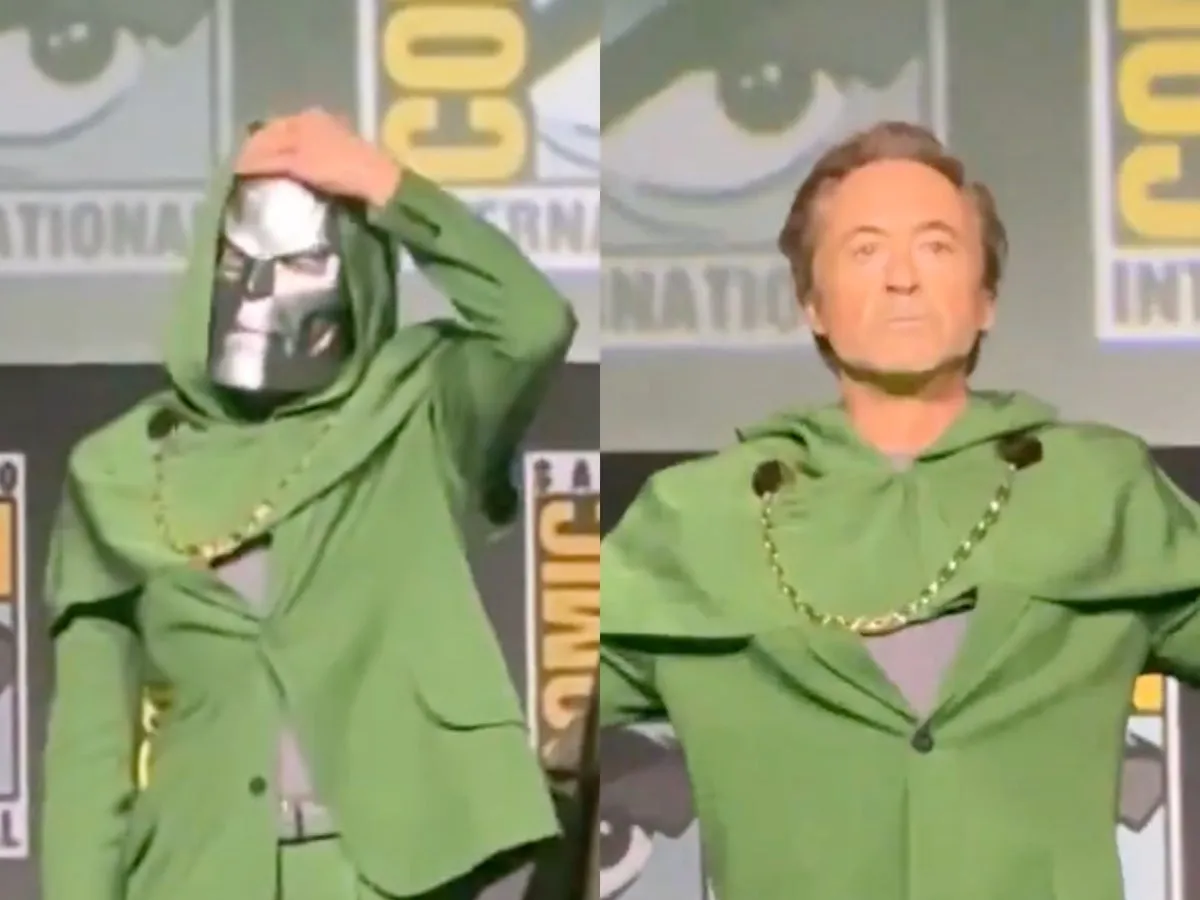 Photo: Robert Downey Jr., via media.zenfs.com
The Humiliation Hierarchy
Not all public shame is created equal. There's actually a hierarchy of acceptable humiliation that determines how quickly you can stage your return.
Physical transformation ranks high — lose weight, gain muscle, get sober, all while letting cameras document the "journey." Emotional breakdowns are valuable too, but they have to be the right kind. Vulnerable, not angry. Reflective, not defensive. Think Britney's conservatorship testimony versus Kanye's Twitter storms.
Financial ruin is surprisingly effective. Nothing says "I've learned my lesson" quite like bankruptcy or having to sell your Malibu mansion. It's the modern version of wearing a hair shirt.
But the most powerful currency? Admitting you were wrong about everything, publicly and repeatedly, until even your biggest critics get tired of dunking on you.
The Performance of Pain
What's particularly insidious is how calculated this has all become. Publicists now strategically time their clients' "rock bottom" moments to maximize sympathy and minimize career damage. The paparazzi photos of celebrities looking disheveled aren't always candid — sometimes they're carefully orchestrated to show the right amount of suffering.
Consider how many comeback stories follow the exact same beats: the fall, the disappearance, the "candid" photos showing struggle, the exclusive interview revealing personal growth, and finally, the triumphant return with a new project that's explicitly about their journey. It's not coincidence — it's a playbook.
The problem is that this system rewards performance over genuine change. Celebrities learn to perform accountability rather than practice it. They become experts at looking sorry rather than actually being sorry.
The Audience as Judge and Jury
We're complicit in this system because we demand these public floggings. We want to see celebrities brought low before we'll consider forgiving them. There's something satisfying about watching someone with infinite resources and opportunities lose it all and have to beg their way back.
But this creates a perverse incentive structure. Instead of encouraging genuine accountability and private growth, we've created a system where the appearance of suffering matters more than actual change. The celebrity who quietly makes amends and changes their behavior without fanfare doesn't get rewarded — they get forgotten.
The Double Standard Problem
Of course, this rehabilitation program isn't equally available to everyone. Women face different rules than men. People of color face different standards than white celebrities. The level of humiliation required varies dramatically based on who you are and what you've done.
Some celebrities get to skip the humiliation phase entirely — their "mistakes" get reframed as quirks or artistic temperament. Others can perform contrition perfectly and still never fully escape their scandals. The system isn't just about accountability; it's about power and who gets to decide when someone has suffered enough.
What We're Really Buying
Ultimately, Hollywood's comeback condition isn't about justice or growth — it's about entertainment. We've turned celebrity redemption into content, and the more dramatic the fall and rise, the better the story.
But maybe it's time to ask: what if we stopped demanding public humiliation as the price of forgiveness? What if we valued genuine change over performed contrition? What if celebrities could make mistakes, make amends, and move forward without having to stage their suffering for our entertainment?
Until then, the red carpet to redemption will continue to be paved with carefully choreographed tears and strategically timed breakdowns — because in Hollywood, apparently, the show must always go on, even when it's the show of being sorry.
 Photo: Britney Spears, via eskipaper.com