The Algorithm Loves a Good Cry
Remember when celebrities had nervous breakdowns in private? When emotional meltdowns meant career suicide rather than strategic content opportunities? Those days are as dead as the paparazzi flashbulb, replaced by a new phenomenon that's equal parts brilliant and deeply unsettling: the scheduled sob session.
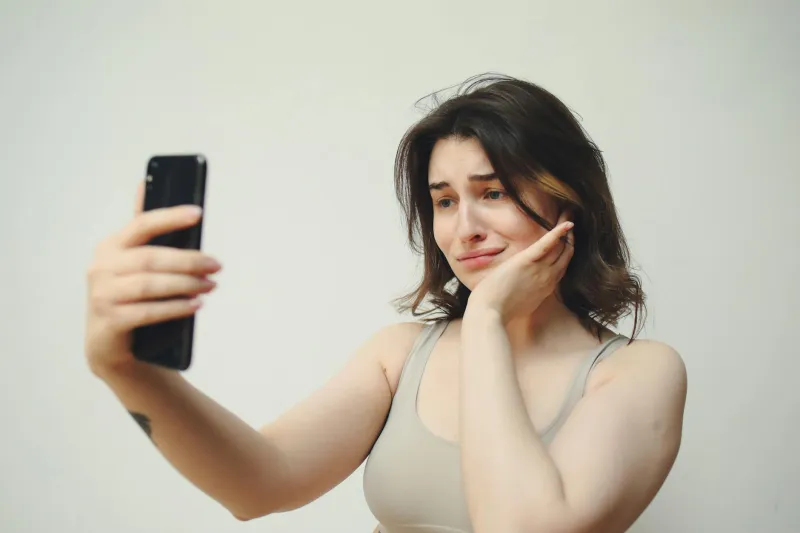
From Chrissy Teigen's expertly lit kitchen counter confessionals to Bella Hadid's perfectly framed anxiety reveals, today's stars have discovered that nothing drives engagement quite like a well-timed emotional collapse. The crying selfie has become the new red carpet moment — carefully choreographed, strategically deployed, and guaranteed to generate the kind of authentic connection that money can't buy (except, apparently, it can).
The Vulnerability Industrial Complex
The transformation didn't happen overnight. It started with the rise of "authentic" social media, where audiences began craving realness over perfection. Celebrities, ever the savvy businesspeople, quickly realized that a single tear-streaked Instagram Story could generate more genuine engagement than a dozen professionally shot campaign photos.
Take Demi Lovato's documentary-style breakdowns on social media throughout 2023. Each carefully crafted moment of "rawness" coincided suspiciously with album releases, tour announcements, or podcast launches. The timing wasn't accidental — it was algorithmic genius disguised as human frailty.
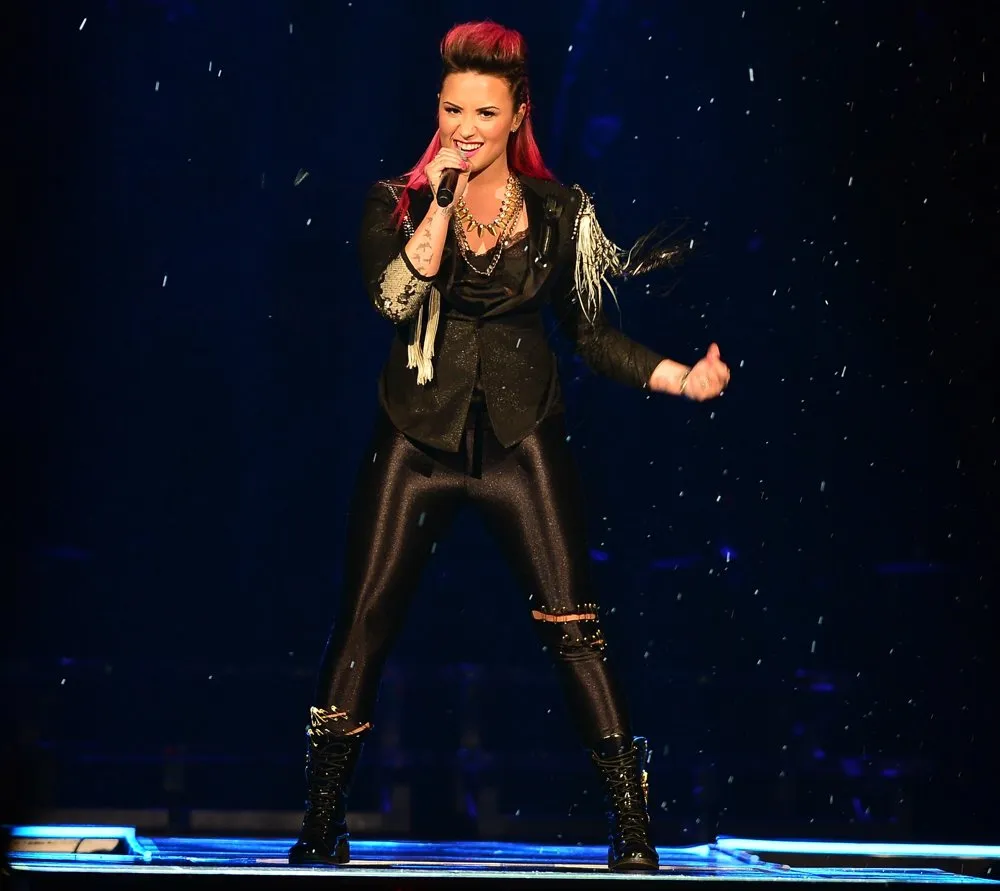 Photo: Demi Lovato, via www.aceshowbiz.com
Or consider how Kanye West's public emotional spirals consistently preceded major business moves. His tearful paparazzi encounters and rambling social media posts weren't just mental health struggles playing out in public (though they may have included that) — they were also masterclasses in keeping his name trending during crucial negotiation periods.
The Mascara Methodology
There's actually a formula to the modern celebrity breakdown, and it's more precise than you might think. The optimal crying selfie requires specific elements: natural lighting (never harsh fluorescents), minimal but visible makeup smudging, red-rimmed eyes that still photograph beautifully, and most crucially, a caption that strikes the perfect balance between vulnerable and vague.
The timing matters too. Tuesday through Thursday, between 6-8 PM EST, when engagement peaks but before the weekend news cycle drowns out the narrative. Never on Mondays (too obvious) or Fridays (gets buried). And always, always followed by a strategic silence period that lets the sympathy build before the inevitable "thank you for your support" follow-up post.
Selena Gomez has perhaps perfected this art form better than anyone. Her emotional Instagram posts consistently generate millions of interactions, but they're also timed with surgical precision around project launches. Her 2023 mental health awareness posts coincided perfectly with her Rare Beauty campaign expansion — coincidence or calculated vulnerability?
The Audience That Feeds the Machine
Here's the uncomfortable truth: we're not just consuming this content, we're demanding it. Every time we double-tap a crying selfie, share a vulnerable story, or flood the comments with heart emojis, we're feeding an ecosystem that incentivizes emotional exhibitionism.
The numbers don't lie. Emotional content consistently outperforms polished promotional material by 300-400% in terms of engagement. A single tearful TikTok can generate more authentic brand loyalty than a million-dollar advertising campaign. We've created a marketplace where pain pays dividends.
When Real Meets Reel
The most unsettling part isn't that celebrities are commodifying their emotions — it's that the line between genuine distress and strategic vulnerability has become completely blurred. When every breakdown becomes content and every crisis becomes a campaign, how do we distinguish between authentic human struggle and manufactured relatability?
Take the recent trend of celebrities posting crying selfies after "difficult" therapy sessions. While mental health awareness is undoubtedly important, the performative nature of these posts raises questions about whether we're normalizing therapy or just creating another content category.
The Backlash Is Building
Not everyone is buying what the crying selfie economy is selling. Gen Z, in particular, is becoming increasingly skeptical of performed vulnerability. TikTok users regularly call out celebrities for "trauma dumping for clout" or posting emotional content that feels too polished to be genuine.
The phrase "crying selfie era" has become somewhat pejorative among younger audiences, who can spot calculated vulnerability from a mile away. They're demanding either complete authenticity or complete artifice — anything in between feels manipulative.
The Future of Emotional Content
As audiences become more sophisticated about recognizing performative vulnerability, celebrities are having to get more creative. Some are embracing the artifice completely, making their emotional content obviously staged and theatrical. Others are doubling down on the authenticity angle, sharing increasingly personal details to prove their genuineness.
But perhaps the smartest celebrities are the ones stepping back entirely. Stars like Rihanna and Beyoncé rarely engage in vulnerability theater, understanding that mystique and boundaries can be just as powerful as oversharing.
The Bottom Line
The crying selfie cycle reveals something profound about our current cultural moment: we're so starved for authentic connection that we'll accept even manufactured emotion as real intimacy. Whether that says more about celebrities' cynicism or our collective loneliness is unclear.
What is clear is that the era of private breakdowns is over — in Hollywood, even your lowest moments are just another opportunity to trend.