When Good Deeds Become Great PR
Every fall, as the leaves change and award season approaches, Hollywood transforms into a glittering parade of philanthropy. From the Met Gala's fashion-forward fundraising to intimate dinners where a single table costs more than most people's annual salary, celebrity charity events have become the entertainment industry's most sophisticated networking circuit — where doing good and looking good have become indistinguishable.
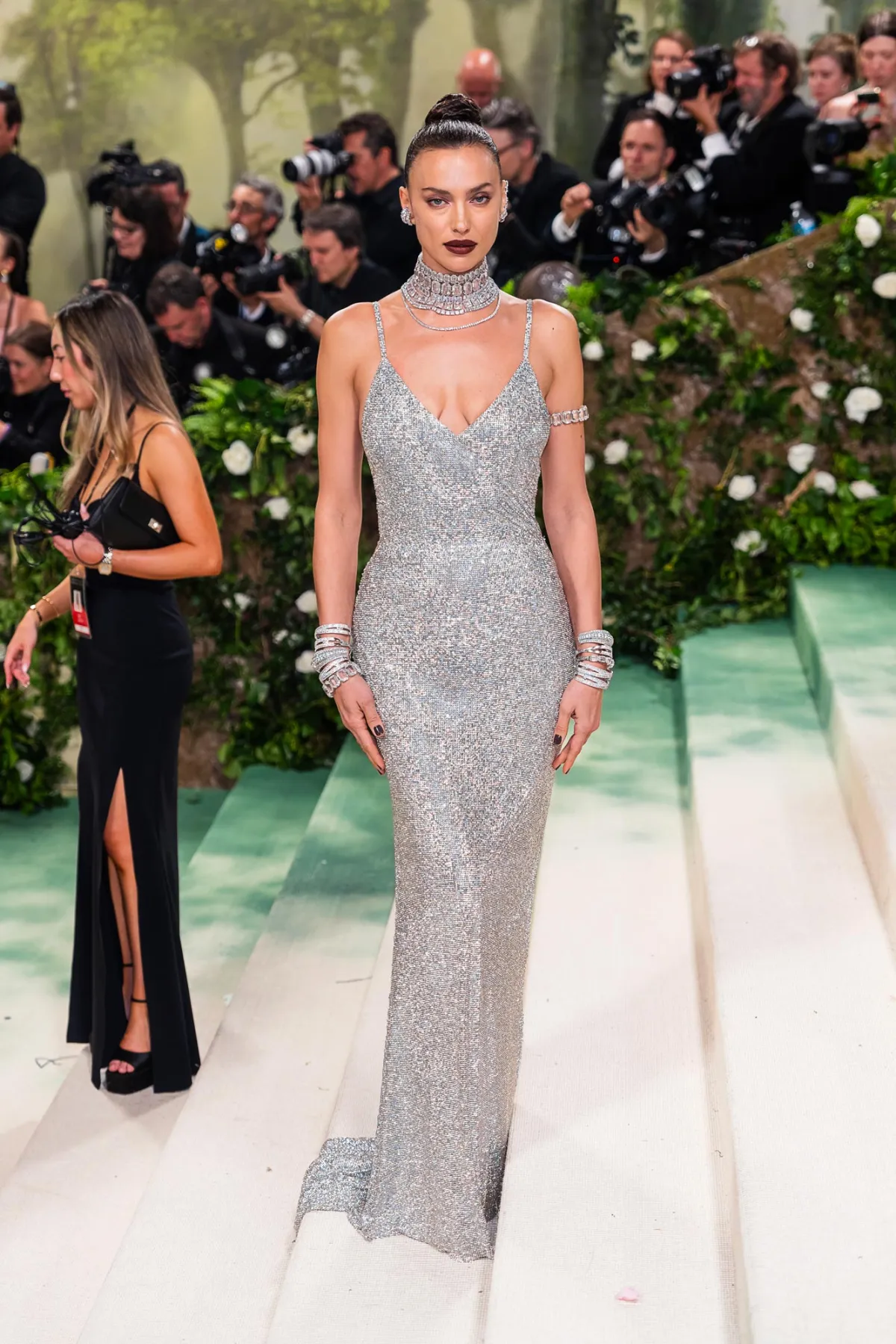 Photo: Met Gala, via www.usmagazine.com
But beneath the designer gowns and heartfelt speeches lies a carefully orchestrated system where charitable giving serves as social currency, career advancement, and reputation management all rolled into one tax-deductible package.
The Art of Strategic Seating
Walk into any major charity gala in Beverly Hills or Manhattan, and the real action isn't happening on stage — it's in the seating chart. Table placement at these events functions as Hollywood's most transparent power ranking system, where proximity to the honoree or event chairs signals industry clout more accurately than any trade publication list.
 Photo: Beverly Hills, via a.cdn-hotels.com
"The seating chart is basically a public org chart of Hollywood," reveals one longtime event planner who's worked major galas for over a decade. "Publicists will literally call in favors to get their clients moved closer to the front. It's not about the charity — it's about who sees you sitting where."
The most coveted spots aren't necessarily at the head table, but at what insiders call "deal tables" — strategically placed rounds where studio heads, streaming executives, and A-list talent naturally intersect. More business gets done during the cocktail hour and dinner service than in most formal meetings.
The Foundation Fast Track
Perhaps nowhere is the charity-as-career-strategy more apparent than in the suspiciously well-timed launch of celebrity foundations. Scan the nonprofit filing dates, and you'll notice a curious pattern: many celebrity charitable organizations appear just as their founders face career turbulence or public relations crises.
The playbook is remarkably consistent. Step one: identify a cause that feels authentic to your personal brand. Step two: partner with an established charity to avoid the messy work of building infrastructure. Step three: host a launch event that doubles as a comeback party. Step four: ensure your charitable work gets prominently featured in your next major interview.
"It's philanthropy as image rehabilitation," notes one entertainment publicist. "Nothing says 'I'm a changed person' like a foundation focused on the exact issue that got you in trouble in the first place."
The Donation Olympics
While most charity events maintain the polite fiction that donation amounts remain private, Hollywood has turned giving into a competitive sport where the numbers mysteriously find their way to gossip columns and industry trades. The art lies in the leak — strategic revelations about generous contributions that always seem to surface just as contract negotiations heat up or award voting begins.
The amounts themselves tell a story. A $50,000 donation signals serious participation without breaking the bank. Six figures suggests major player status. Seven figures? That's either genuine philanthropic commitment or a very expensive reputation rescue mission.
Board Games and Power Plays
Serving on a nonprofit board has become Hollywood's equivalent of joining an exclusive country club — except the membership fees come in the form of annual giving commitments and the networking opportunities are infinitely more valuable. Museum boards, children's hospital committees, and environmental foundations have become the new power rooms where deals get discussed and alliances form.
"You'll see the same twenty names on every major cultural institution board in LA," observes one longtime charity consultant. "It's not coincidence — it's strategy. These board meetings are where you find out who's available for what project before it hits the trades."
The Met Gala Model
No event better exemplifies charity as high-stakes social theater than the Met Gala, where fashion and fundraising create the ultimate celebrity networking laboratory. The $50,000 individual ticket price serves as both barrier to entry and proof of concept — demonstrating that charitable giving can be repackaged as exclusive entertainment.
The genius lies in the transformation of donation into experience. Attendees aren't just giving money; they're buying access to fashion history, cultural relevance, and the kind of photo opportunities that generate millions in earned media value.
The Authenticity Audit
As audiences become more sophisticated about celebrity motivations, the charity circuit has had to evolve. The new gold standard involves long-term commitment, personal connection, and measurable impact — qualities that can't be manufactured in a publicist's office.
Some celebrities have cracked the code by aligning their charitable work with their professional expertise. Others have found success by choosing less glamorous causes that suggest genuine rather than strategic interest. The most successful philanthropic efforts feel organic rather than orchestrated.
The Bottom Line on Giving Back
None of this is to suggest that celebrity charitable work lacks genuine impact. Many causes have benefited enormously from star power and deep pockets, regardless of the underlying motivations. The reality is simply more complex than the tearful acceptance speeches suggest.
In Hollywood's charity ecosystem, doing good and doing well aren't mutually exclusive — they're inextricably linked in a system where altruism and ambition dance together under the glare of camera flashes and the warm glow of tax deductions.