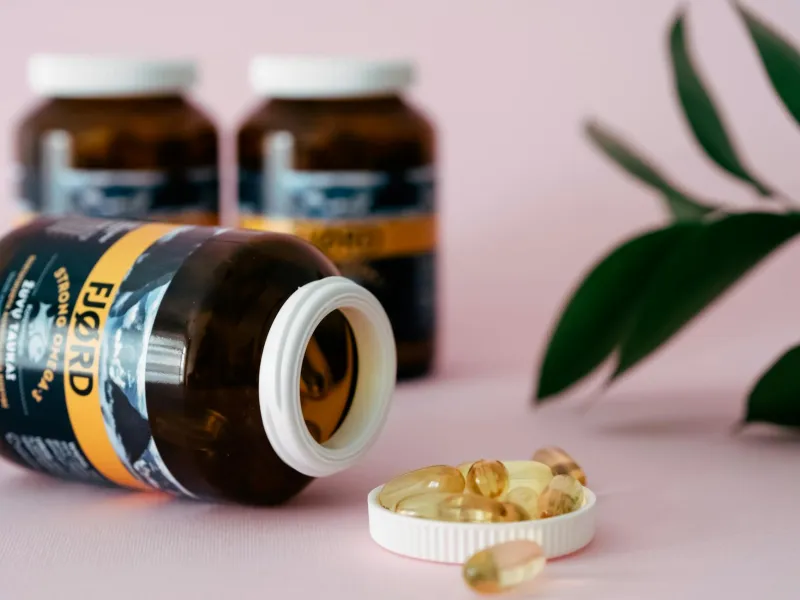
Drinking the Kool-Aid: How Celebrities Convinced Us They're Wellness Gurus — And Why We Keep Buying What They're Selling
Somewhere between Gwyneth Paltrow suggesting we steam our vaginas and Kourtney Kardashian launching her 47th supplement line, celebrity wellness became a $4.5 billion industry. And honestly? We have no one to blame but ourselves.
The Goop Effect: Patient Zero of Celebrity Wellness
It all started innocently enough. In 2008, Gwyneth launched Goop as a simple newsletter sharing her favorite things. Fast-forward fifteen years, and she's built a lifestyle empire that's equal parts aspirational and absolutely unhinged. Jade eggs for your yoni? $75 vitamins that promise to make you "glow from within"? A $120 candle that allegedly smells like her vagina?
The woman turned wellness into performance art, and we bought front-row tickets.
But here's the thing about the Goop phenomenon: it worked. Despite countless medical professionals calling out the pseudoscience, despite lawsuits over unsubstantiated health claims, despite the general absurdity of it all — Goop is valued at $250 million. Gwyneth didn't just create a brand; she created a blueprint.
The Wellness Industrial Complex Goes Hollywood
Now everyone's getting in on the action. Kourtney Kardashian's Lemme promises to fix everything from your sleep cycle to your libido with gummy vitamins that taste like candy. Jennifer Aniston's Vital Proteins collagen peptides claim to turn back time from the inside out. Even The Rock launched his own line of energy drinks because apparently, his natural charisma wasn't enough.
The formula is always the same: Celebrity discovers life-changing wellness routine during their "journey" → Celebrity partners with supplement company or launches their own → Celebrity shares deeply personal story about how Product X saved their skin/energy/marriage → Fans buy in, literally.
Why We Fall for It Every Time
Let's be real about why this works so well. Celebrities have something most wellness "experts" don't: proof of concept walking around in designer clothes. When Hailey Bieber swears by her morning smoothie routine and looks like a literal angel, our lizard brain goes, "Well, she's obviously doing something right."
Dr. Jennifer Aaker, a behavioral psychologist at Stanford, explains it perfectly: "We're wired to trust people we admire, especially when they're sharing something personal. When a celebrity opens up about their wellness struggles, it creates an intimacy that traditional advertising can't replicate."
Plus, there's the aspirational factor. Buying Kourtney's sleep gummies for $49 a bottle is way more affordable than her plastic surgeon, personal trainer, and full-time nanny. It's wellness cosplay for the masses.
The Good, The Bad, and The Downright Questionable
Not all celebrity wellness ventures are created equal. Some stars actually do their homework. When Rihanna launched Fenty Skin, she partnered with dermatologists and kept the ingredient lists simple and science-backed. Selena Gomez's Rare Beauty includes mental health resources alongside their products, putting money where their mouth is on advocacy.
Then there's the other end of the spectrum. Bella Hadid's recent partnership with a supplement company claiming their pills can "optimize your aura" feels like we've officially jumped the shark. And don't get me started on the celebrities pushing IV vitamin drips as hangover cures — because nothing says wellness like medicalizing your poor life choices.
The Science (Or Lack Thereof)
Here's where things get sticky. The supplement industry is notoriously under-regulated, which means celebrities can make pretty bold claims without much oversight. Dr. Pieter Cohen, who studies dietary supplements at Harvard Medical School, puts it bluntly: "Most celebrity wellness products are expensive placebos at best, and potentially harmful at worst."
The FDA doesn't require supplements to prove they work before hitting the market — they only step in after people get hurt. So when a celebrity claims their adaptogenic blend will "balance your hormones naturally," there's probably zero clinical evidence backing that up.
Following the Money Trail
Let's talk numbers, because the math is mathing in a big way. Celebrity wellness endorsements can be worth millions. Jennifer Aniston reportedly makes $10 million annually from her Vital Proteins deal. Gwyneth's Goop generates over $200 million in revenue yearly. Even smaller players are cashing in — Love Island alums are making six figures hawking teeth whitening kits and hair vitamins.
The margins on supplements are insane too. That $60 bottle of celebrity-endorsed collagen powder? It probably costs about $3 to manufacture. The rest goes to marketing, celebrity fees, and profit.
The Authenticity Question
This is where things get philosophically murky. Some celebrities genuinely seem to use and believe in their products. Gwyneth has been consistently unhinged about wellness for over a decade — that's commitment to the bit. Others feel more opportunistic, launching wellness lines right when their acting careers hit a lull.
The tell is usually in the details. Does the celebrity talk about the product naturally in interviews, or only during sponsored content? Can they explain what the ingredients actually do, or do they just read from a script about "feeling amazing"?
The Consumer Reality Check
At the end of the day, we're all complicit in this cycle. We want the magic bullet, the secret sauce, the one thing that'll make us feel as put-together as our favorite stars. And celebrities are happy to sell us that fantasy, one overpriced supplement at a time.
The smart play? If you're going to buy into celebrity wellness, do your homework. Check if there's actual science behind the ingredients. See if the celebrity has a long-term relationship with health and wellness, or if this is just their latest business venture. And maybe ask yourself: would I buy this product if it didn't have a famous face attached?
Because at the end of the day, the only thing these wellness empires are guaranteed to improve is celebrity bank accounts — and honestly, they're probably sleeping pretty well at night because of it.