The New Rules of Celebrity Confession
Remember when celebrities guarded their privacy like Fort Knox? Those days are deader than low-rise jeans. Now, your favorite A-lister is more likely to trauma-dump about their childhood abandonment issues on a Tuesday afternoon Instagram Story than they are to confirm whether they're dating their co-star. Welcome to the era of the understated overshare, where radical transparency has become the most sophisticated deflection strategy in modern fame management.
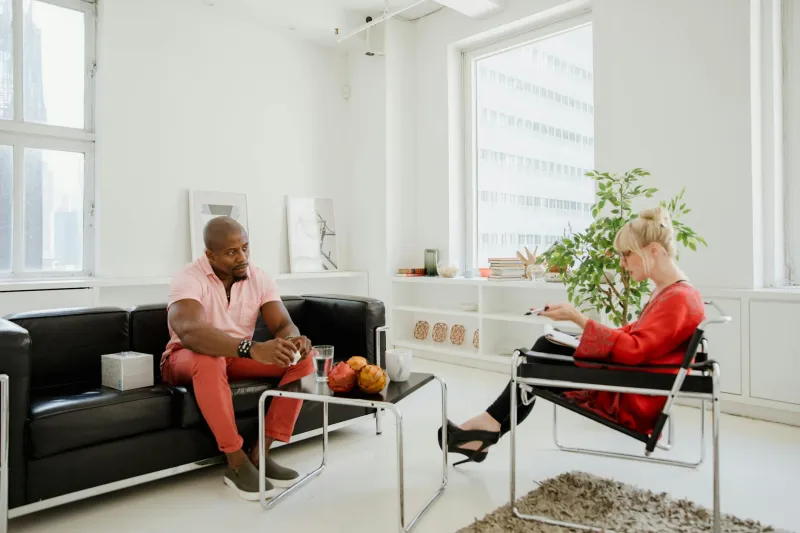
Take any celebrity who's been in the headlines lately for something actually scandalous — a messy breakup, a professional feud, or questionable business dealings. Instead of addressing the elephant in the room, they'll pivot to sharing their most intimate therapeutic breakthroughs. Suddenly, we're getting dissertations on their relationship with their mother, detailed accounts of their anxiety medication adjustments, and philosophical musings on healing their inner child. It's vulnerability theater at its finest, and we're all buying front-row tickets.
The Psychology of Strategic Transparency
This isn't accidental oversharing — it's a calculated PR move that would make Madison Avenue executives weep with pride. By flooding the zone with deeply personal but ultimately safe revelations, celebrities create the illusion of radical honesty while keeping the actual tea firmly under wraps. It's emotional misdirection, and it's working.
The genius lies in the psychology. When someone shares something genuinely vulnerable — say, their struggles with postpartum depression or their journey through addiction recovery — our natural human response is to respect their openness and back off from prying further. We feel like we've been given something precious, even if what we really wanted to know was whether they're secretly feuding with their former best friend.
This strategy exploits our cultural shift toward mental health awareness and therapy speak. In a world where "doing the work" and "healing your trauma" have become social currency, celebrities have learned to weaponize wellness language. They're not avoiding questions — they're "setting boundaries." They're not deflecting — they're "protecting their peace."
The Overshare Olympics
Scroll through any celebrity's recent interviews or social media presence, and you'll notice the pattern. They'll discuss their eating disorder recovery in graphic detail but somehow never address why their longtime collaborator suddenly isn't following them on Instagram. They'll share their therapy homework about attachment styles but remain mysteriously silent about the lawsuit their former manager filed last month.
The most skilled practitioners of this art form have turned vulnerability into a brand. They've built entire media empires around their "authentic" storytelling, complete with wellness podcasts, meditation apps, and lifestyle brands that promise to help you heal just like they did. The irony? The more they share about their inner lives, the less we actually know about their real lives.
Why We Keep Falling for It
Here's the uncomfortable truth: this strategy works because we want it to work. In an age of carefully curated social media personas, the promise of genuine human connection — even parasocial connection — is irresistible. When a celebrity shares their panic attack coping mechanisms or their complicated relationship with their estranged parent, it feels like intimacy. It feels real.
But there's a crucial difference between authentic vulnerability and performed vulnerability. The former comes without agenda; the latter serves a specific purpose. When every traumatic revelation conveniently coincides with a news cycle they'd rather avoid, when every therapeutic breakthrough happens to distract from professional drama, we might want to examine our willingness to be emotionally manipulated.
The Audience Awakening
The good news? Audiences are getting savvier. Social media comments are increasingly calling out the timing of these revelations. Fans are connecting dots between emotional overshares and convenient deflections. The phrase "emotional manipulation" is trending more often in celebrity discourse, and that's not an accident.
Generation Z, in particular, seems immune to this strategy. Having grown up with social media psychology and therapy speak as their native language, they can spot performative vulnerability from a mile away. They're the ones asking the real questions: "Why is she talking about her childhood trauma instead of addressing the allegations?" "Isn't it convenient that this deeply personal revelation dropped the same day as that exposé?"
The Future of Famous Feelings
As audiences become more sophisticated consumers of celebrity content, the understated overshare strategy may be approaching its expiration date. The next evolution might be radical honesty about the things that actually matter — or perhaps an entirely new form of deflection we haven't seen yet.
What's certain is that the relationship between celebrity vulnerability and public consumption will continue to evolve. The question is whether stars will learn to balance genuine openness with strategic privacy, or if they'll keep serving us emotional appetizers while hiding the main course.
Until then, we'll keep getting front-row seats to therapy sessions while the real drama plays out behind closed doors — and somehow, we'll keep pretending we're satisfied with the trade-off.