There's something deliciously ironic about the fact that celebrities' most influential fashion moments now happen when they're supposedly not trying at all. While red carpet looks get dissected for approximately 24 hours before being archived into fashion history, a single paparazzi shot of a star in matching sweats outside their local juice bar can spark a retail frenzy that lasts for months.
Welcome to the velour tracksuit effect — the phenomenon where celebrity "off-duty" loungewear consistently becomes the most coveted, copied, and commercially successful fashion statement of all.
From Juicy Couture to Juicy Gossip
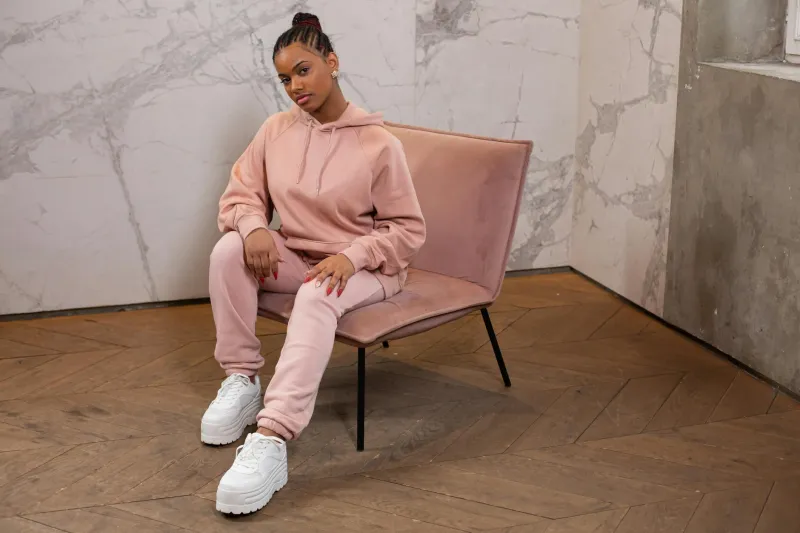
The blueprint was written in baby pink velour sometime around 2003, when Paris Hilton turned a simple tracksuit into a cultural moment that would define an entire generation's relationship with luxury comfort wear. The Juicy Couture tracksuit wasn't just clothing — it was a status symbol that whispered "I'm rich enough to wear pajamas in public" while screaming "and you're going to pay $200 to copy me."
But what made Paris's velour moment so genius wasn't the tracksuit itself — it was the casual confidence with which she wore it. Shopping at Robertson Boulevard, walking her Chihuahua, grabbing a latte — these weren't fashion moments, they were lifestyle moments. And that distinction would prove to be worth billions.
The Algorithm of Influence
Fast-forward twenty years, and the formula has been perfected to a science. Today's celebrity comfort wear moments follow a predictable pattern: get papped looking effortlessly chic in something cozy, watch the internet collectively lose its mind trying to identify every piece, then sit back as the brand's website crashes under demand.
Take Hailey Bieber's recent Rhode hoodie moment outside Erewhon. What appeared to be a casual smoothie run was actually a masterclass in stealth marketing. The oversized hoodie, perfectly distressed jeans, and just-messy-enough hair created an aspirational image of California cool that had her beauty brand's merchandise selling out within hours.
The Comfort Conspiracy
But here's where it gets interesting: these "candid" moments are anything but accidental. Behind every perfectly disheveled celebrity airport look or artfully casual coffee run is a team of stylists, publicists, and brand partnerships working overtime to make it look effortless.
Brands have caught on to the power of celebrity comfort wear, and they're engineering the whole thing. Limited drops, exclusive colorways, and strategic gifting ensure that when a celebrity steps out in their latest loungewear creation, it's not just a fashion moment — it's a retail event.
The Relatability Factor
What makes celebrity loungewear so powerful is its promise of accessibility. Unlike a $10,000 red carpet gown, a $150 matching set feels attainable. It tells consumers: "You too can look like a celebrity, and you don't even have to try."
This relatability factor has created a new category of aspirational fashion — one where the goal isn't to look dressed up, but to look expensively underdressed. It's luxury signaling for the work-from-home era, where the ultimate flex is looking put-together while wearing what amounts to elevated pajamas.
The Economics of Effortless
The numbers don't lie: celebrity loungewear moments consistently outperform traditional fashion campaigns in terms of sales and social media engagement. When Rihanna stepped out in a particular Fenty sweatsuit, it generated more revenue than months of traditional advertising. When the Kardashians wear their SKIMS sets to the gym, it moves more product than any Super Bowl commercial could.
This has created a fascinating inversion in fashion marketing. The most valuable celebrity endorsement isn't a posed campaign shot — it's a paparazzi photo of them looking "normal."
The New Status Symbol
Today's luxury loungewear market is a multi-billion dollar industry built on the promise that you can buy your way into celebrity casualness. Brands like Alo, Lululemon, and Fear of God Essentials have built empires on this concept, creating pieces that look simple but carry premium price tags and cultural cachet.
The genius is in the psychology: wearing expensive loungewear signals that you're successful enough to prioritize comfort, confident enough to be seen looking "underdressed," and plugged-in enough to know which brands matter.
What's Next for Comfort Culture
As we move deeper into an era where comfort and luxury intersect, celebrity loungewear influence shows no signs of slowing down. If anything, it's evolving — becoming more sophisticated, more strategic, and more profitable.
The next frontier? Sustainable luxury loungewear, tech-integrated comfort wear, and probably some celebrity launching a "wellness uniform" that promises to change your life one overpriced sweatshirt at a time.
Because if there's one thing we've learned from the velour tracksuit effect, it's that when celebrities make comfort look this good, we'll pay almost anything to feel a little bit closer to their effortless perfection.