The Promise vs. The Reality
In 2017, Harvey Weinstein's downfall was supposed to mark the end of an era. The casting couch — that grotesque symbol of Hollywood's power-abuse pipeline — was finally being dismantled, piece by predatory piece. Studios implemented new protocols, executives got diversity training, and everyone agreed that the old boys' club was officially closed for business.
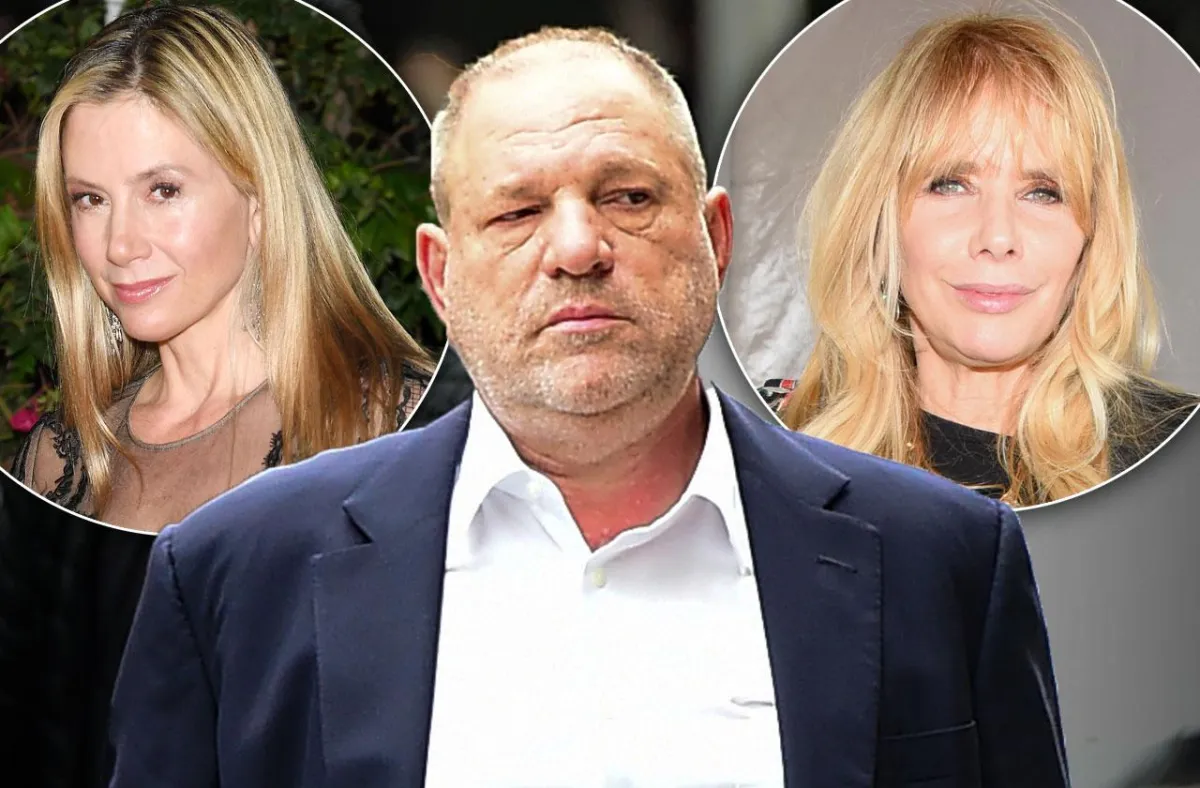 Photo: Harvey Weinstein, via media.radaronline.com
So why, six years later, are we still having the same conversations?
From Russell Brand's recent legal troubles to the ongoing whispers about certain A-list directors, it's becoming increasingly clear that #MeToo didn't kill the beast — it just taught it to evolve. The casting couch may be dead, but its spiritual successors are alive and well, operating under new titles and through different channels, but with the same fundamental power dynamics that made the original so toxic.
The Rebrand Strategy
Today's predators don't need a literal couch in their office. They have private jets, exclusive parties, and "mentorship opportunities." They've traded the studio system's overt quid pro quo for something more insidious: the promise of career advancement wrapped in the language of empowerment and opportunity.
Take the rise of social media influence in casting decisions. Platforms like TikTok and Instagram have created new gatekeepers — creators, influencers, and platform executives who wield enormous power over who gets seen and who gets forgotten. The dynamics remain the same: vulnerable performers seeking opportunities, powerful figures controlling access, and a system that rewards silence over speaking out.
Industry insiders describe a landscape where the old explicit demands have been replaced by implicit expectations. "It's not 'sleep with me for the role' anymore," says one former casting director who requested anonymity. "It's 'come to my private party,' 'let's discuss your career over dinner,' 'I have a project that might be perfect for you.' The language changed, but the intention didn't."
The Streaming Shuffle
The explosion of streaming platforms has created new power centers outside traditional Hollywood — and with them, new opportunities for abuse. Netflix, Amazon, Apple, and others are run by tech executives who weren't part of the old studio system's reckoning, yet they're now making decisions that shape careers and control access to global audiences.
Recent allegations involving executives at major streaming platforms suggest that the same patterns of behavior have simply migrated to new corporate structures. The difference? These companies have better PR teams and more sophisticated legal departments than the old studio moguls ever dreamed of.
"The streaming platforms love to position themselves as disruptors who are different from old Hollywood," notes entertainment lawyer Sarah Chen, who has represented multiple #MeToo survivors. "But power corrupts regardless of whether your office is in Burbank or Silicon Valley. The mechanisms of abuse adapt to whatever system is in place."
 Photo: Sarah Chen, via i.discogs.com
The Quiet Settlement Machine
Perhaps most telling is how efficiently the industry has learned to contain and manage allegations before they become public scandals. NDAs have become more sophisticated, settlements happen faster, and the machinery of reputation management has evolved to crush stories before they gain traction.
Multiple sources describe a system where allegations are met with immediate legal pressure, career retaliation, and strategic character assassination. The message is clear: speaking out will cost you more than staying silent ever did.
"We're seeing settlements in the seven figures for allegations that never make it to court, let alone the press," says one entertainment attorney. "The math is simple: it's cheaper to pay to make problems disappear than to actually address the underlying issues."
The Accountability Illusion
Meanwhile, the industry continues to congratulate itself on its progress. Diversity initiatives, sensitivity training, and inclusion riders have become standard practice — but they're treating symptoms, not the disease. The fundamental power structures that enabled abuse in the first place remain largely intact.
The same executives who greenlit projects during the Weinstein era are still making decisions today. The same agents who facilitated meetings between vulnerable actors and predatory producers are still representing A-list talent. The same publicists who helped cover up scandals are still managing crises for their clients.
"It's performative change," argues Dr. Jennifer Martinez, who studies workplace harassment in entertainment industries. "You can mandate all the training you want, but if the people at the top haven't actually changed their behavior or faced real consequences, you're just putting a fresh coat of paint on a rotten foundation."
The Next Generation of Victims
Perhaps most troubling is how these evolved systems are targeting a new generation of performers who came of age during the #MeToo era. Young actors and creators who thought they were entering a reformed industry are discovering that the rules haven't changed as much as advertised.
Social media has created new vulnerabilities: private DMs from powerful figures, "collaborative opportunities" that blur professional and personal boundaries, and the constant pressure to be available and grateful for any attention from industry gatekeepers.
"The young performers I work with are so sophisticated about recognizing overt harassment," says one talent manager. "But they're still vulnerable to the subtle stuff — the slow grooming, the gradual boundary-pushing, the way power gets exercised through access and opportunity rather than direct threats."
What Real Change Would Look Like
Real reform would require dismantling the concentrated power structures that make abuse possible in the first place. It would mean independent oversight bodies with actual authority, transparent reporting mechanisms that can't be buried by legal teams, and consequences that actually impact careers and bank accounts.
It would also mean acknowledging that the problem isn't just a few bad actors — it's a system that rewards predatory behavior and punishes those who speak out against it.
But that kind of structural change threatens the very foundations of how Hollywood operates. And until the industry is willing to sacrifice some of its power to protect the vulnerable people who create its content, we'll keep having this same conversation every few years, with new names but the same old story.
The casting couch may be dead, but its ghost is still very much alive — and it's learned to be a lot more careful about leaving evidence behind.