Remember when celebrities had the decency to disappear into a recording studio for six months after a breakup and emerge with a cohesive artistic statement about their pain? Those days are deader than your ex's promises to change. Welcome to the breakup era, where every celebrity split now unfolds like a choose-your-own-adventure novel across every digital platform simultaneously, and we're all unwilling participants in their healing journey.
The Death of the Delayed Gratification Model
Once upon a time, the celebrity breakup playbook was beautifully simple: get dumped, write an album about it, watch the Grammy nominations roll in. Taylor Swift perfected this formula so thoroughly that she turned heartbreak into a cottage industry. Adele built an entire career on the concept that the best revenge is a song that makes your ex ugly-cry in their car.
But somewhere between Instagram Stories and TikTok's algorithm rewarding daily posting, the traditional breakup album cycle got steamrolled by the attention economy. Why wait eighteen months to process your feelings through a carefully crafted artistic statement when you can serve content immediately?
The Multi-Platform Meltdown Strategy
Today's celebrity breakup unfolds like a coordinated military operation across every conceivable digital battlefield. First comes the Instagram story purge — every couple's photo vanishing faster than your motivation on a Monday morning. Then the cryptic quote posts start rolling in, usually featuring some variation of "know your worth" overlaid on a sunset.
But that's just the appetizer. The main course involves a carefully orchestrated campaign of thirst traps, each one strategically timed to coincide with their ex's public appearances. Suddenly, everyone's discovered pilates and wants to document their "healing journey" in real time.
The Spotify playlist updates deserve their own anthropological study. Gone are the days of waiting for "Someone Like You" to drop. Now we get minute-by-minute emotional updates via carefully curated song selections. "Flowers" by Miley Cyrus added at 3 AM? We see you. "Thank U, Next" making a comeback rotation? Message received.
The Paparazzi Walk of Empowerment
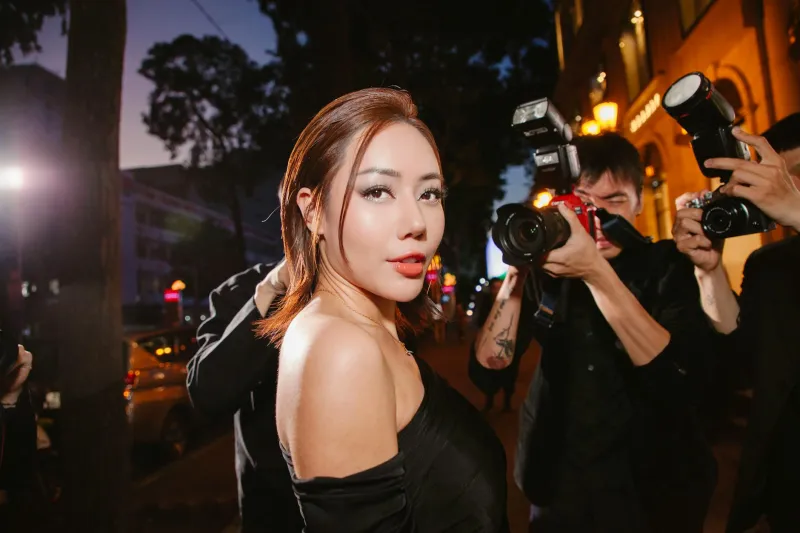
Perhaps nowhere is the new breakup era more visible than in the strategic paparazzi walk. These aren't accidental encounters — they're carefully choreographed photo ops designed to communicate specific narratives. The "I'm thriving" coffee run. The "I've never looked better" gym exit. The "I'm so over it" dinner date with strategically attractive friends.
Every outfit choice becomes a dissertation on personal growth. Suddenly, everyone's discovered blazers and wants the world to know they're a businesswoman now. The "revenge body" isn't just a concept anymore — it's a documented journey complete with workout selfies and green juice testimonials.
The TikTok Therapy Session Phenomenon
TikTok has revolutionized post-breakup processing in ways that would make Dr. Phil weep. Celebrities now use the platform as a real-time therapy session, complete with trending audio clips that perfectly capture their emotional state. "I'm not the same person I was before" lip-syncs have replaced heartfelt ballads as the primary vehicle for expressing transformation.
The beauty of TikTok's algorithm means these videos find their way to millions of viewers, creating an instant support group of strangers offering validation in the comments. It's group therapy meets performance art, and somehow it's more effective than traditional media for controlling the narrative.
The Exhaustion Factor
Here's the thing about the multi-platform breakup era: it's absolutely exhausting for everyone involved, including the audience. Following someone's healing journey across six different apps requires the dedication of a part-time job. We're tracking Instagram stories, analyzing TikTok captions, decoding Spotify playlists, and cross-referencing paparazzi photos like we're working for the FBI.
Fans report feeling emotionally drained by the constant updates. "I just want to know if she's okay, but I don't need hourly progress reports," one Twitter user complained about a recent high-profile split. The intimacy of social media means we're not just consuming celebrity content — we're being pulled into their emotional processing in real time.
Why We Can't Look Away
Despite the exhaustion, engagement numbers tell a different story. Every cryptic Instagram story gets screenshotted and analyzed. Every "soft launch" of a new relationship generates millions of views. We're simultaneously complaining about the oversharing while refreshing their feeds for updates.
The multi-platform approach taps into something primal about human nature — our desire to witness authentic emotion and transformation. When celebrities share their healing journey in real time, it creates a parasocial intimacy that traditional media never achieved. We're not just fans anymore; we're witnesses to their growth.
The New Rules of Engagement
The most successful practitioners of the breakup era understand that each platform serves a different narrative function. Instagram is for the aspirational content — the "look how amazing my life is" messaging. TikTok is for vulnerability and relatability. Twitter is for cryptic subtweets that keep people guessing. Spotify is for emotional archaeology — letting people dig through your feelings via playlist updates.
The key is maintaining just enough mystery to keep people engaged while sharing enough to control the narrative. It's a delicate balance between transparency and privacy, and the celebrities who master it turn their personal pain into their most powerful career moments.
The breakup album isn't dead — it's just been democratized across every platform where celebrities can control their own story, one post at a time.