The Whisper Network Goes Public
There was a time—not so long ago—when certain actresses' names were spoken in Hollywood boardrooms like incantations that could curse a project. Ashley Judd, Rose McGowan, Mira Sorvino, Katherine Heigl. Women who had committed the cardinal sin of being "difficult," which in Hollywood-speak often meant they'd refused to sleep with producers, called out unsafe working conditions, or simply asked for equal pay without a smile.
 Photo: Mira Sorvino, via pdaspeakers.com
 Photo: Rose McGowan, via www.who2.com
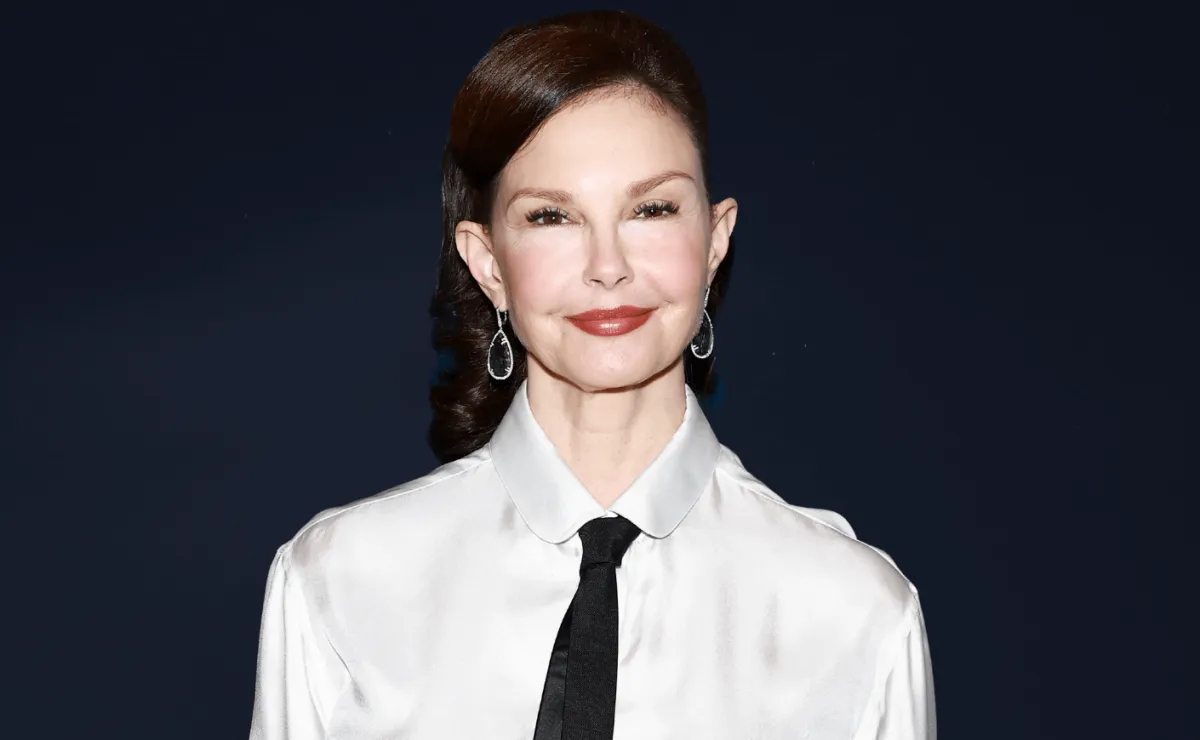 Photo: Ashley Judd, via katiecouric.com
Now, in a plot twist worthy of the best revenge thriller, these same women are experiencing something of a renaissance. Judd just wrapped a starring role in a major streaming series. McGowan is attached to direct her first feature film. Sorvino has been cast in three high-profile projects this year alone. The question isn't whether they're back—it's whether Hollywood has actually changed, or if the industry has simply found a more palatable way to package the same old power dynamics.
The Price of Speaking Truth to Power
To understand the magnitude of this comeback, you have to appreciate how thoroughly these women were erased from the industry in the first place. Ashley Judd, once a bankable star who commanded $15 million per film, watched her career evaporate after she rebuffed Harvey Weinstein's advances in hotel rooms throughout the late '90s. The math was simple: cross Weinstein, lose access to the prestige projects that kept A-listers relevant.
Mira Sorvino's trajectory tells a similar story. After winning an Oscar for "Mighty Aphrodite" in 1995, she should have been Hollywood royalty. Instead, her refusal to play ball with Weinstein led to what she later discovered were deliberate sabotage campaigns. Directors like Peter Jackson have since admitted they were told Sorvino was "a nightmare" to work with—information that conveniently kept her out of major franchises like "Lord of the Rings."
Rose McGowan's blacklisting was perhaps the most brazen. After settling a rape allegation against Weinstein in 1997, she found herself systematically shut out of mainstream Hollywood. When she did speak publicly about assault and industry corruption, she was labeled "unhinged" and "attention-seeking" by the very machine that had silenced her in the first place.
The #MeToo Reckoning (Sort Of)
The 2017 explosion of #MeToo allegations created an interesting paradox for Hollywood. Suddenly, the women who had been dismissed as "crazy" or "difficult" were revealed to be the canaries in the coal mine—early warning systems that the industry had chosen to ignore rather than address the toxic environment they were signaling.
This created a PR problem of epic proportions. How do you continue to exclude women who were proven right about systematic abuse without looking like you're still part of the problem? The answer, it seems, was to slowly, quietly begin offering them work again—but with a twist.
Many of these comeback roles come with built-in narratives of redemption and resilience. Judd's recent streaming series cast her as a woman overcoming trauma. McGowan's directorial debut centers on female empowerment. It's almost as if Hollywood has figured out how to monetize their pain while still controlling the narrative.
The Katherine Heigl Exception
Perhaps the most telling case study is Katherine Heigl, whose "difficult" reputation stemmed not from refusing sexual advances, but from the far more mundane crime of criticizing bad writing. After calling out the sexist storylines on "Grey's Anatomy" and dismissing her rom-com "Knocked Up" as "a little sexist," Heigl found herself persona non grata in both television and film.
Her recent return to television with "Firefly Lane" represents a fascinating rehabilitation. The industry messaging around her comeback has been carefully crafted: she's "matured," she's "learned to pick her battles," she's become more "collaborative." The subtext is clear—she's learned to shut up and smile, even when the material is questionable.
The New Rules of Engagement
What's emerging is a Hollywood that's learned to be more sophisticated about its gatekeeping. The old model of overt blacklisting was too obvious, too legally vulnerable. The new approach involves careful image rehabilitation, strategic casting in "prestige" projects that signal industry approval, and messaging that frames these women's returns as evidence of the industry's growth and forgiveness.
But here's what hasn't changed: the power structures that enabled the blacklisting in the first place. Many of the same executives, agents, and producers who enforced the whisper network campaigns are still in positions of authority. They've simply learned to be more careful about their paper trails.
The Velvet Rope Still Exists
The most telling aspect of these comebacks isn't who's being let back in—it's who's still being kept out. For every Ashley Judd booking a Netflix series, there are dozens of women whose careers never recovered from speaking out. The ones getting second chances tend to be those with enough previous star power to make their exclusion embarrassingly obvious, or those whose stories fit neatly into Hollywood's preferred narrative of redemption and growth.
Meanwhile, women who were less famous when they were blacklisted, or whose accusations were deemed less "palatable," remain in career purgatory. The message is clear: Hollywood will forgive you for being right about abuse and corruption, but only if you were famous enough to make your silence expensive.
What Happens Next
The real test of whether this represents genuine change or sophisticated rebranding will come when the next generation of women speak out about industry problems. Will they face the same systematic exclusion, or has Hollywood truly learned that silencing victims is bad for business?
Early signs aren't particularly encouraging. Recent reports of actresses facing career consequences for speaking out about on-set harassment suggest that while the industry has gotten better at managing the optics of its response to abuse allegations, the underlying mechanisms of retaliation remain largely intact.
The return of Hollywood's "difficult" women isn't necessarily evidence of an industry that's reformed—it might just be proof that Hollywood has gotten better at managing its image while maintaining the same power structures that created the problem in the first place. After all, allowing a few high-profile comeback stories is a small price to pay for maintaining the illusion that the system has fundamentally changed, when what's really happened is that it's simply learned to be more careful about getting caught.